Artopia: Creating Something That Comes from You
“It’s about creating your own world — storytelling, imagination, and creating something that comes from you.”
Artopia isn’t a place — it’s a state of mind. Artopia is a teaching philosophy that allows Teaching Artists to create lesson plans that draw on their personal strengths and interests. It is an ethos that values student-driven outcomes. And it is an ideal learning environment centered on creativity and open-ended explorations of artmaking.
Creative Art Works is offering this vibrant mixed-media program at PS/MS 278 in Inwood and PS 192 in Hamilton Heights.
While Artopia projects might include drawing, painting, sculpture, or printmaking, CAW Senior Program Manager of Teaching and Learning Riki Sabel says Artopia embraces a set of values, such as centering student voice, exploring themes of identity, and developing a sense of place in the world.
You can see this philosophy in practice in a lesson plan presented by CAW Teaching Artist Golnaz Esmaili at PS/MS 278. Golnaz began by choosing an idea she explores in her own art practice — stack sculpture. Golnaz began this unit by introducing students to examples from around the world, including Native American totem poles; Balinese gebogan (towering stacks of fruit and flowers made as offerings as part of Hindu religious ceremonies); and Inuit inukshuks (stone cairns used as navigation markers on the Arctic tundra). These examples served as a starting point to discuss key concepts, introduce vocabulary, and define the scope of the project.
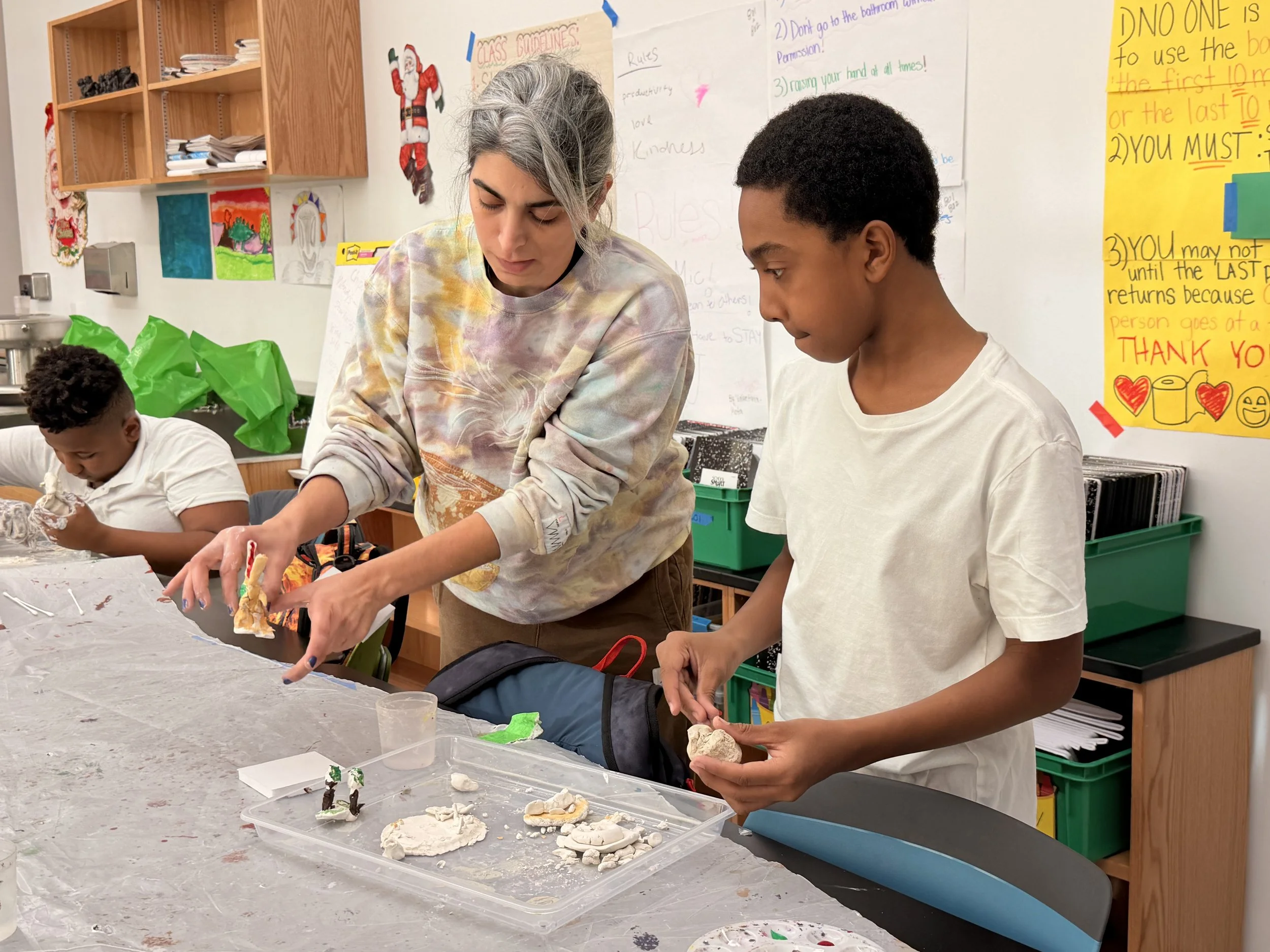
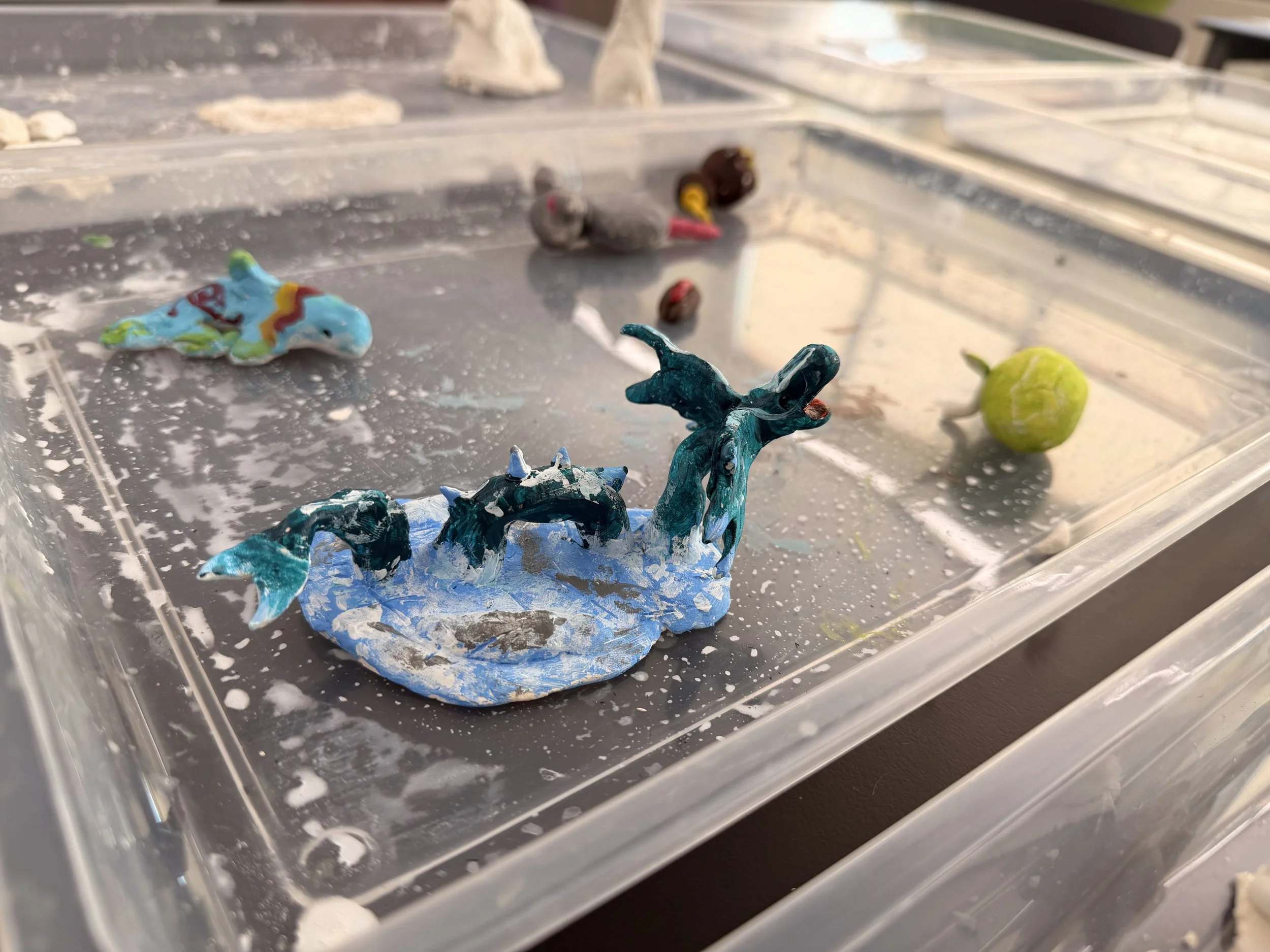
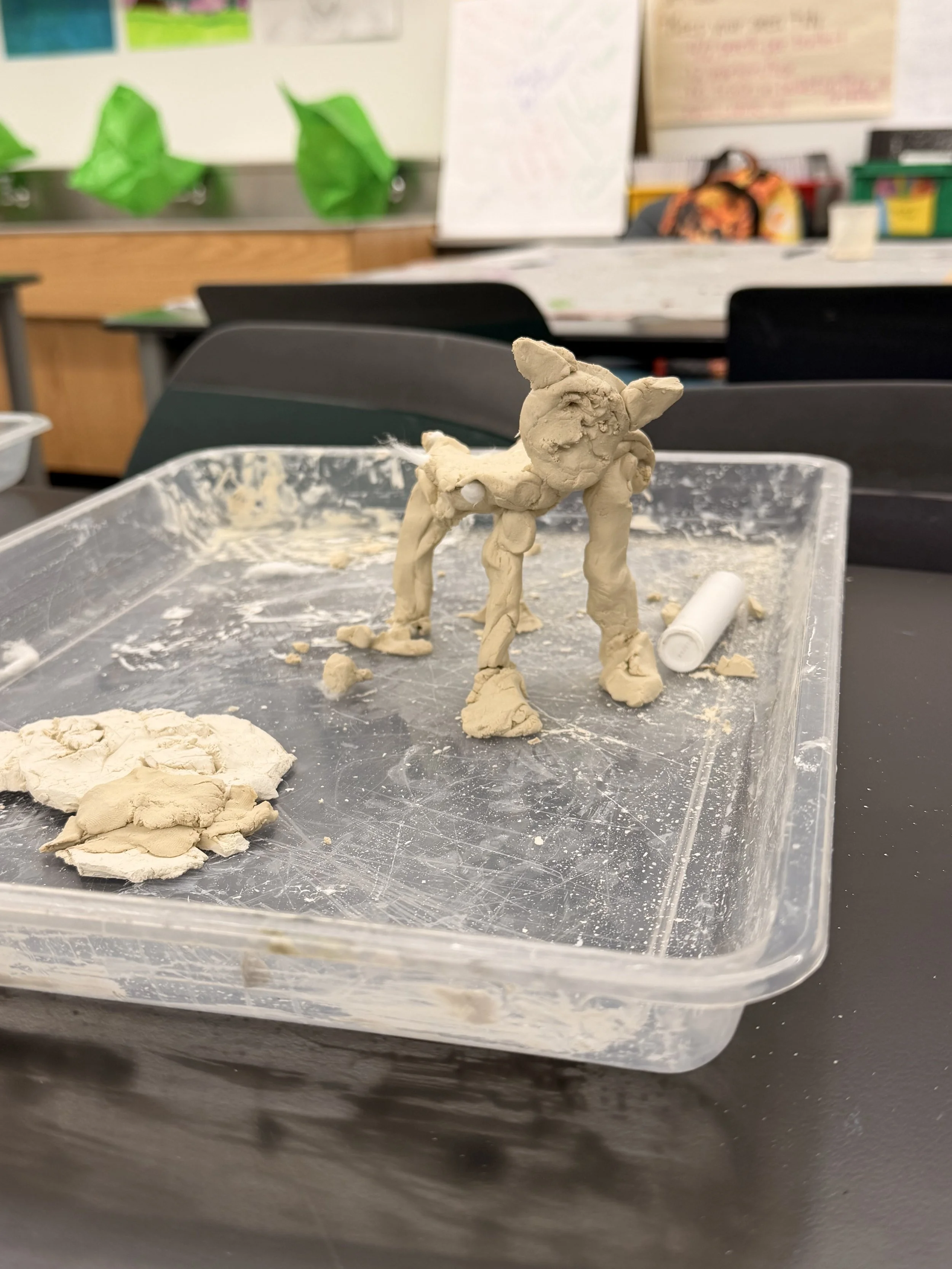
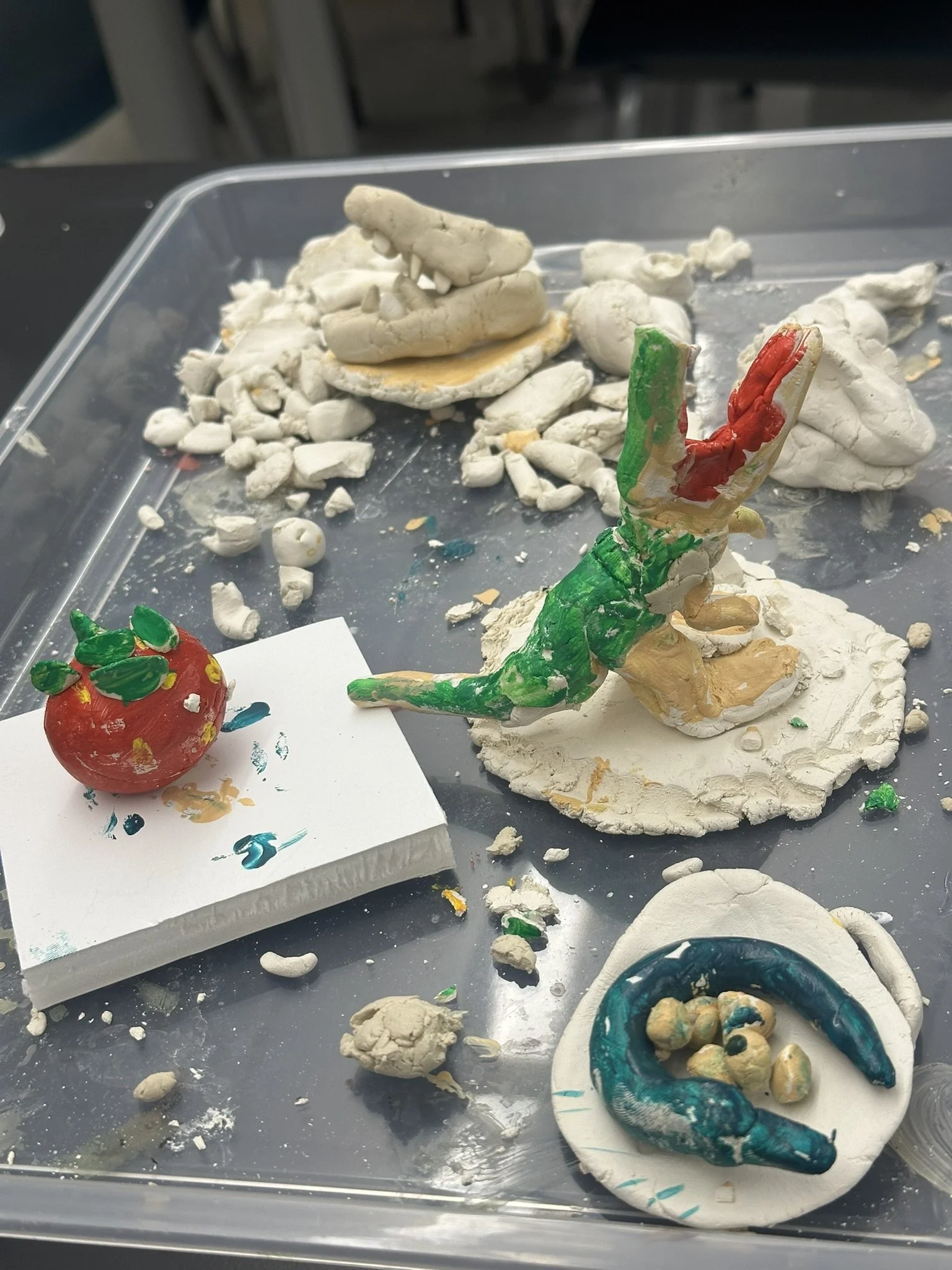
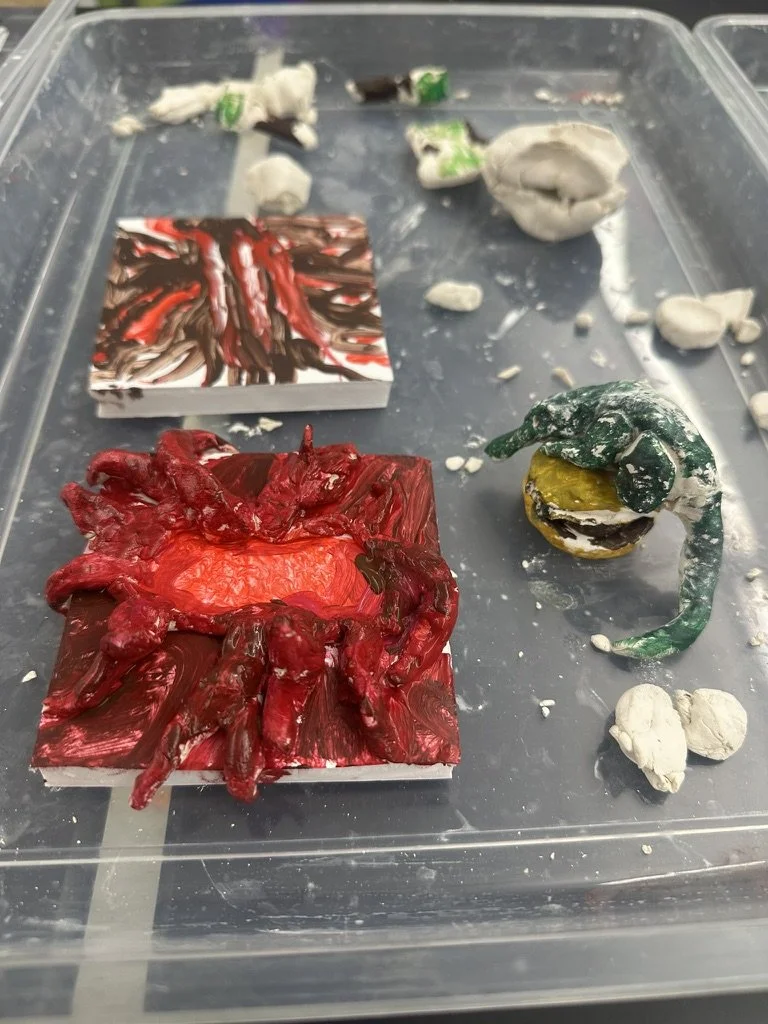
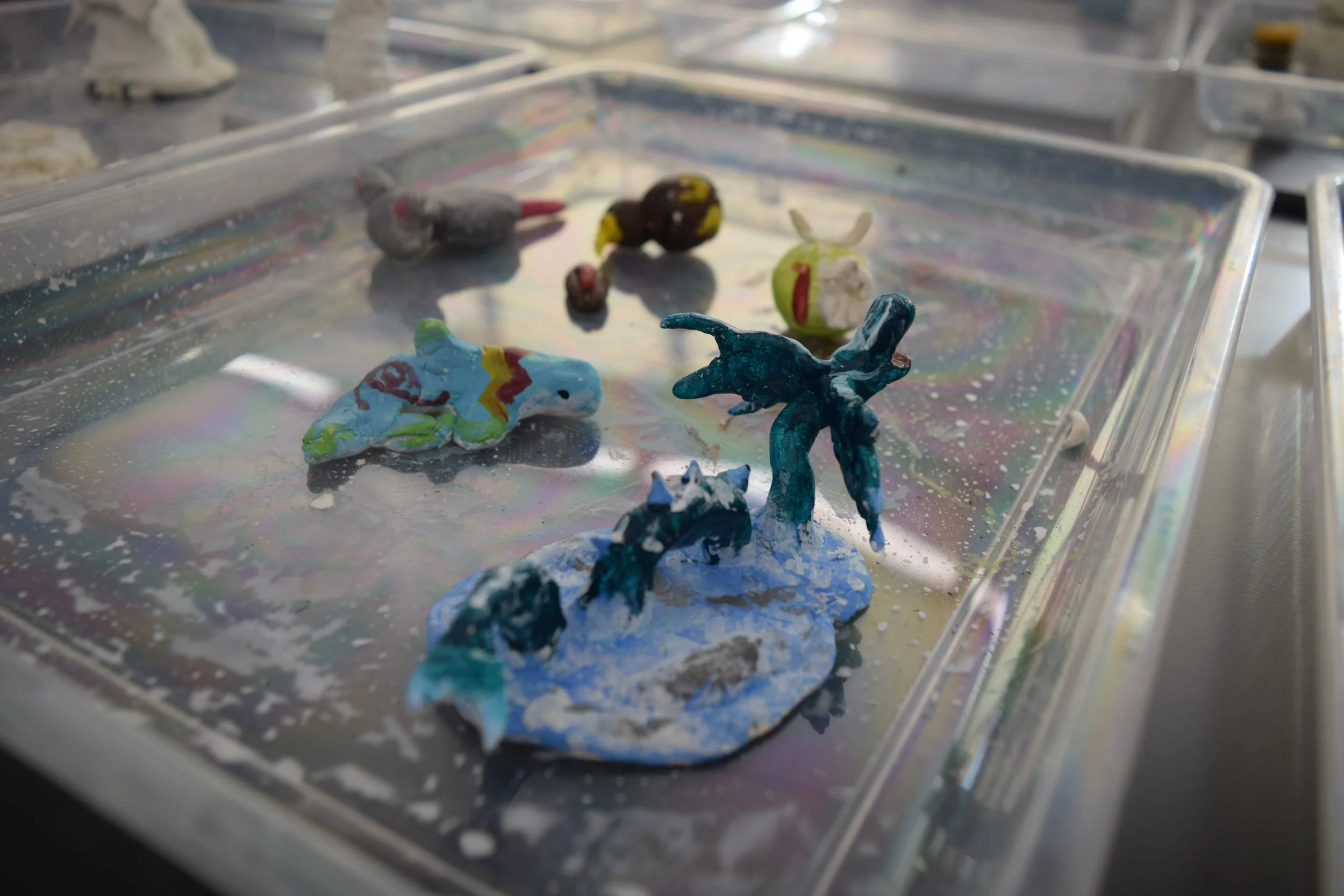
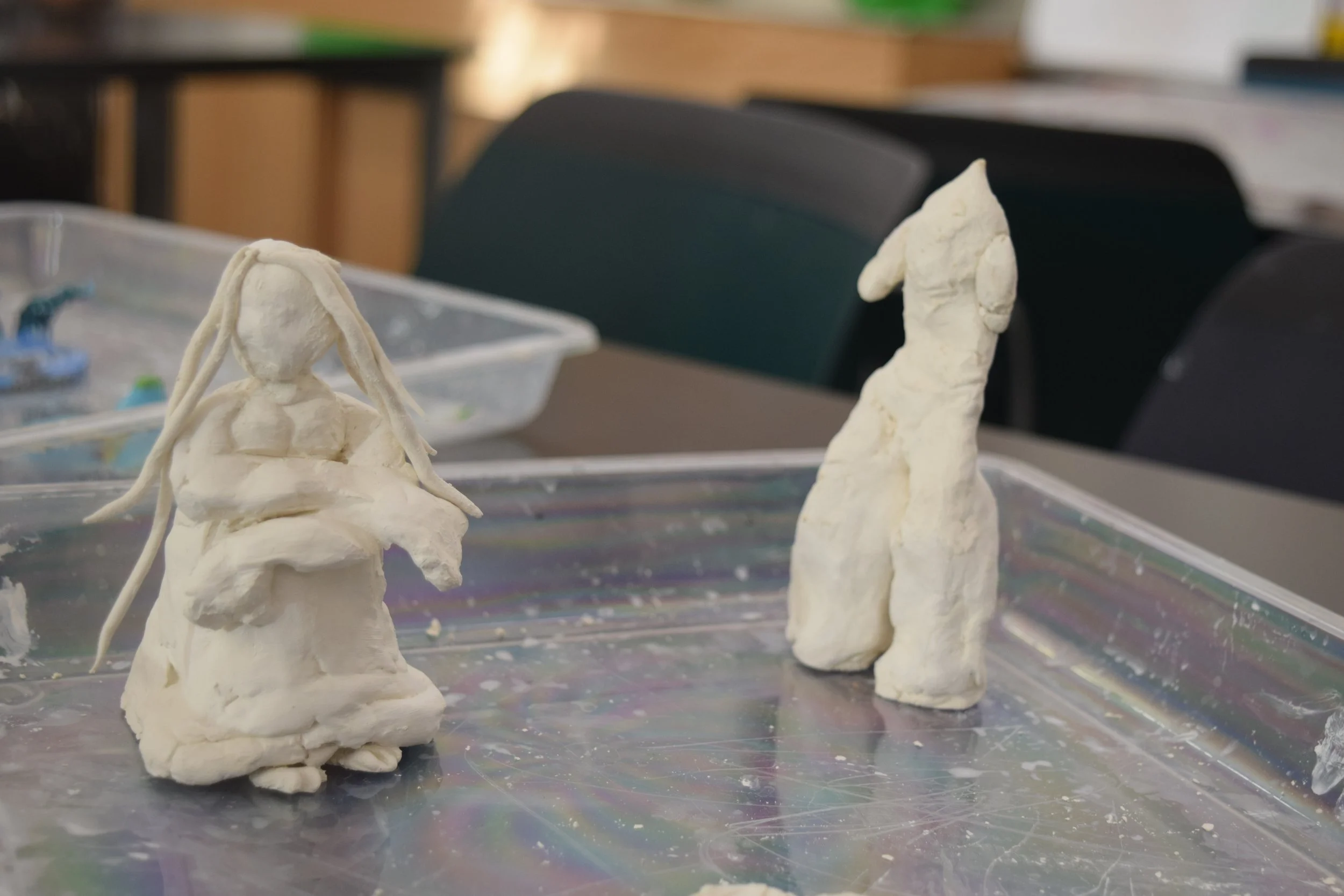
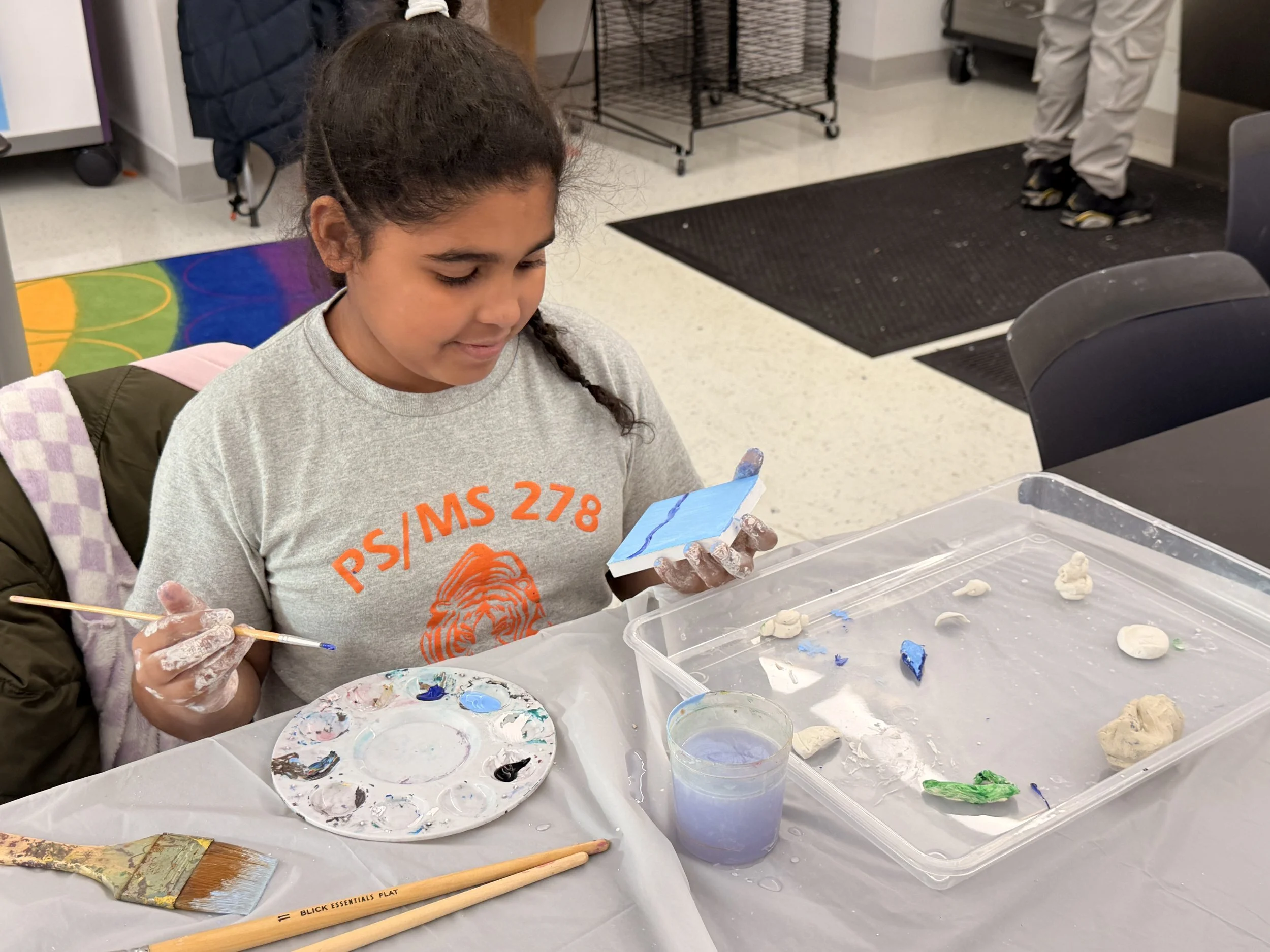
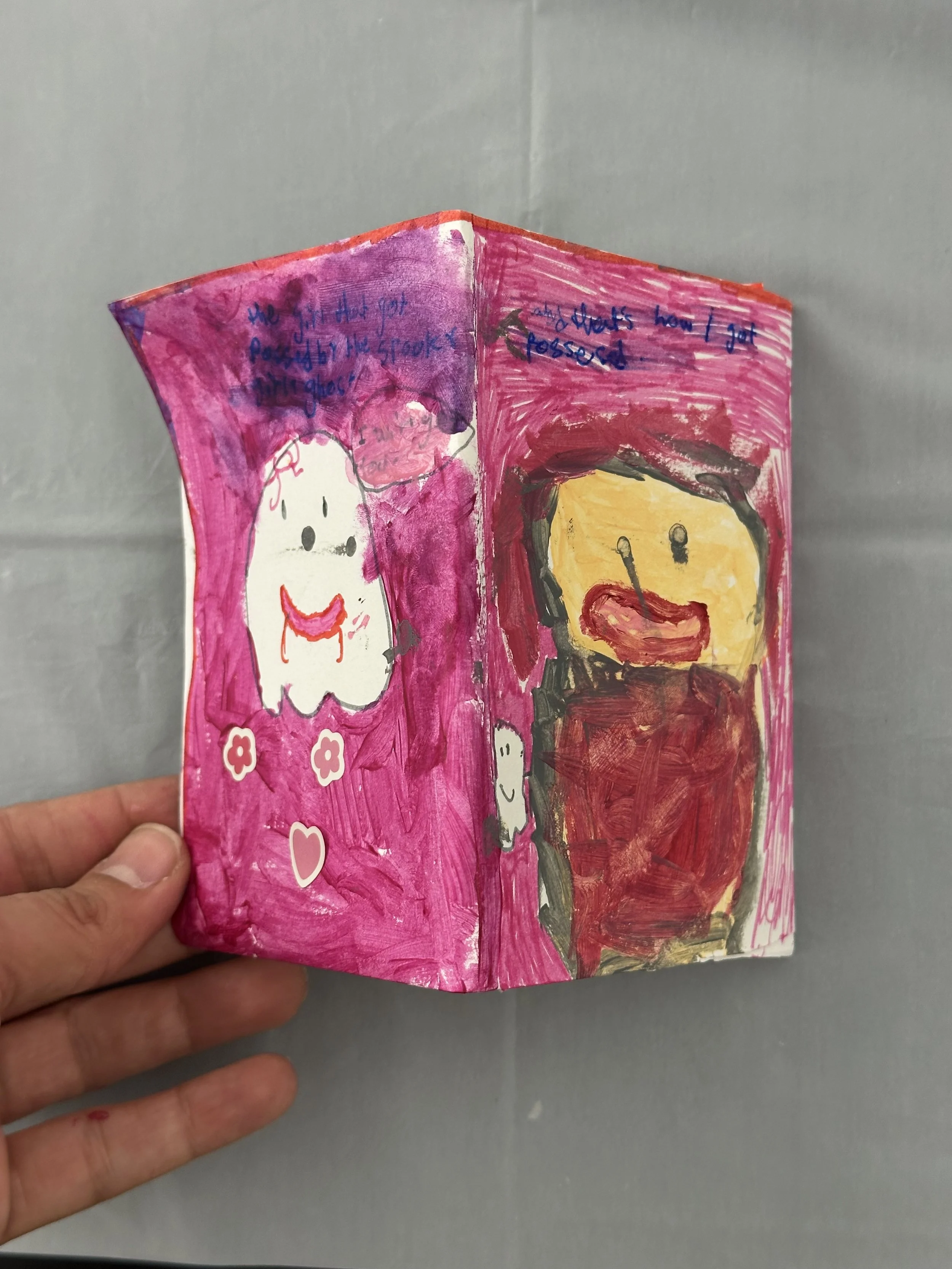
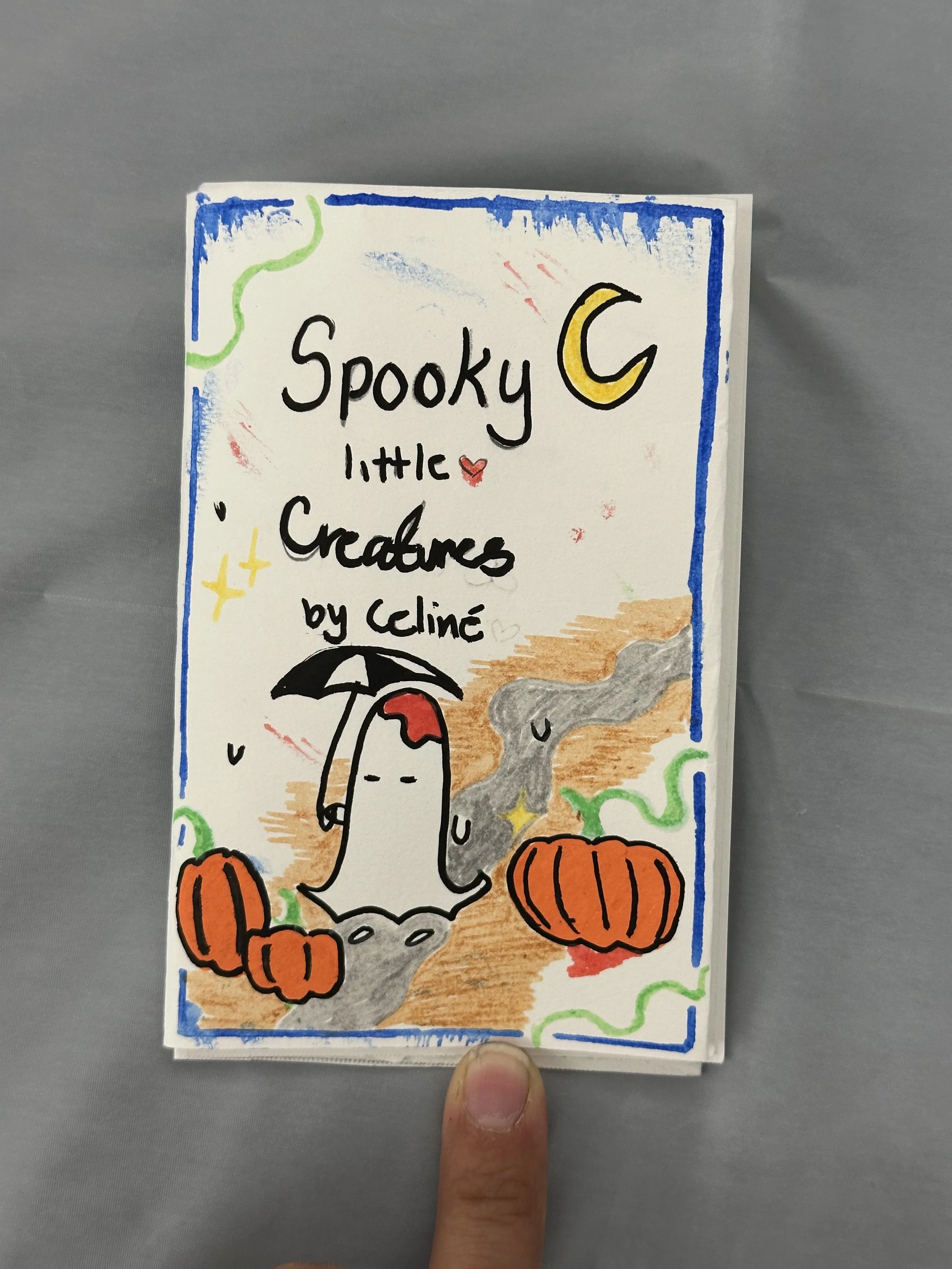
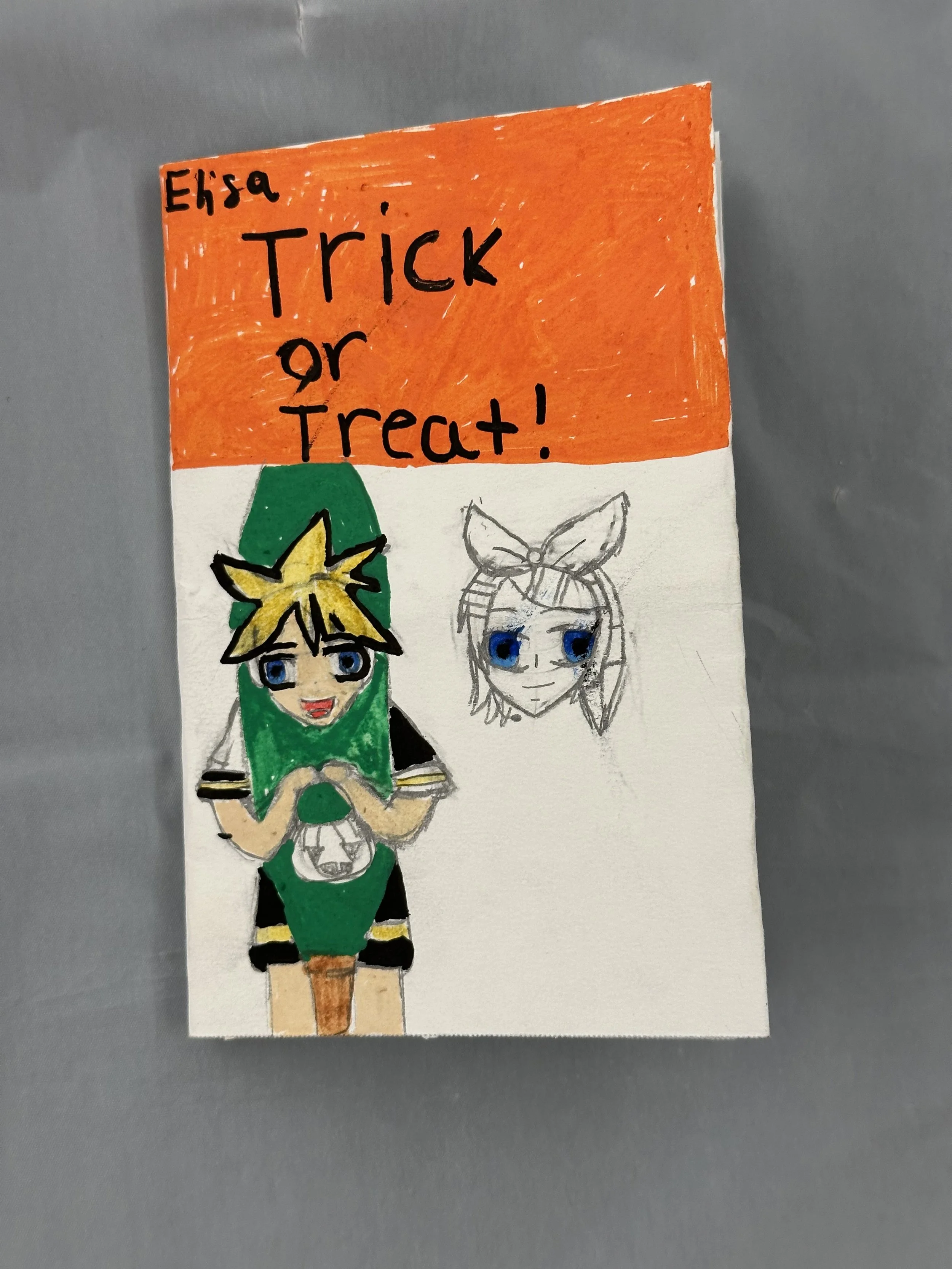
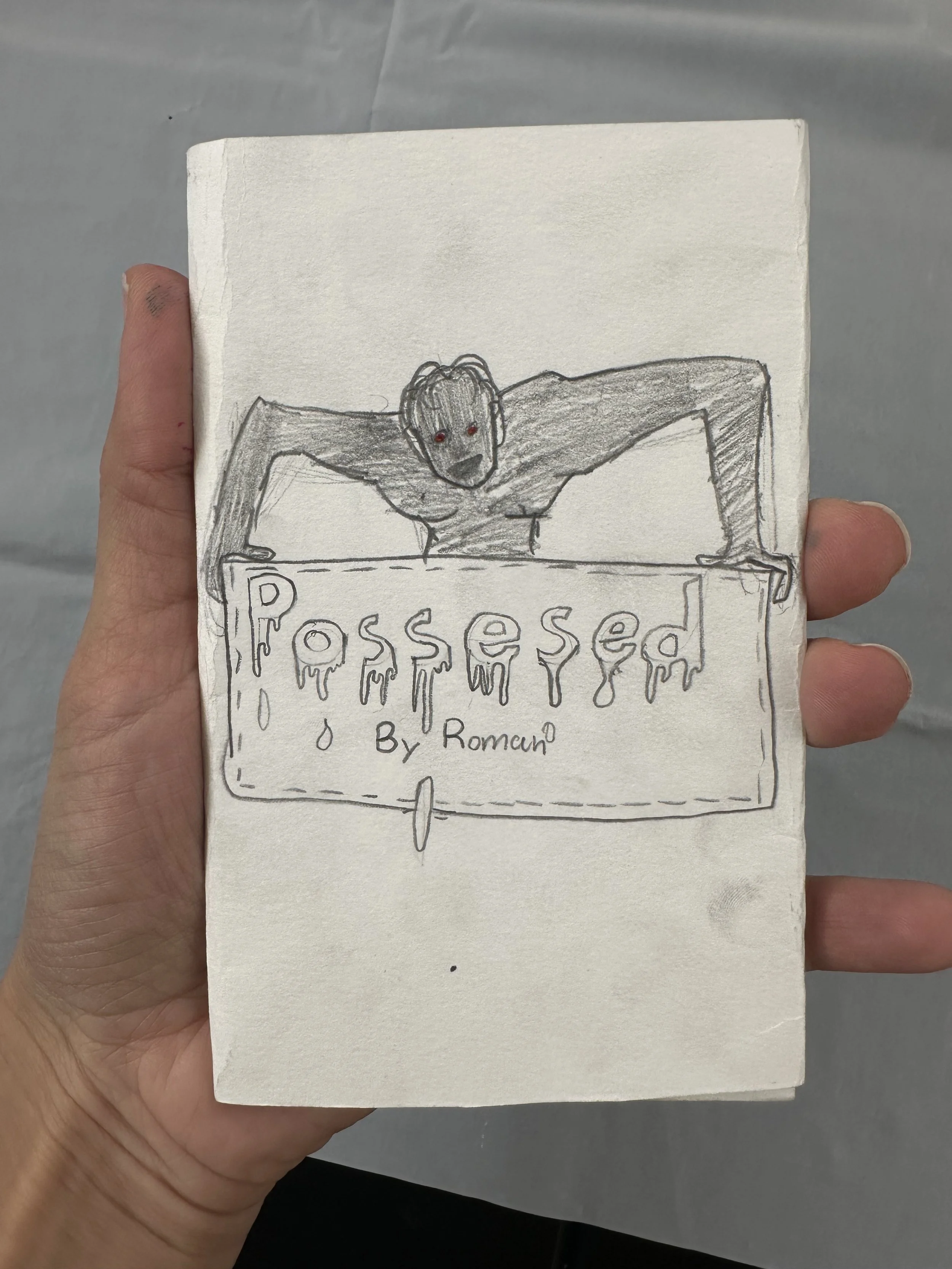
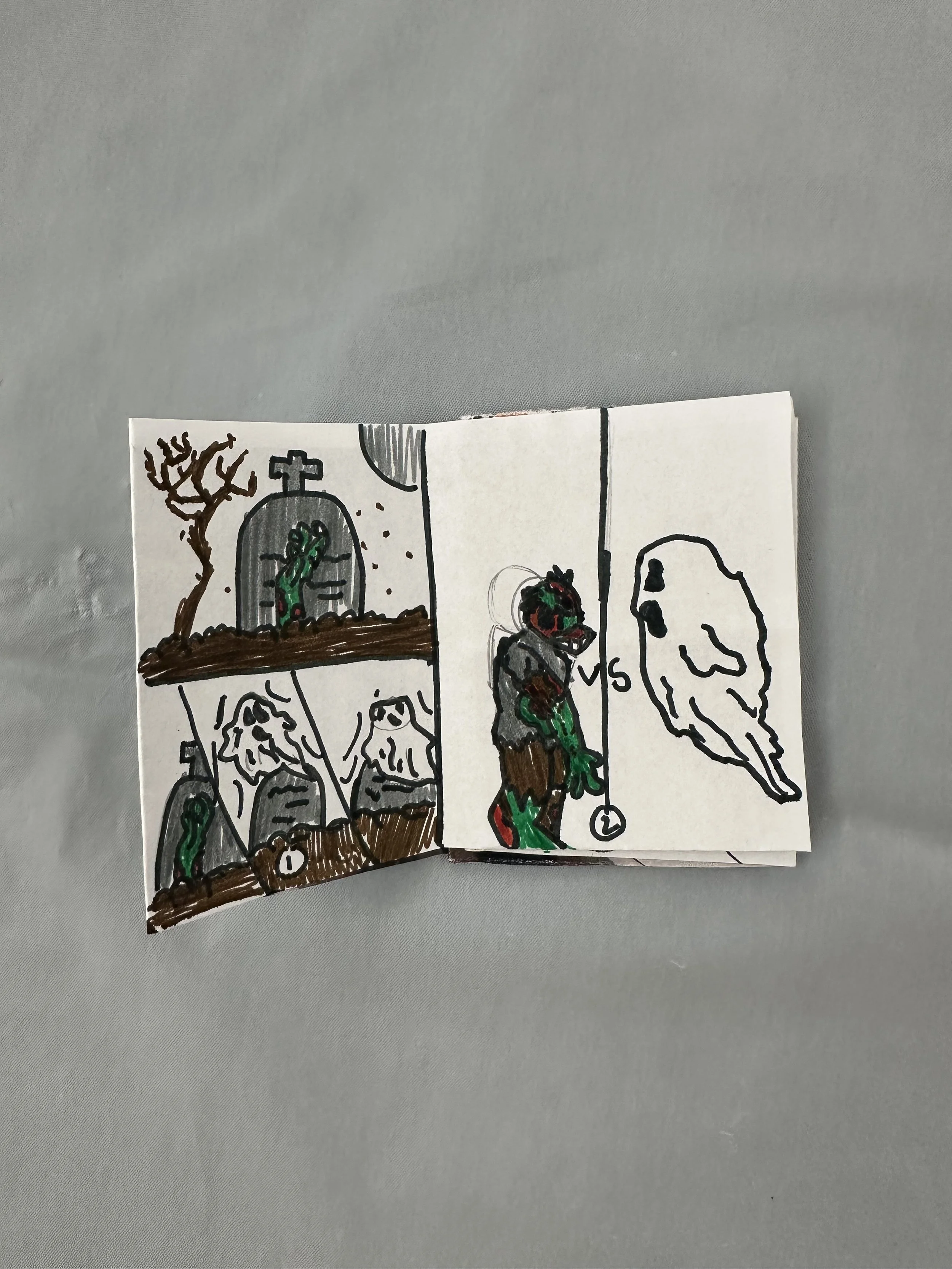
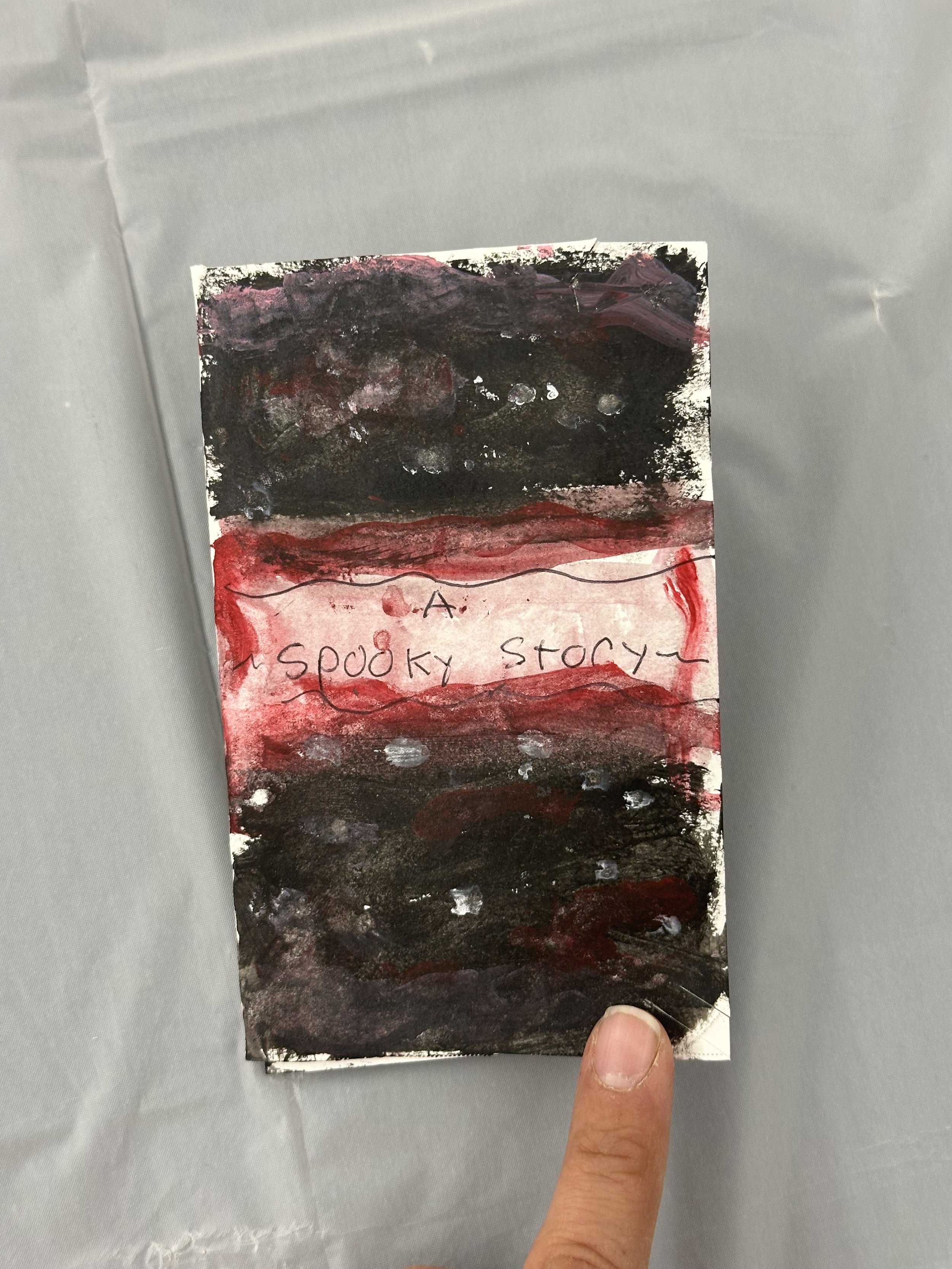
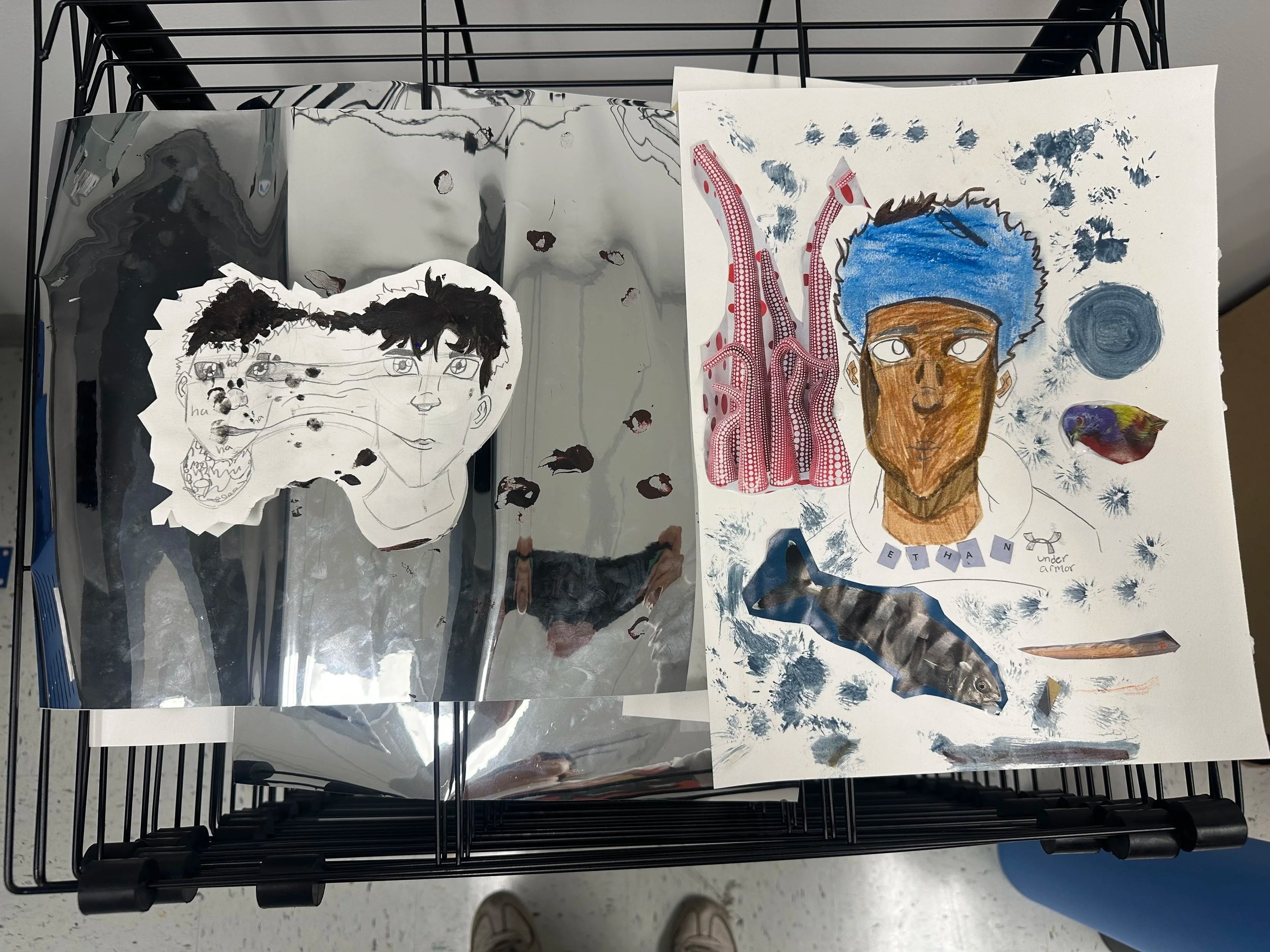
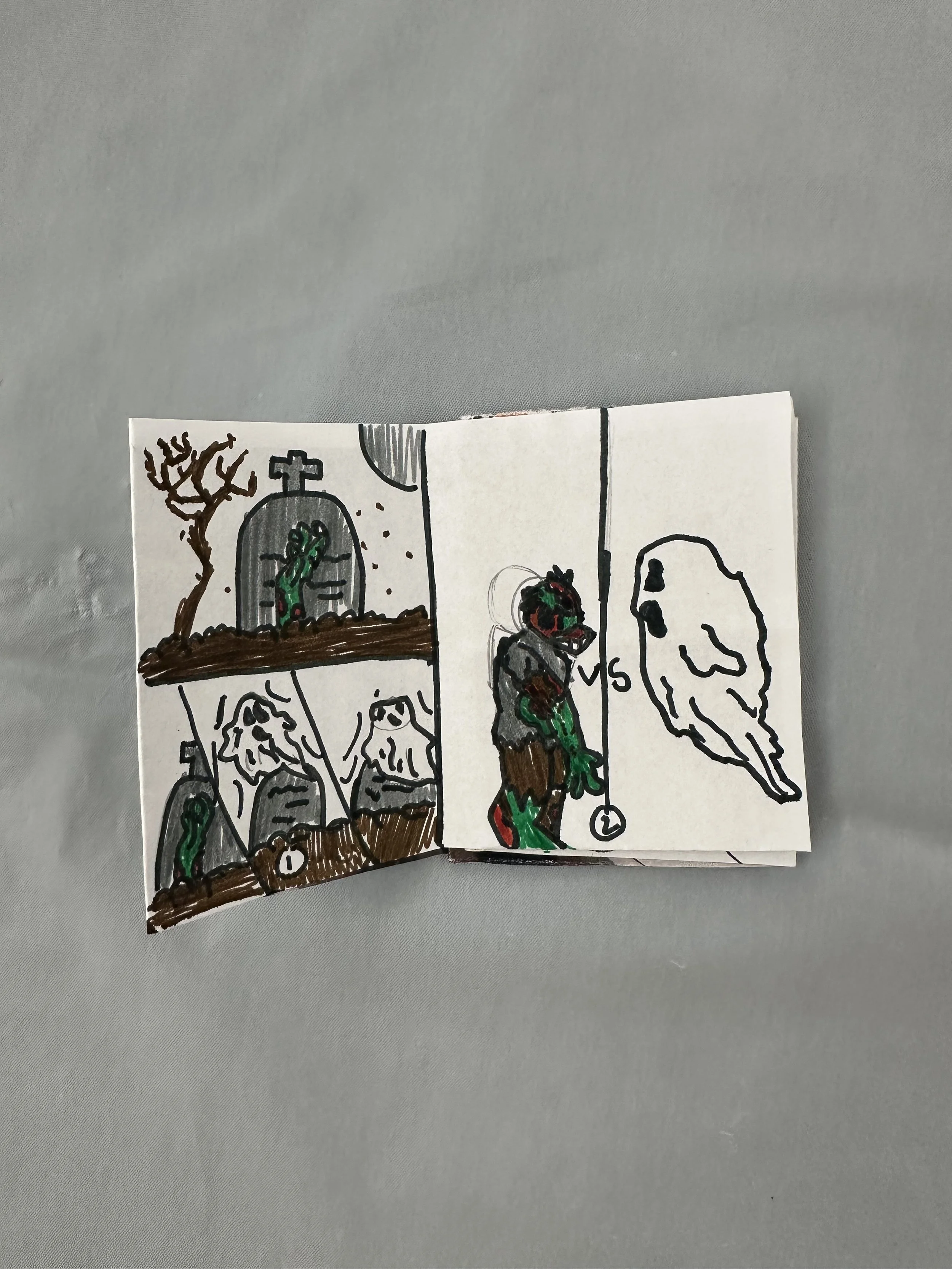
Students then tried their hand at creating their own stack sculpture using clay and paint. Some students, influenced by the animal and human forms featured in totems, chose to create people, monsters, dinosaurs, tigers, and even sea monsters. Others, inspired by the symbolic nature of inukshuks, created more abstract sculptures.
Like all Creative Art Works programs, Artopia is intentionally process-driven rather than product-driven. Students take time to experiment and revise their work rather than rushing to completion. Projects often span multiple sessions if students request more time. This willingness to continue refining shows deep engagement and ownership of their work.
Time for frequent reflection is built into the process. Students learn to talk about art and give and receive feedback without fear. Abstraction and other contemporary art concepts can be complex to grasp for this age group, but in Artopia, these topics are introduced in accessible and organic ways.
Not the end of the world
Art often doesn’t turn out the way we plan. Students are encouraged to embrace "happy accidents” and to look for clever solutions when things don't go your way — as when a figure won’t stand on its own legs. At times like this, it helps to have the encouragement of your classmates. “A lot of times, if one student struggles, whoever's next to them is more than happy to help them figure out what to do,” says Program Manager Donna Manganello. “It's a very supportive environment”.
Setbacks are just part of learning. Golnaz says, “It’s not the end of the world if something breaks. You can fix it and learn new techniques that become part of your process.”
“There’s no ‘bad’ in art. Everything is art.”
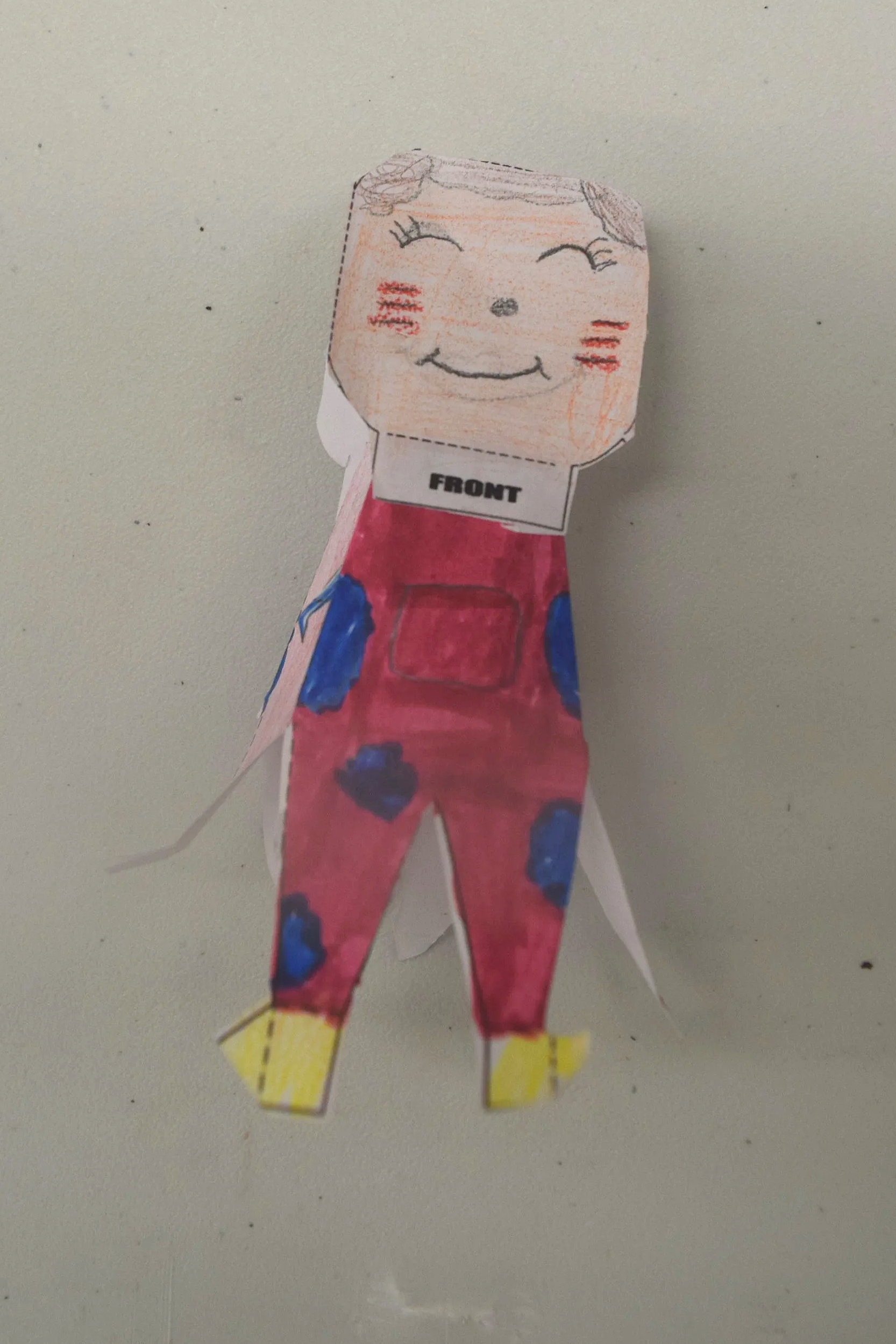
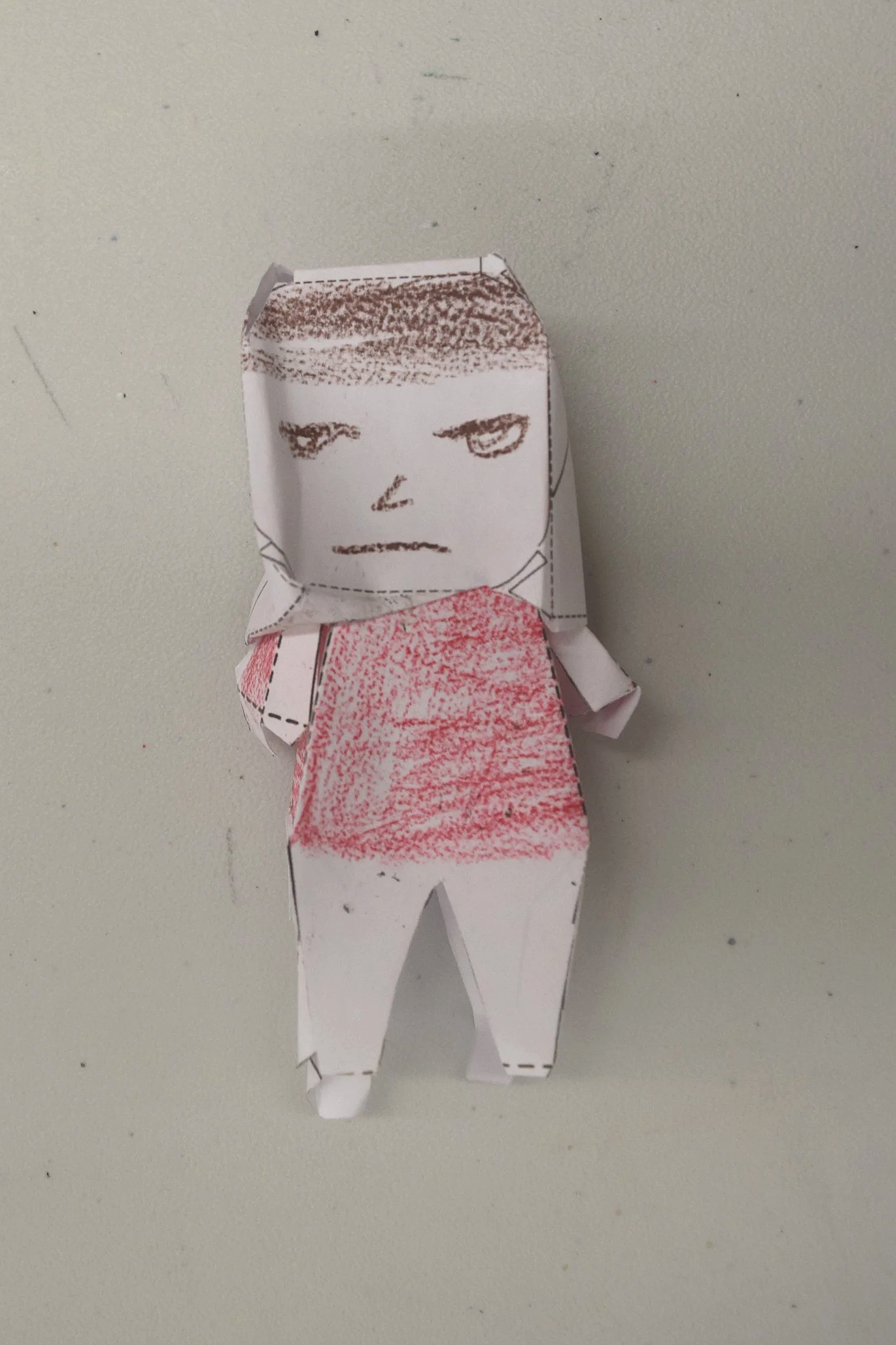
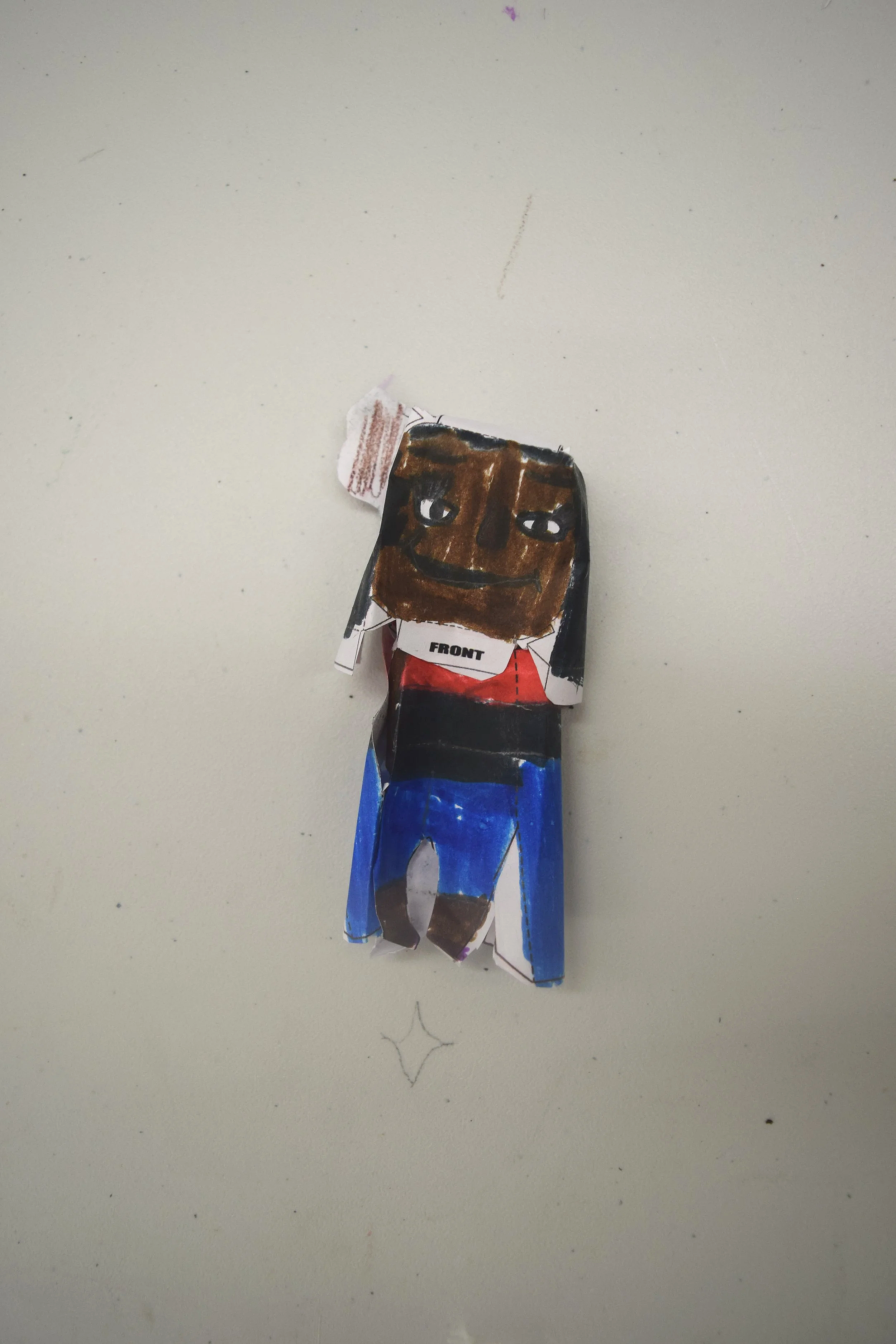
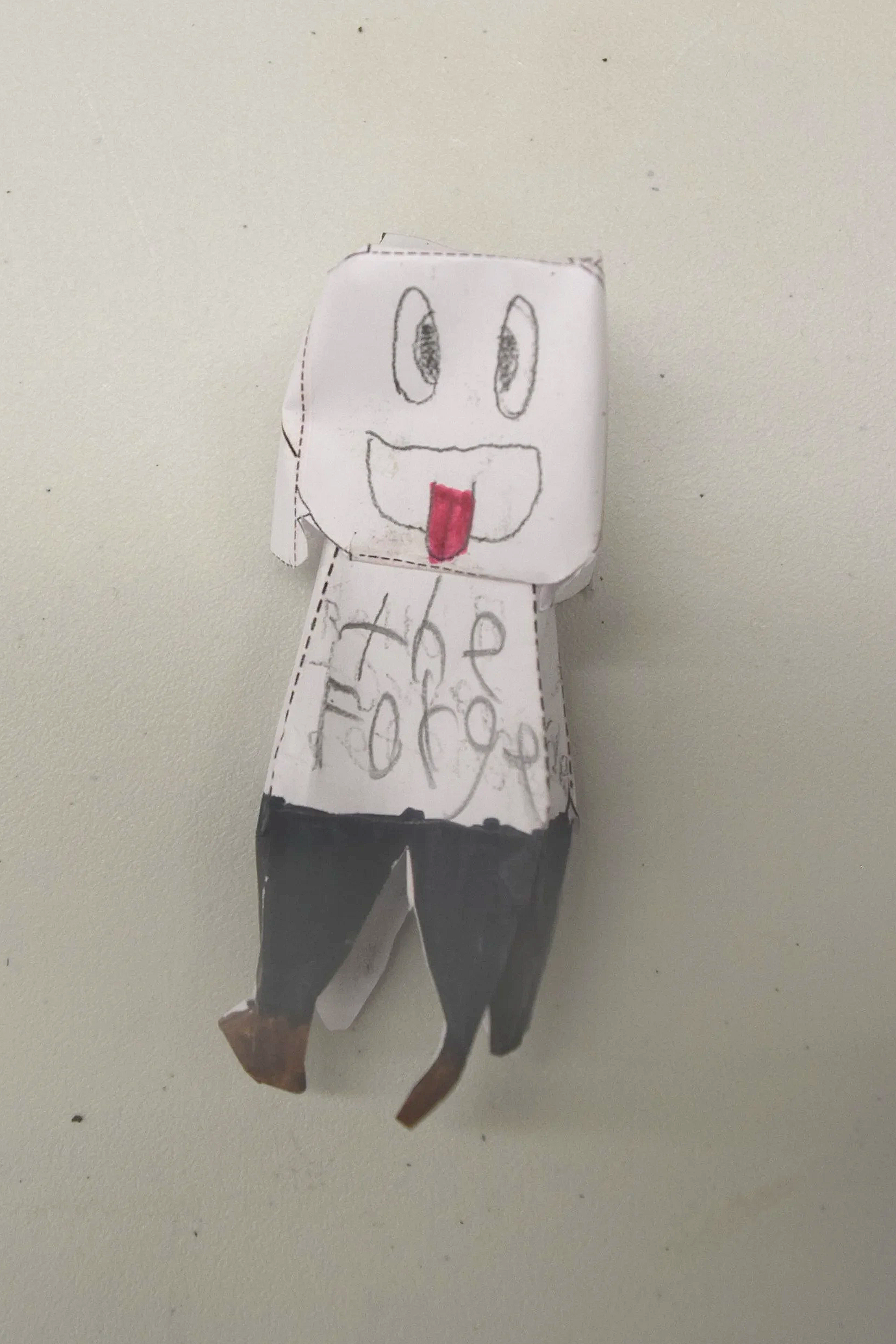
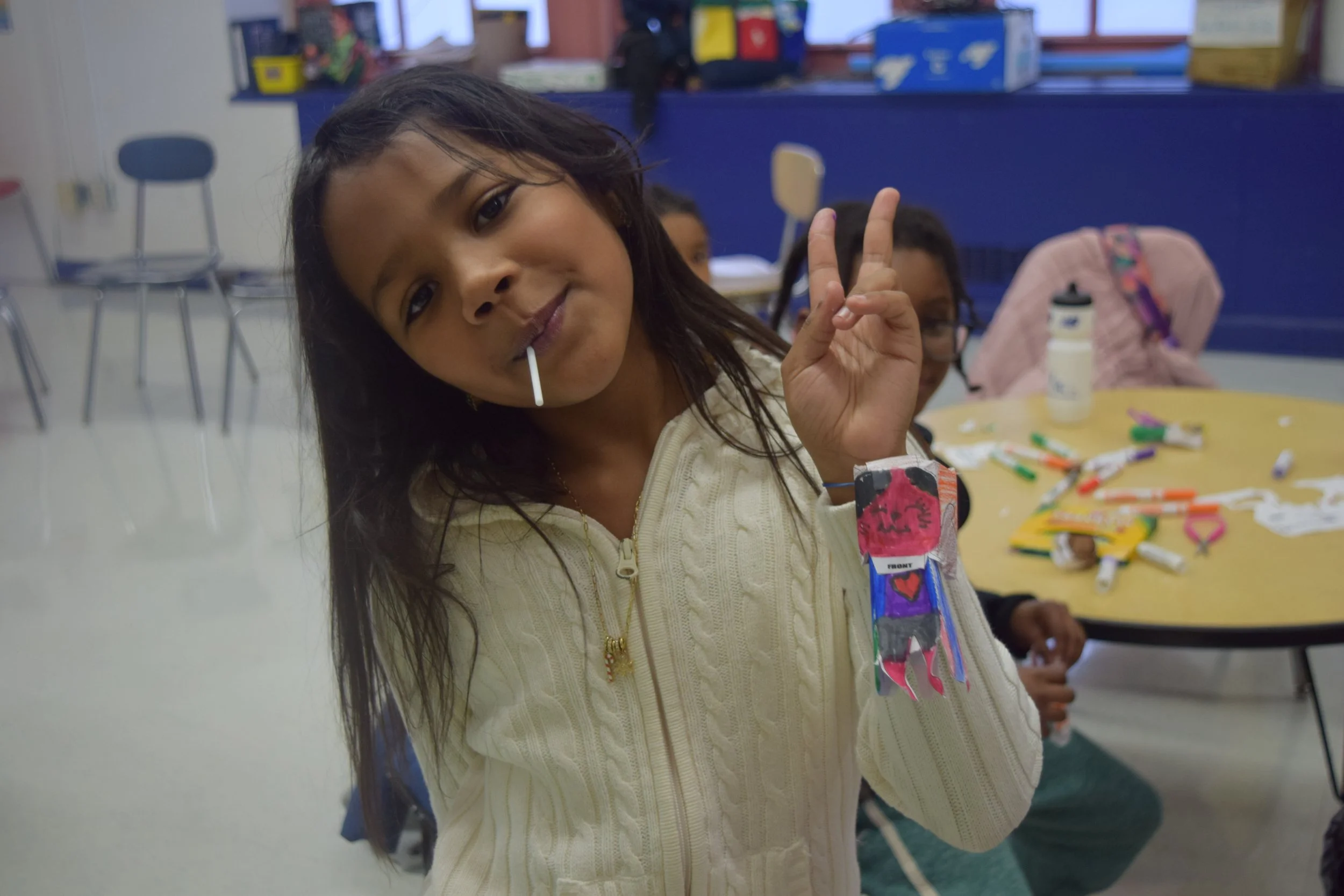
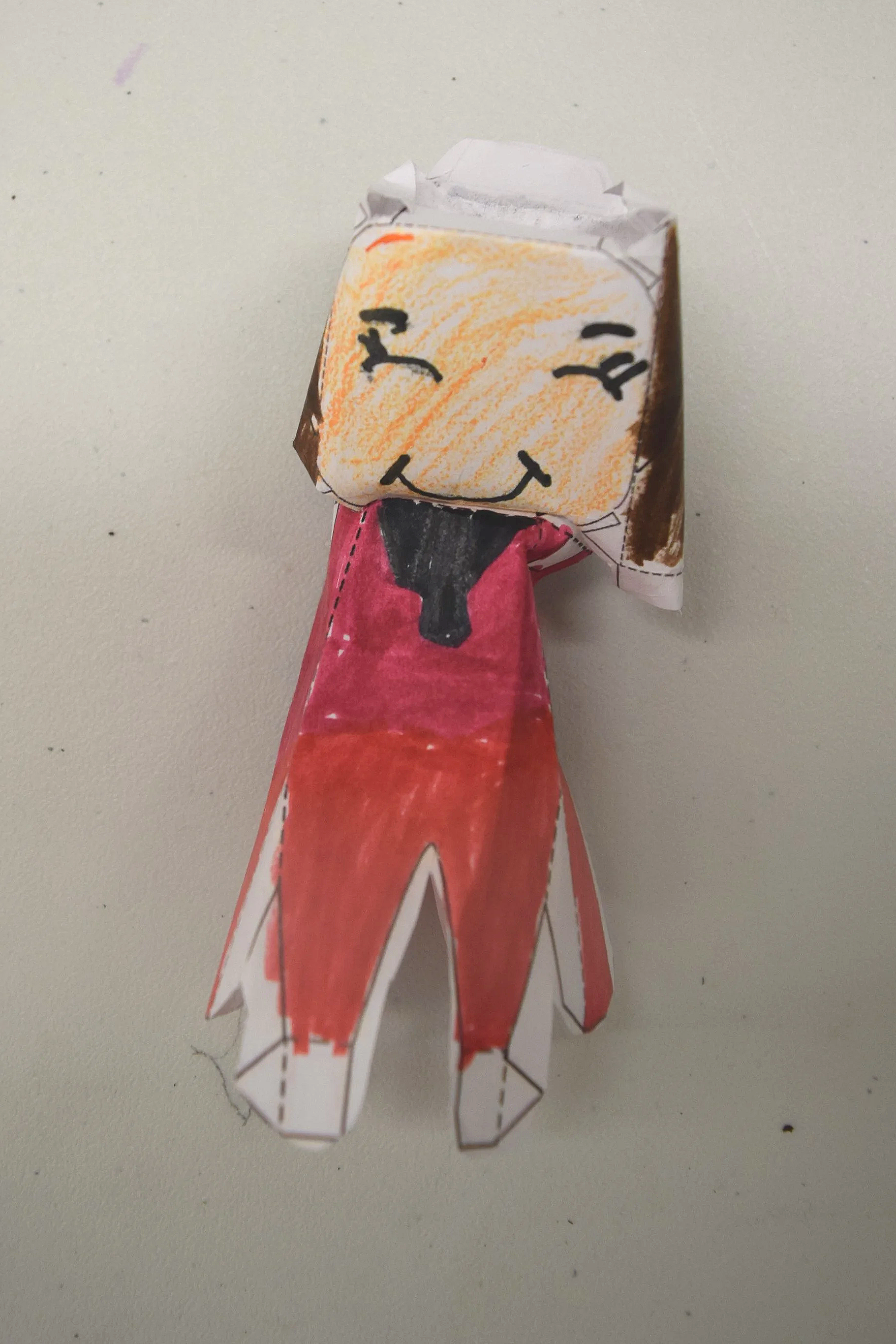
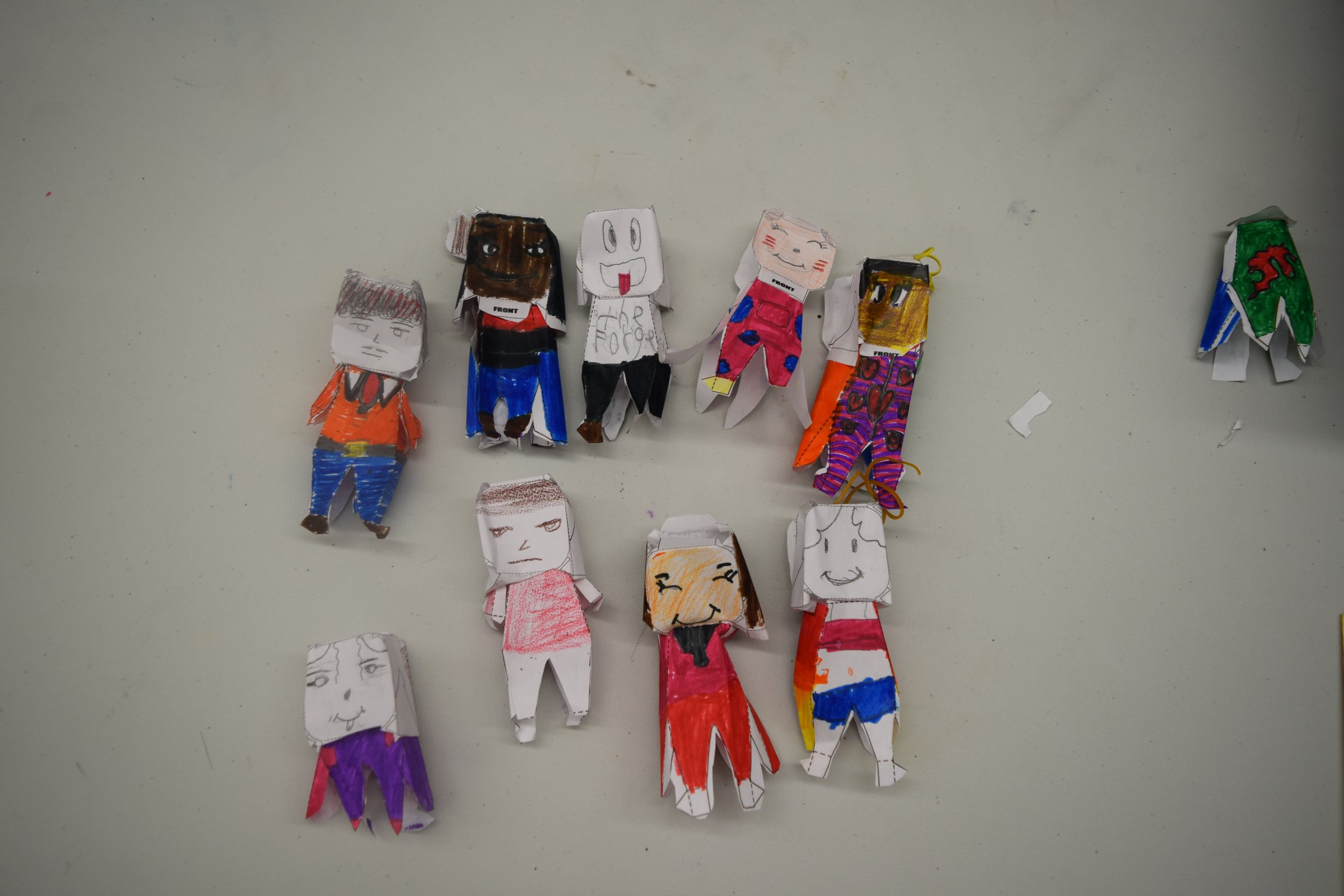
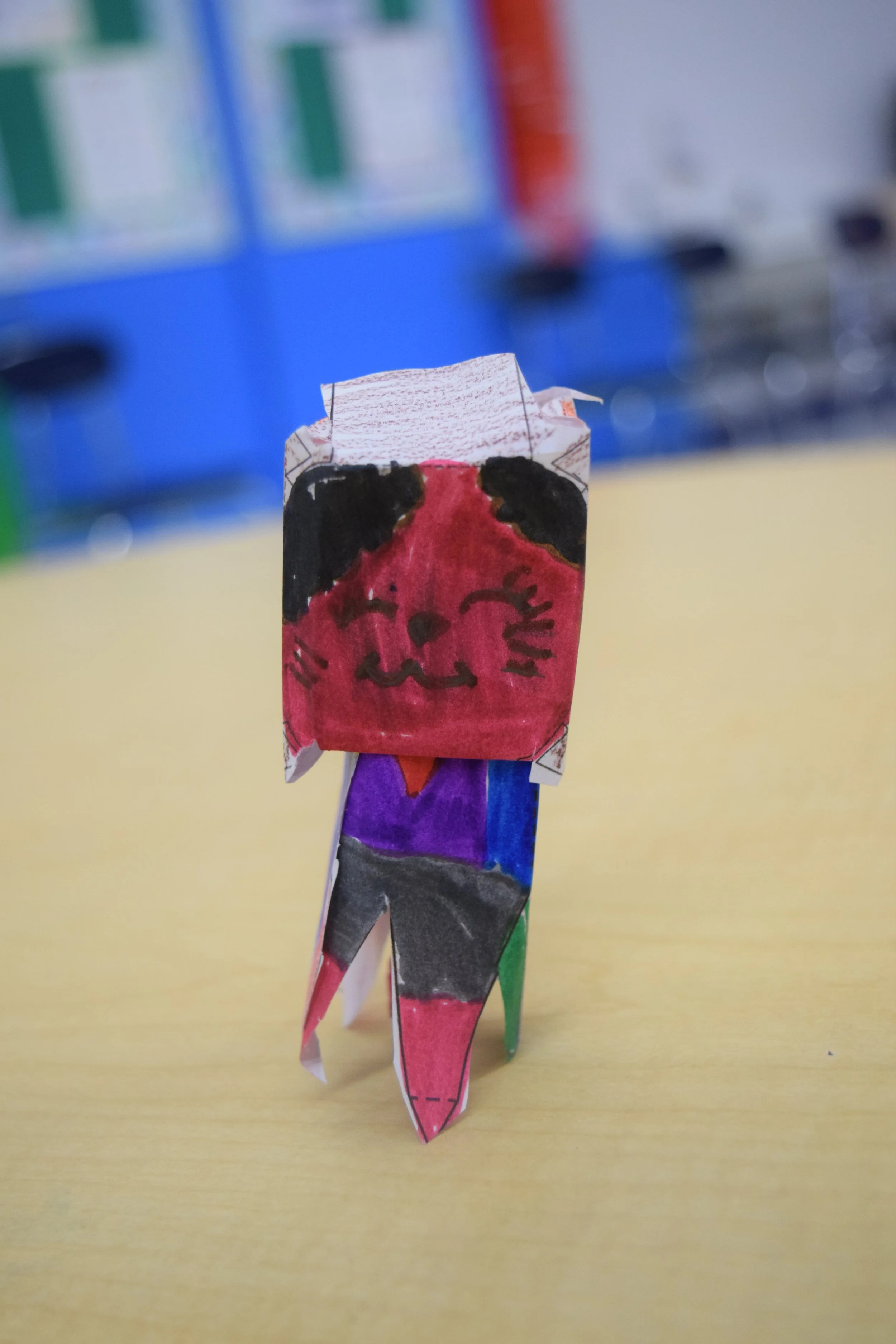
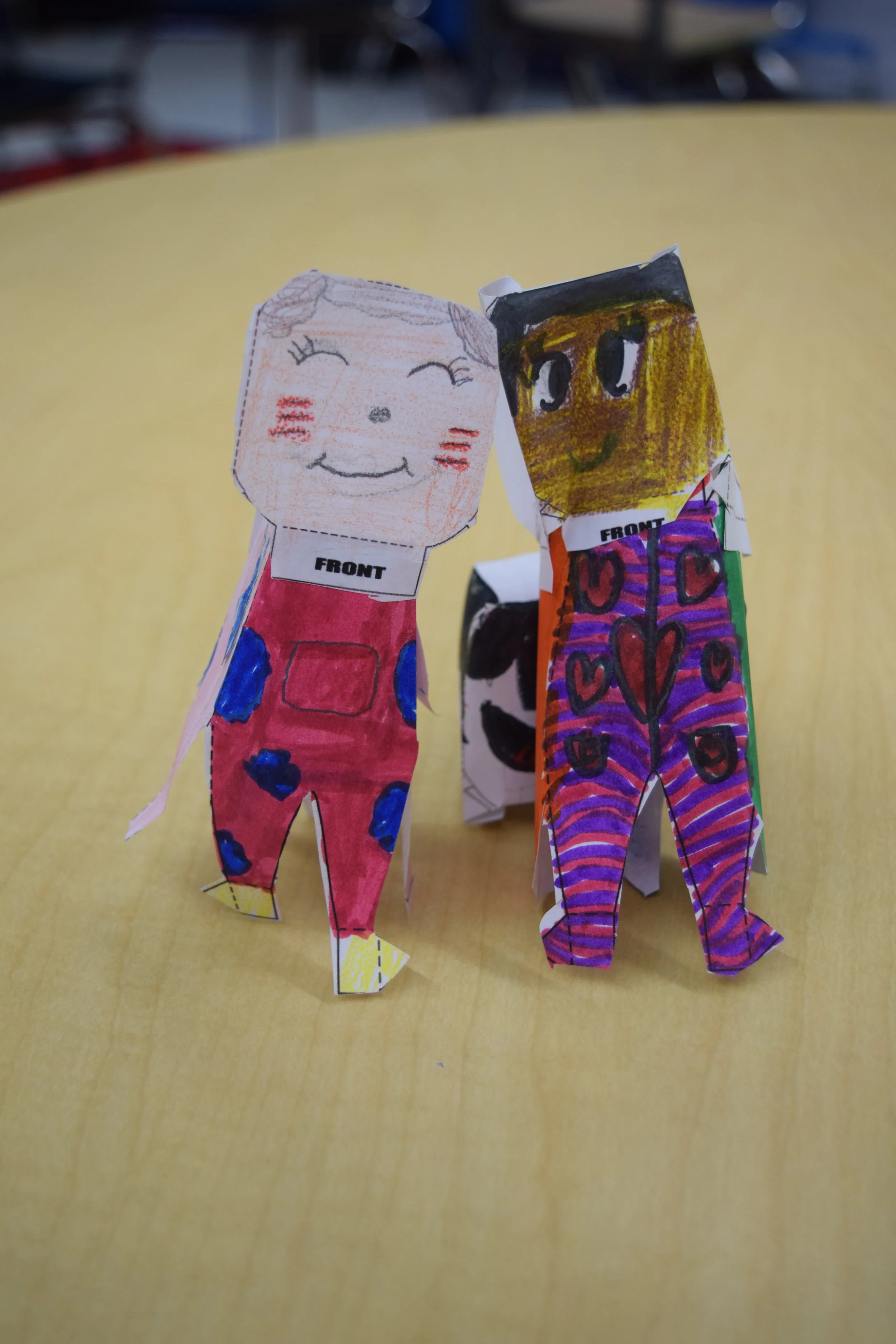
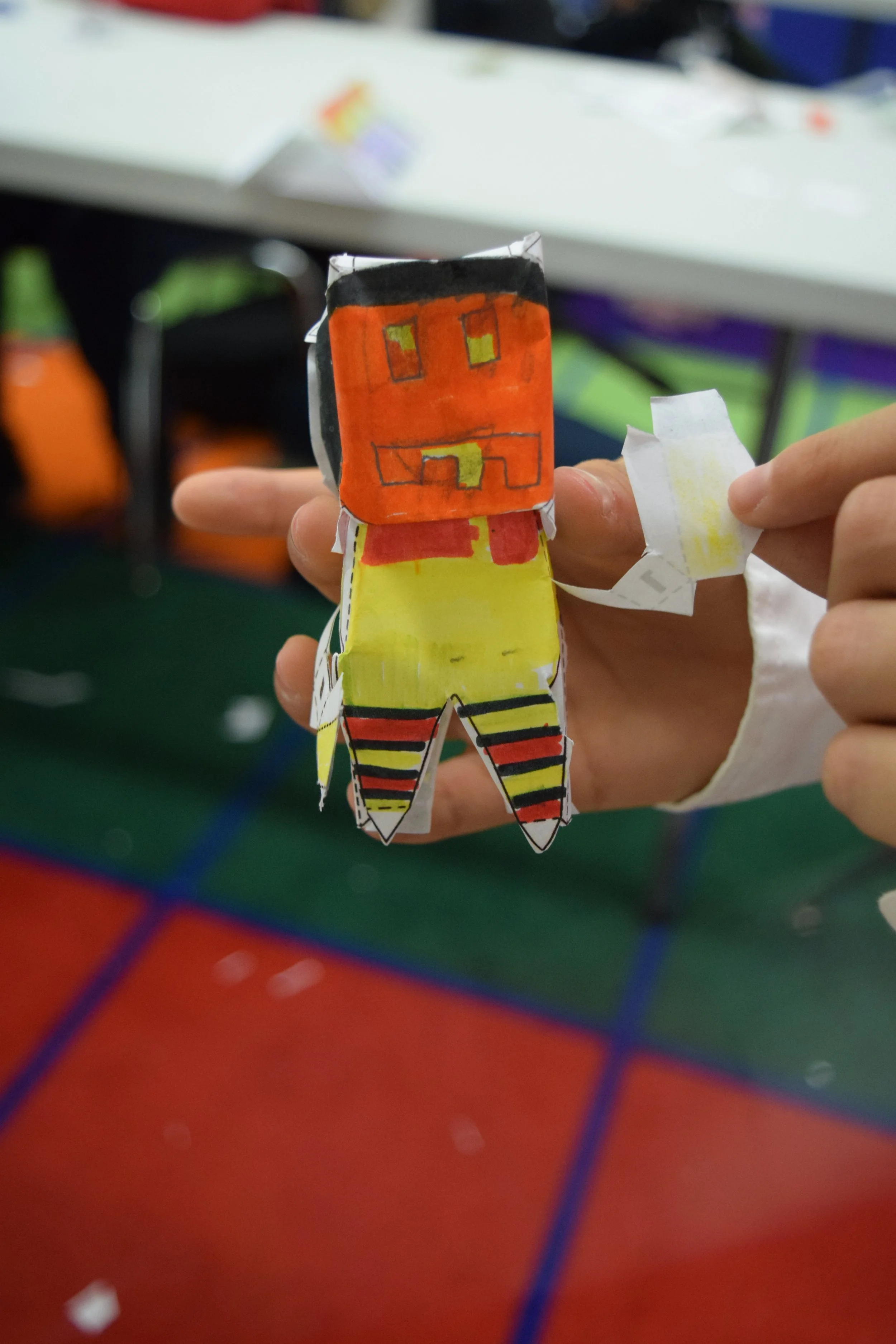
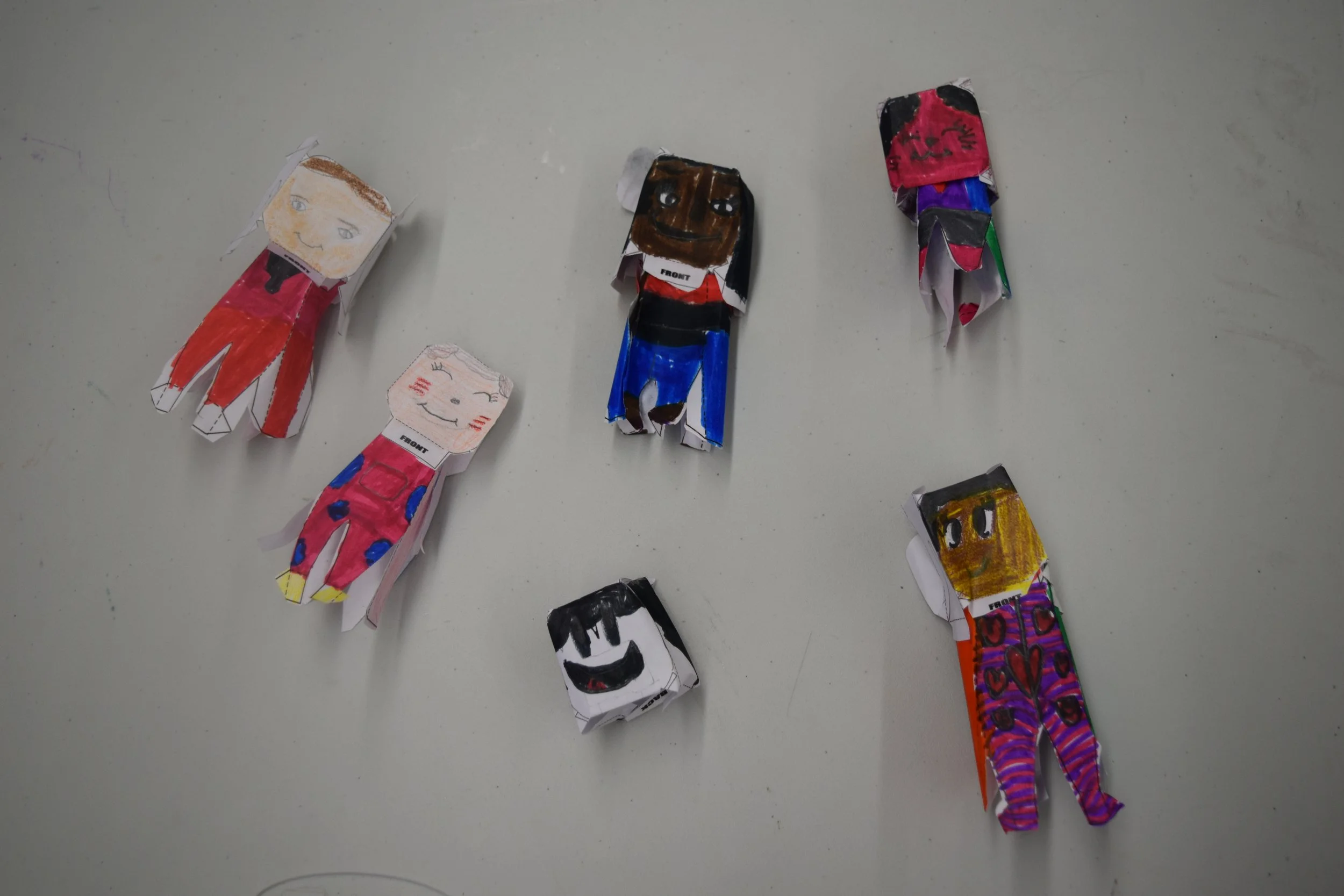
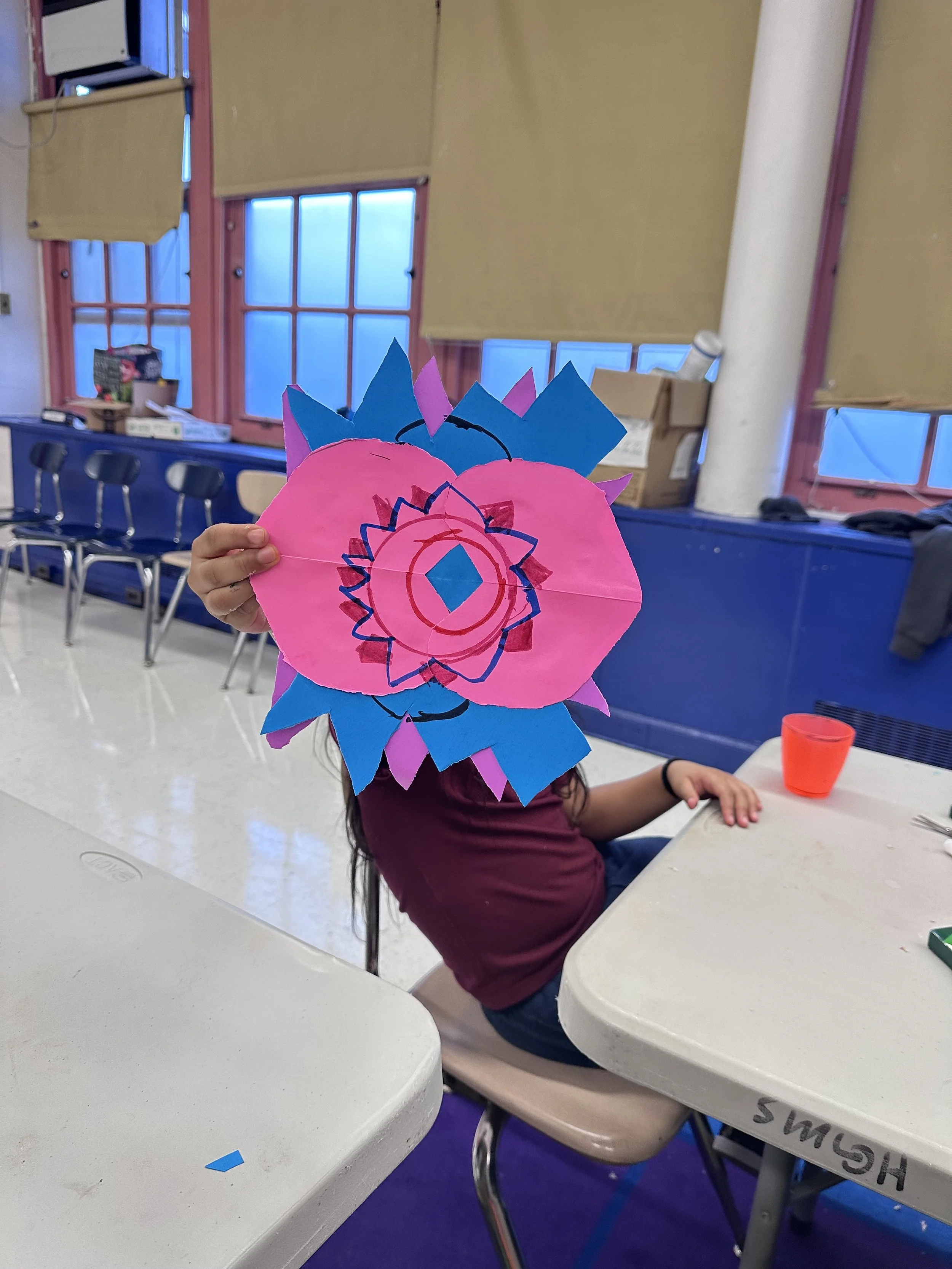
When students in another Artopia program, at PS 192 struggled with an early lesson, Teaching Artist Demetrius Felder recognized the need to focus on projects that help them better develop their fine-motor skills. He revised the curriculum to include sculpture and kinesthetic art, which challenge young hands to manipulate tools and materials in three dimensions.
Demetrius says, “Struggling with technical challenges builds confidence as well as dexterity.”
Demetrius embraces CAW’s core value of social justice and empowers his students to use their art to envision a positive future.
“The solution relies on the imagination. If you can imagine it, you can make it come true.”
Embracing the new
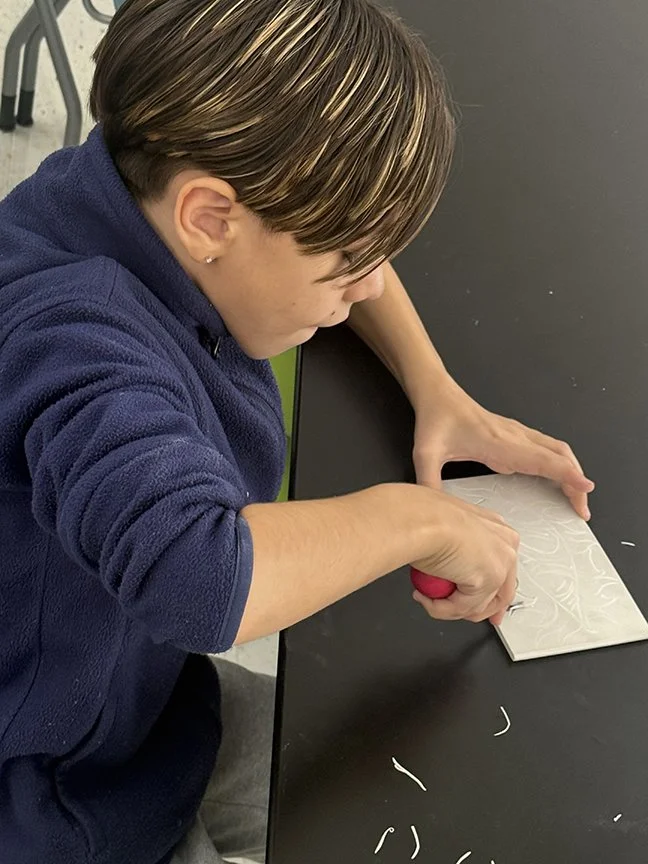
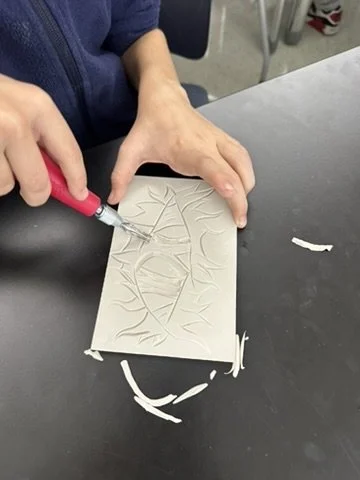
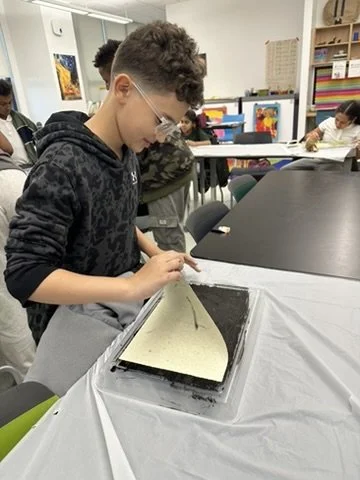
When Golnaz introduced her middle schoolers to block printing, they began a journey that shifted their mindset. Golnaz says her students rose to the responsibility of working with traditional linocut carving tools. While some students were initially hesitant or nervous, they became more confident as they learned proper techniques.
Some students initially treated the rubber printing block like a drawing surface and spent a lot of time making detailed designs. When they realized the drawing was only a guide for carving, a few felt disappointed; however, after seeing a printing demonstration, understanding that one block could produce multiple prints in different colors and layers excited them, and they became more engaged and more willing to experiment with the process.
The classroom soon became a space for spontaneous experimentation. Some students even started printing their designs on T-shirts, a move that wasn't in the lesson plan but sparked a wave of creative "rule-breaking." Golnaz says that by the end of the project, she saw lots of conceptual breakthroughs.
“The unit on block printing reinforced how impactful materials-based learning can be for students. Introducing tools, process, and repetition encouraged focus, patience, and confidence.”
Artopia will continue through the end of the spring semester. Both schools will celebrate student achievements with a gallery walk and culminating event open to friends, family, and the wider school community.
Teaching Staff
Jonathan Hyman
Teaching Artist Assistant-in-Training
Golnaz Esmaili
Teaching Artist
Demetrius Felder
Teaching Artist
CAW Staff
Kevin Claiborne
Program Manager
Riki Sabel
Senior Manager of Teaching & Learning
Emilio Vides-Curnen
Operations Coordinator
Madeline De León
Program Coordinator
Paola Gonzalez
Development & Communications Coordinator
Ivory Nunez-Medrano
Community Artmaking Initiatives Coordinator
Karen Jolicoeur
Executive Director
Ian Newton
Director of Finance & Administration
Clair Vogel
Development Manager
Jill Goldstein
Human Resources & Office Manager
Scott Lucas
Manager of Marketing & Communications
Donna Manganello
Senior Program Manager
This Creative Art Works program is supported, in part, by the New York City Department of Cultural Affairs and the Cultural After-School Adventures (CASA) Initiative in partnership with the NYC Council and Council Member Shaun Abreu (PS 192) and Council Member Carmen de la Rosa (PS/MS 278). This Creative Art Works program is also made possible by the New York State Council on the Arts with the support of the Office of the Governor and the New York State Legislature.