Cultivating Agency Through Artmaking
A year-long studio art elective combines art, engineering, philosophy, and social-emotional learning
In the heart of Chelsea, a neighborhood known for its trendy restaurants and hip galleries, the most exclusive art opening this month may have been in a basement classroom at Hudson High School of Learning Technologies (HHSLT). The room could barely contain all the art produced by more than 60 students in an art elective taught by Creative Art Works veteran Teaching Artist Abby Walsh. Every wall and surface was covered with paintings, drawings, collages, masks, puppets, graphic novels, and sculptures.
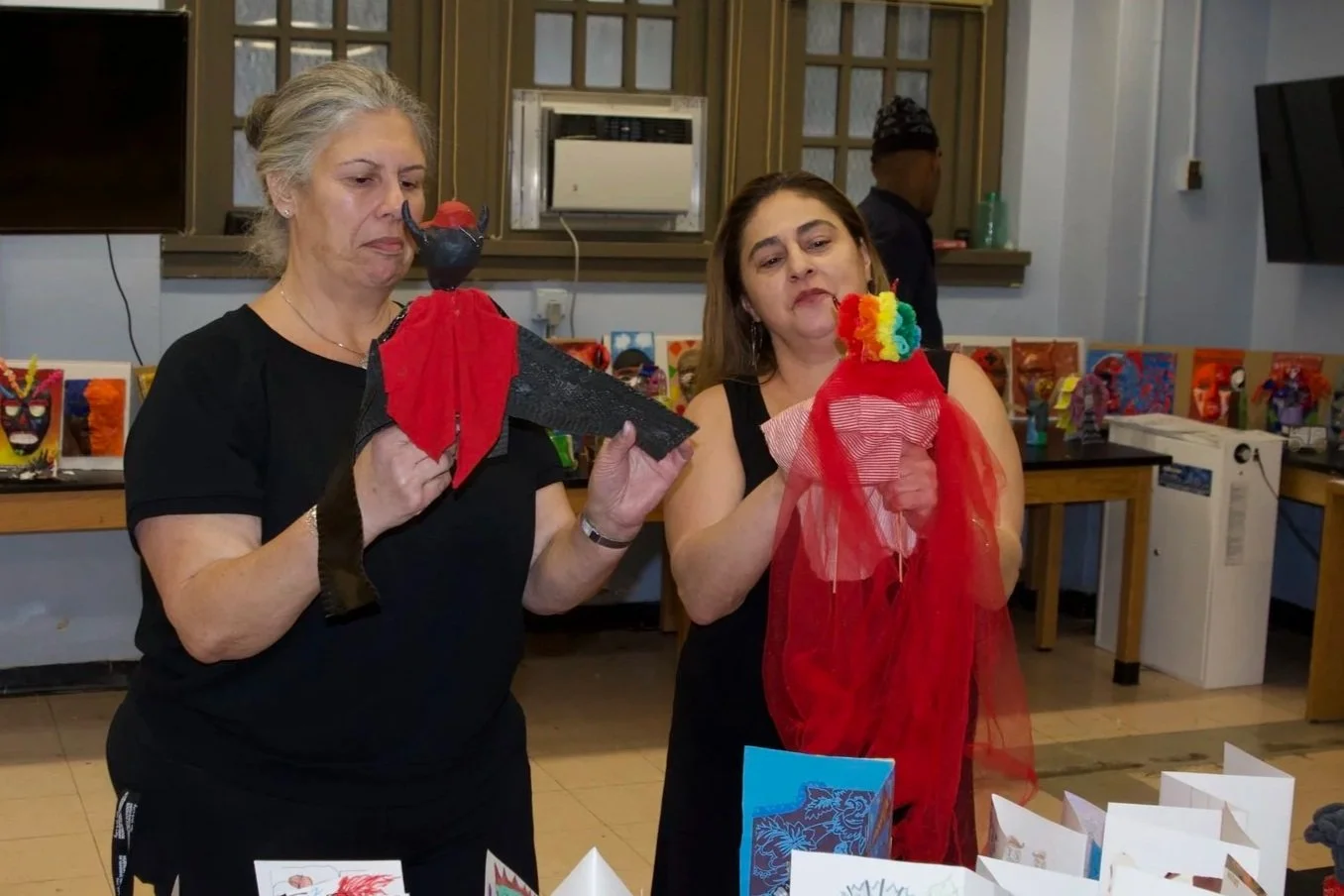
Assistant Principal Caterina LaFergola and an HHSLT teacher play with stick puppets created by students in a CAW in-school program
Students, teachers, and staff came to marvel at the prodigious outpouring of creativity. Students offered guided tours of their own art and that of their peers. Teachers asked students to pose for cellphone pics while holding up a favorite project. The assistant principal was particularly delighted with the stick puppets.
The curriculum for this class was developed by CAW in response to requests from HHSLT students for an elective in traditional studio art at their tech-focused school.
Building off of other CAW high school curicula, the projects were designed to cultivate student agency, nurture intrinsic motivation, and refine executive functioning all through the lens of artmaking. The strategy was to guide students toward artistic mastery through three foundational pillars: social-emotional learning (SEL), motor skills, and conceptual development. The year-long class, which met five days a week, allowed for deep dives into the theory and practice of a variety of disciplines.
Each lesson plan included healthy scaffolding while still leaving plenty of room for playful experimentation. The year was divided into units that explored four essential questions:
How do I interact with art?
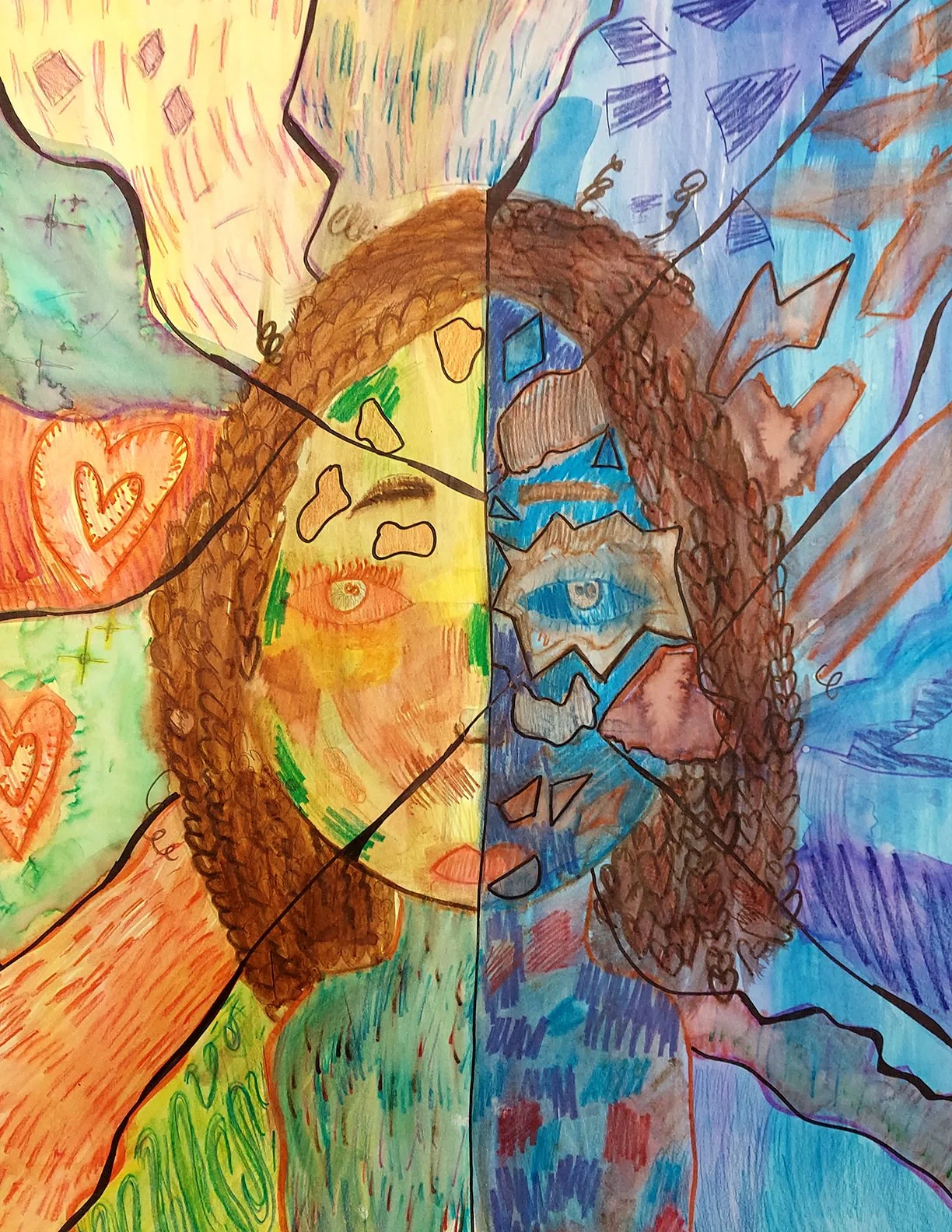
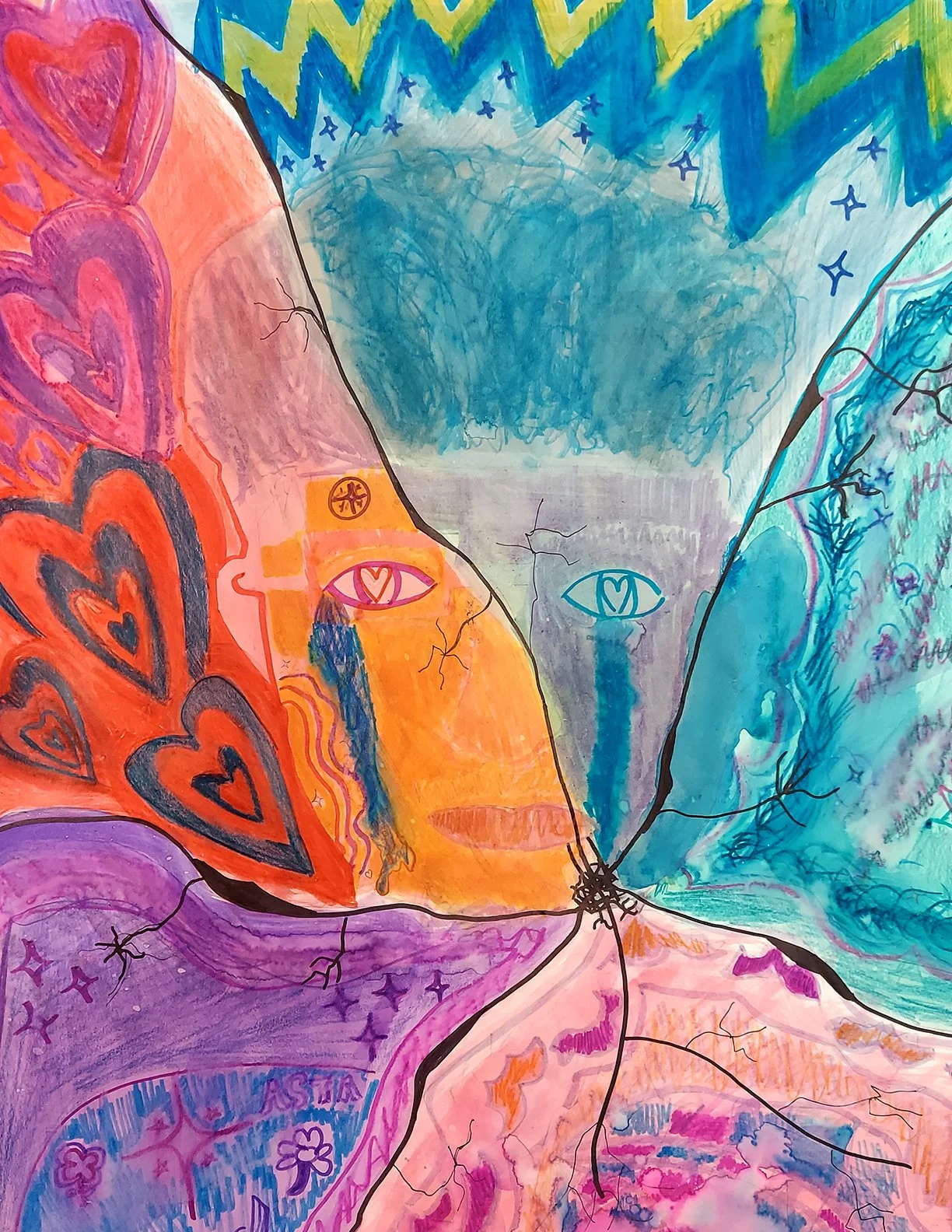
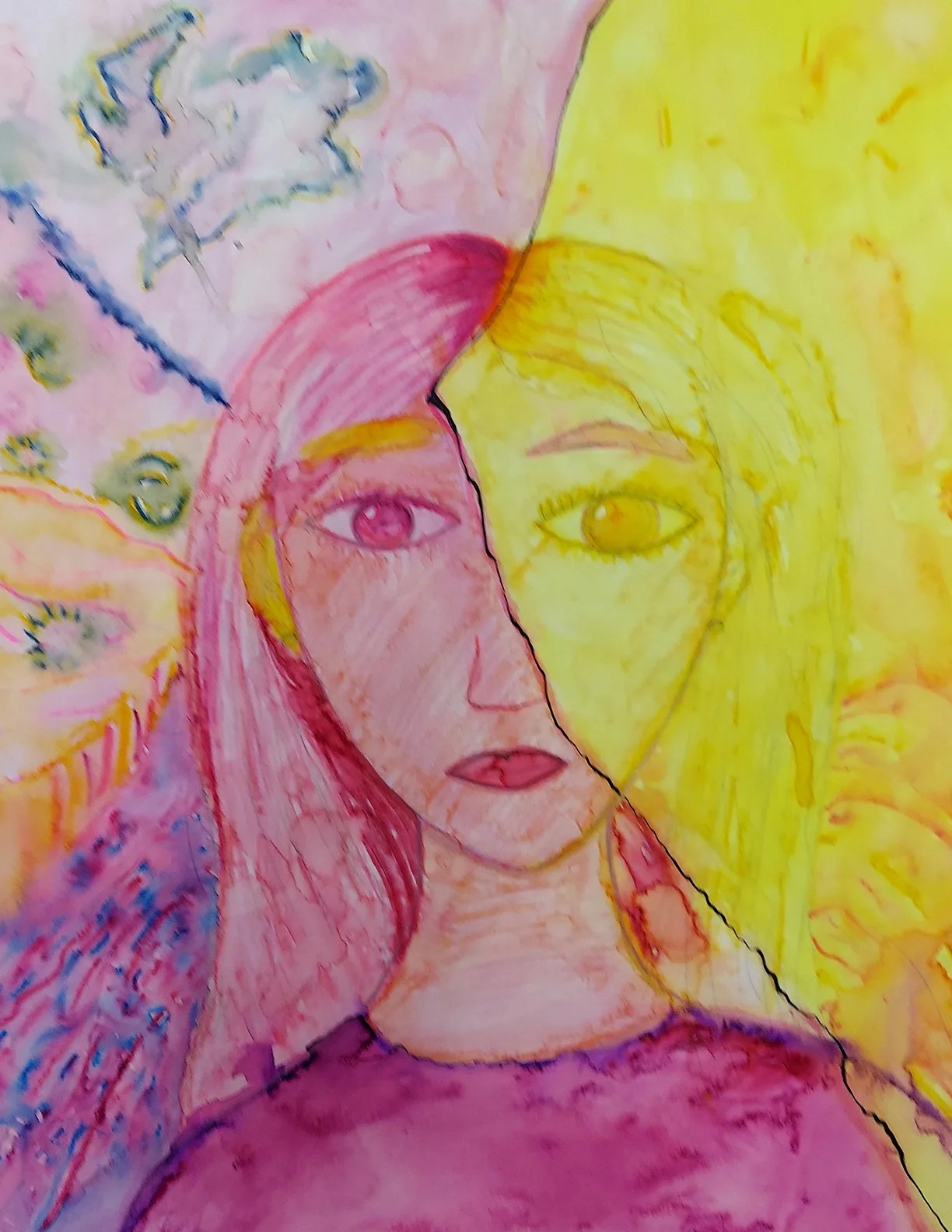
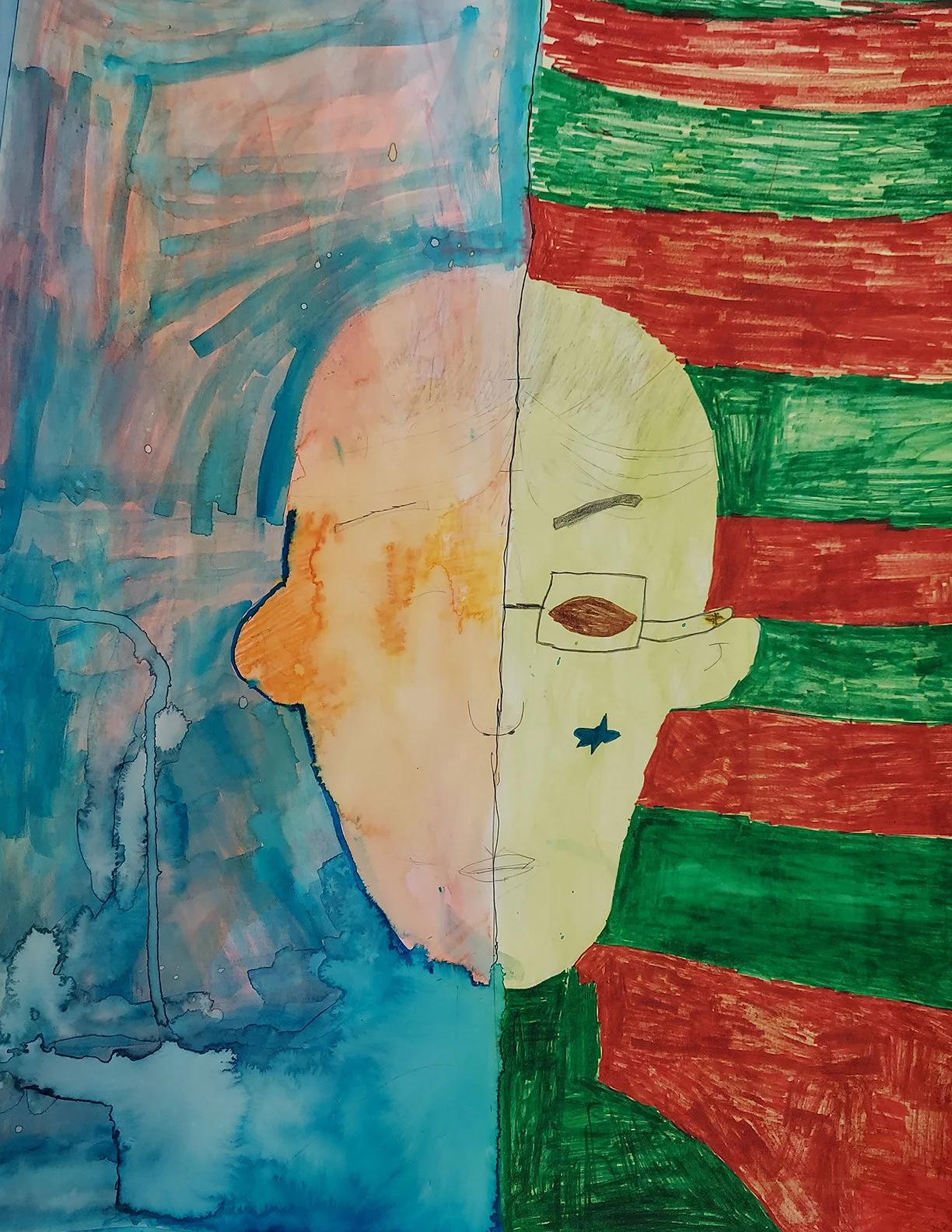
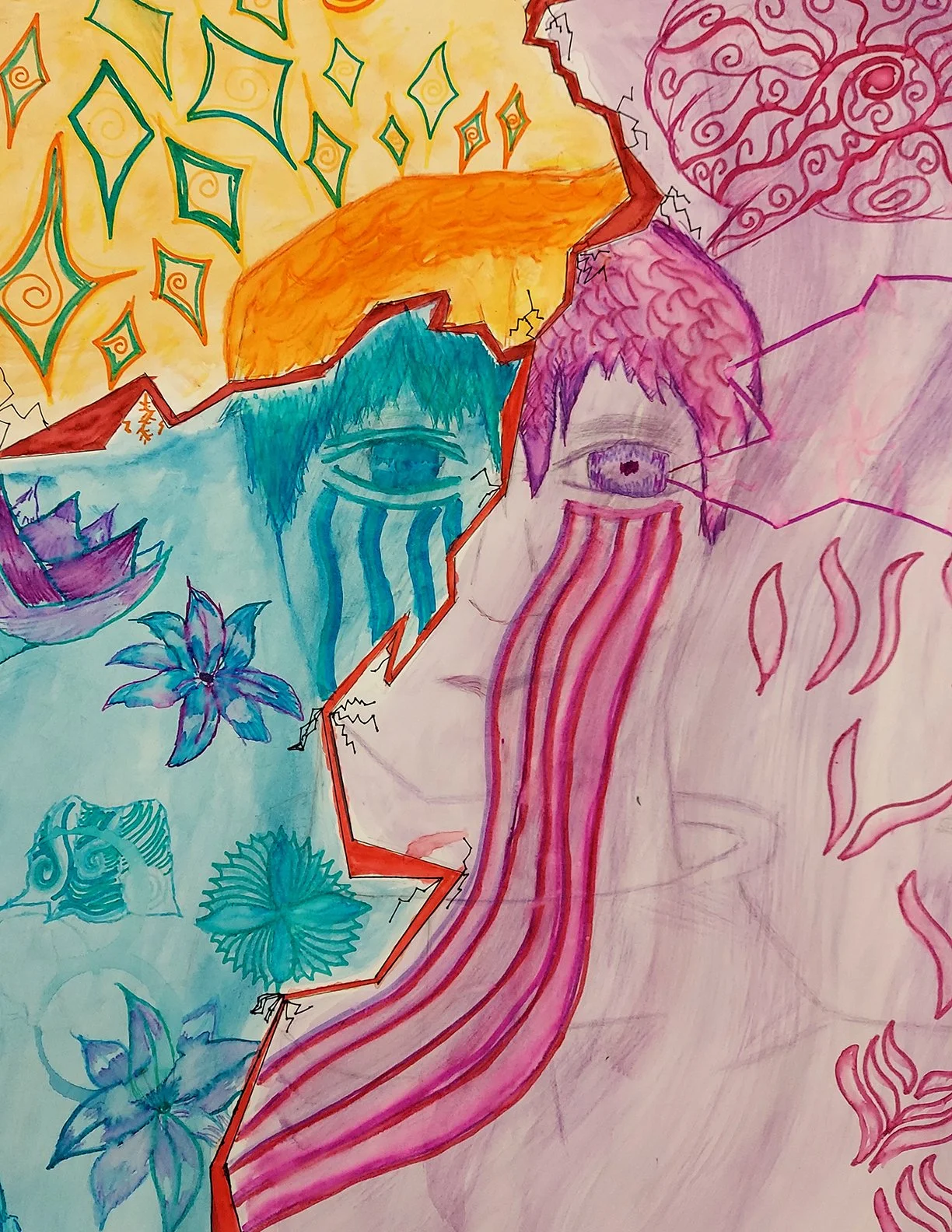
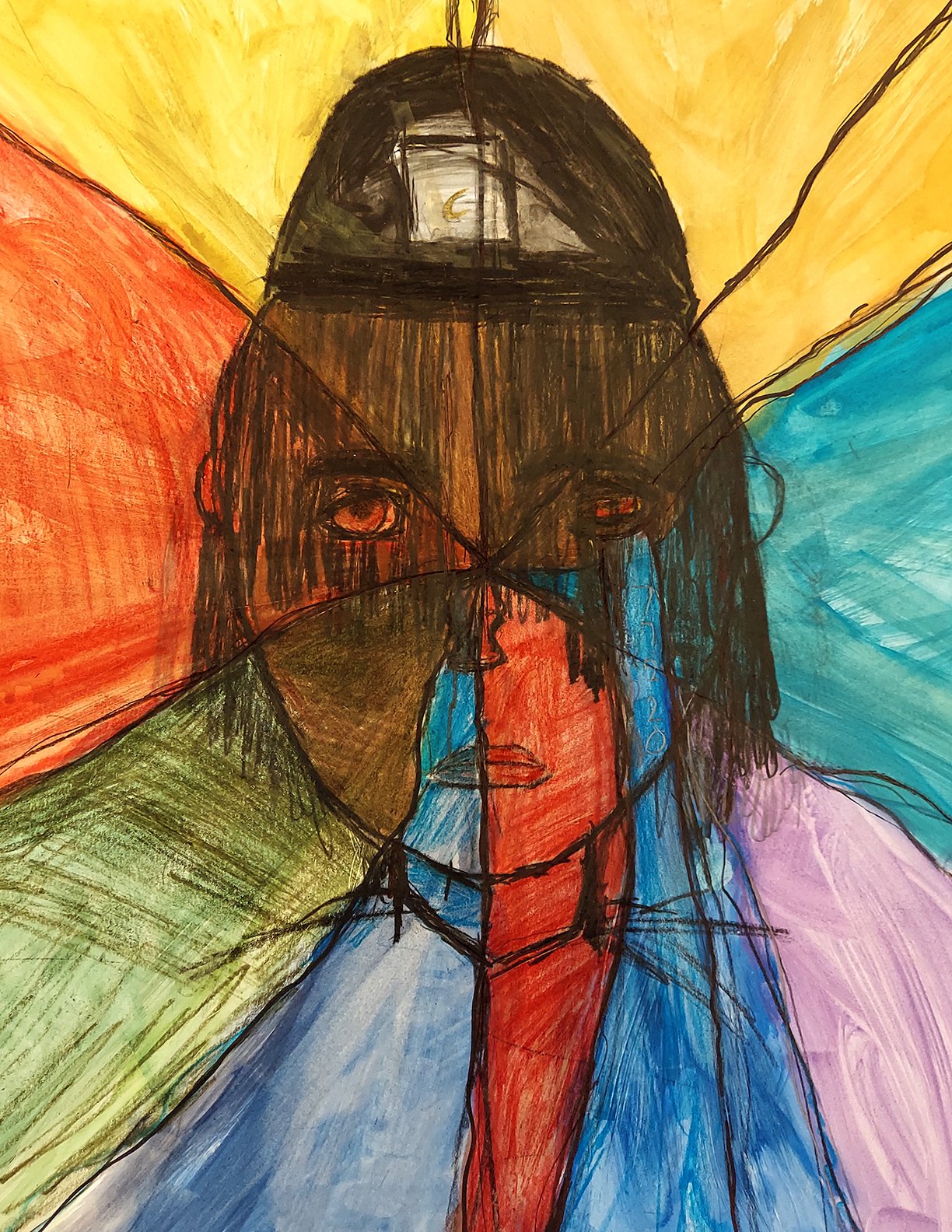
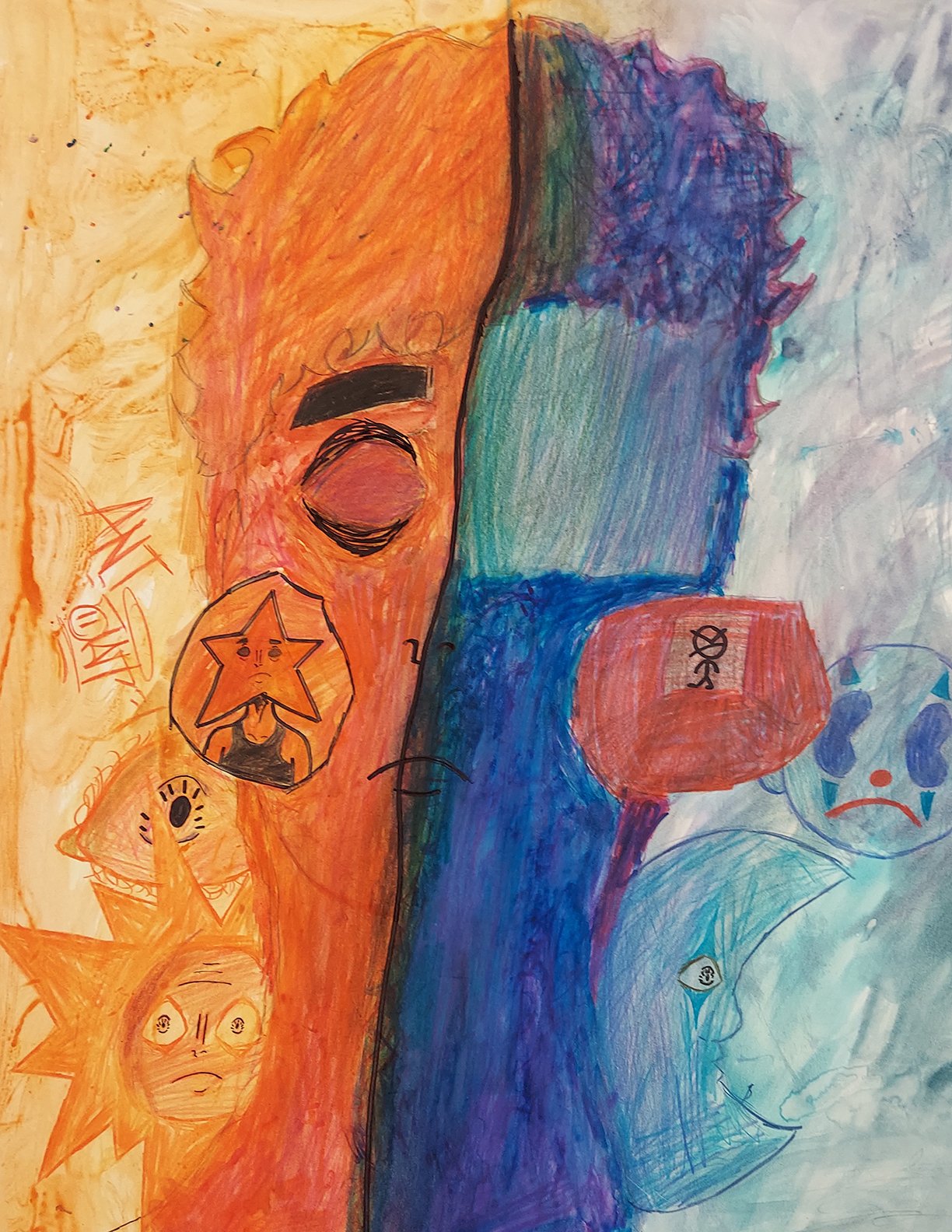
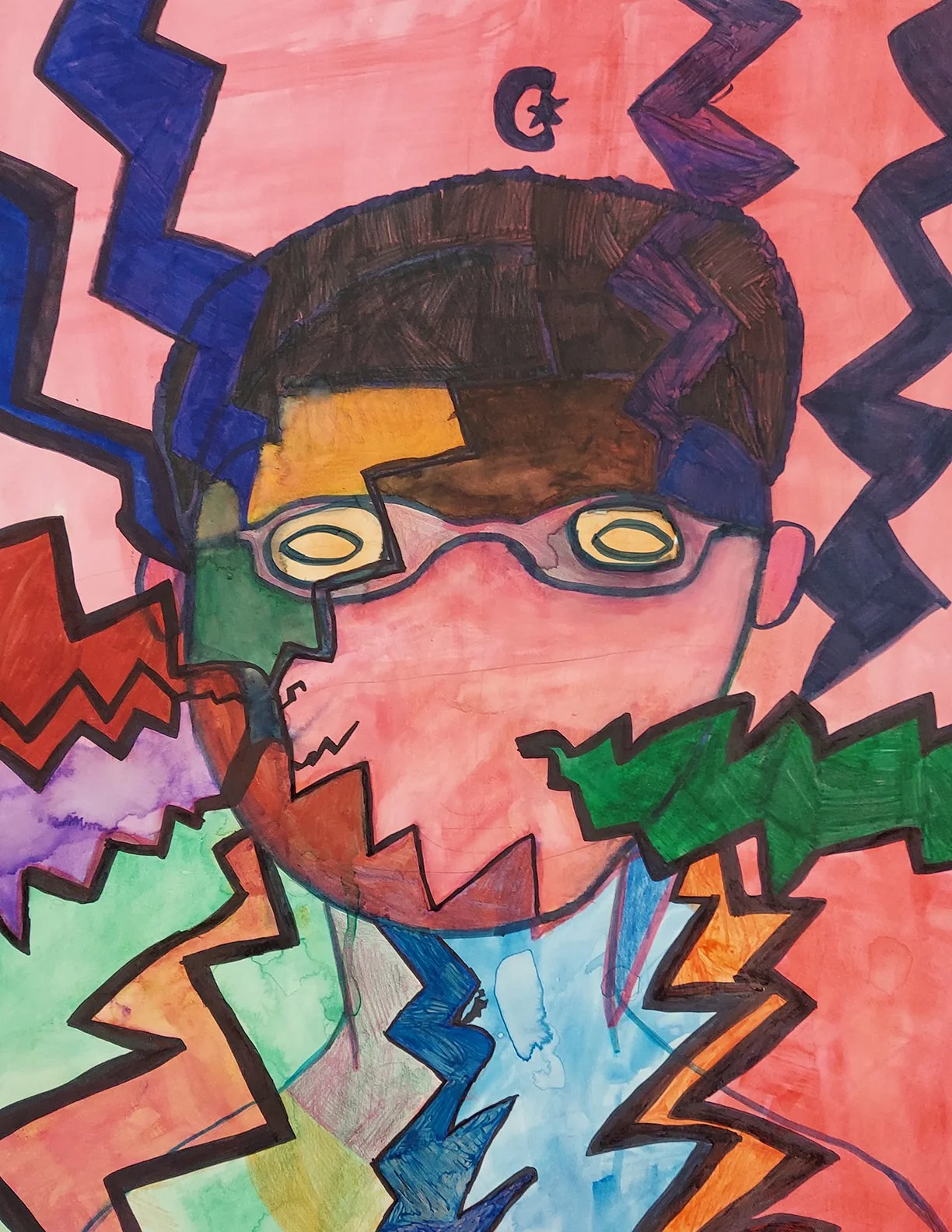
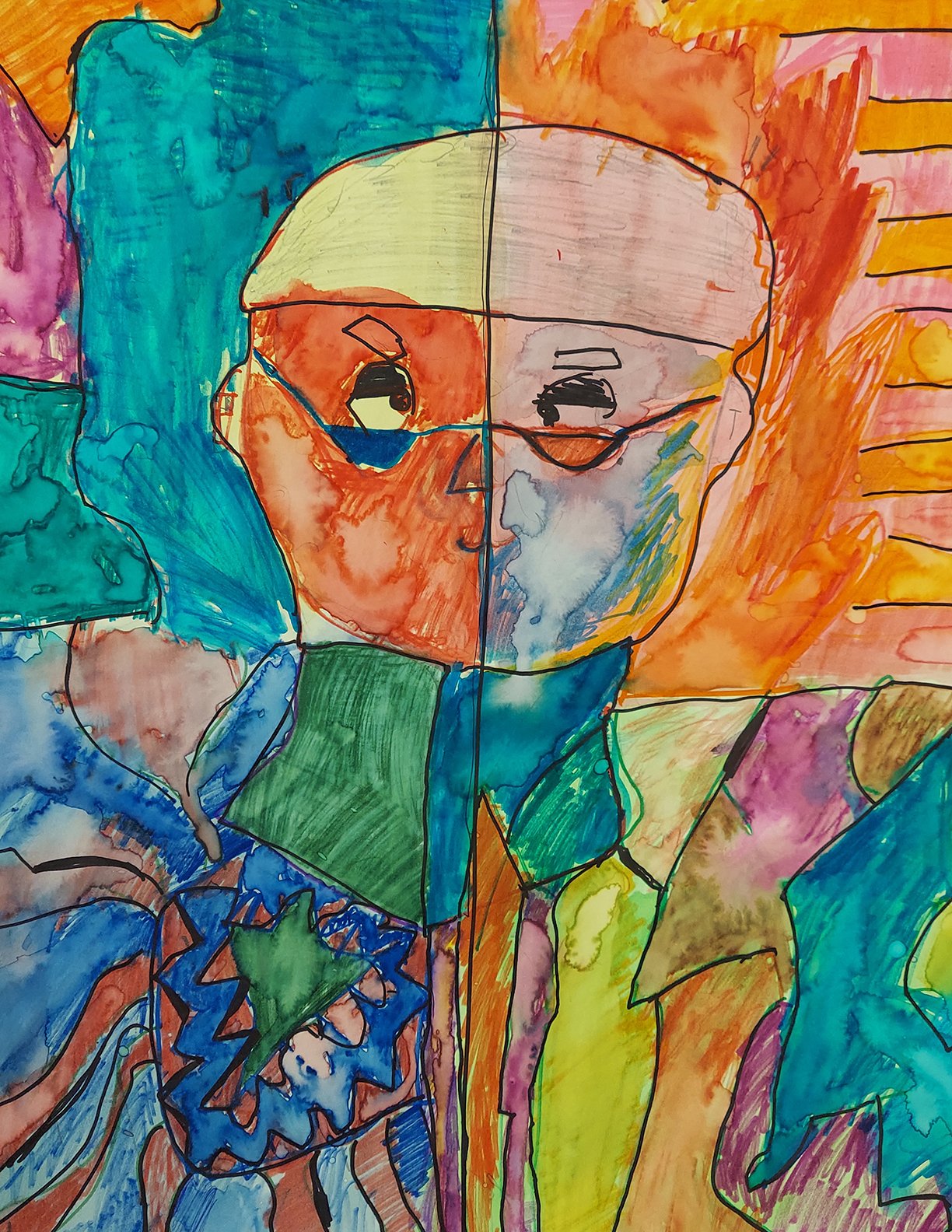
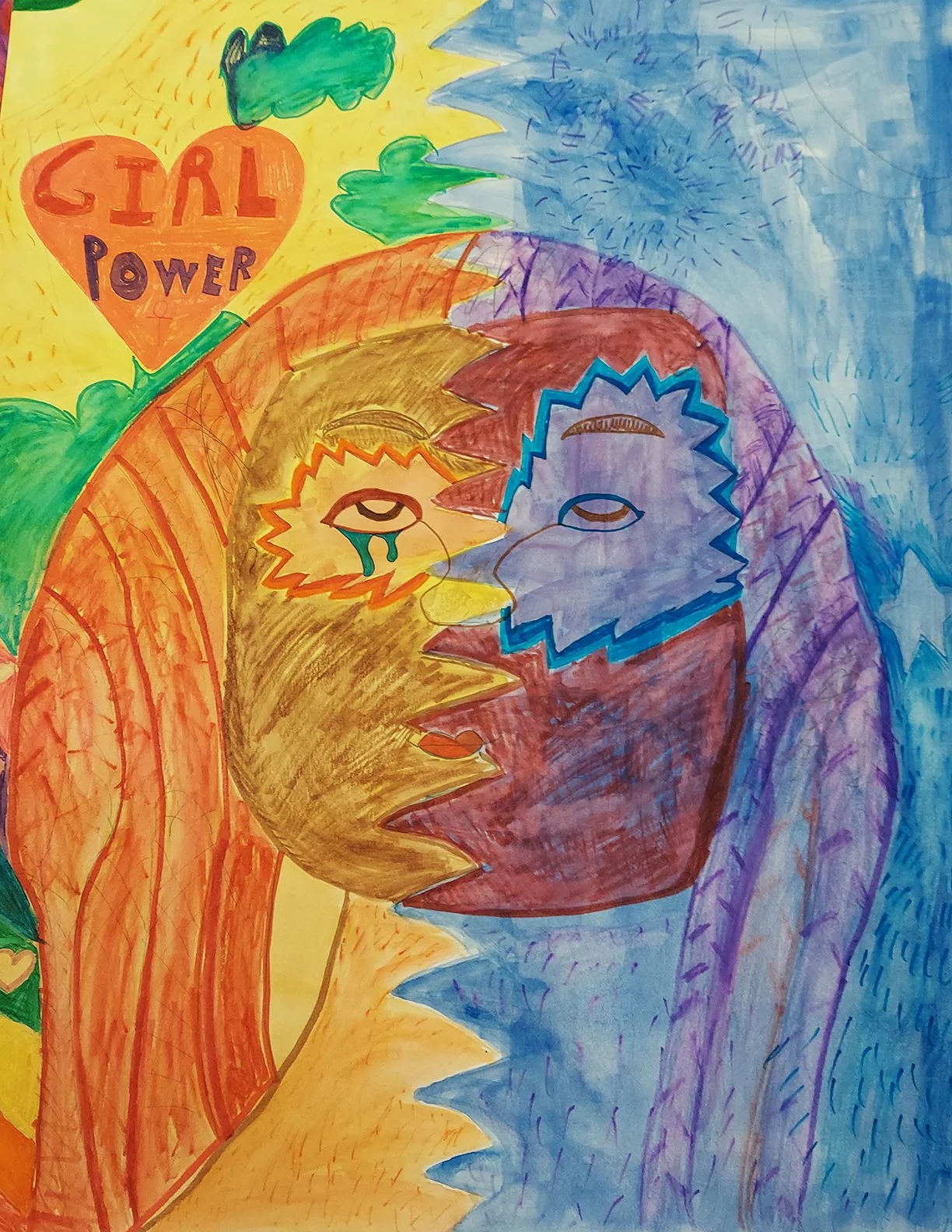
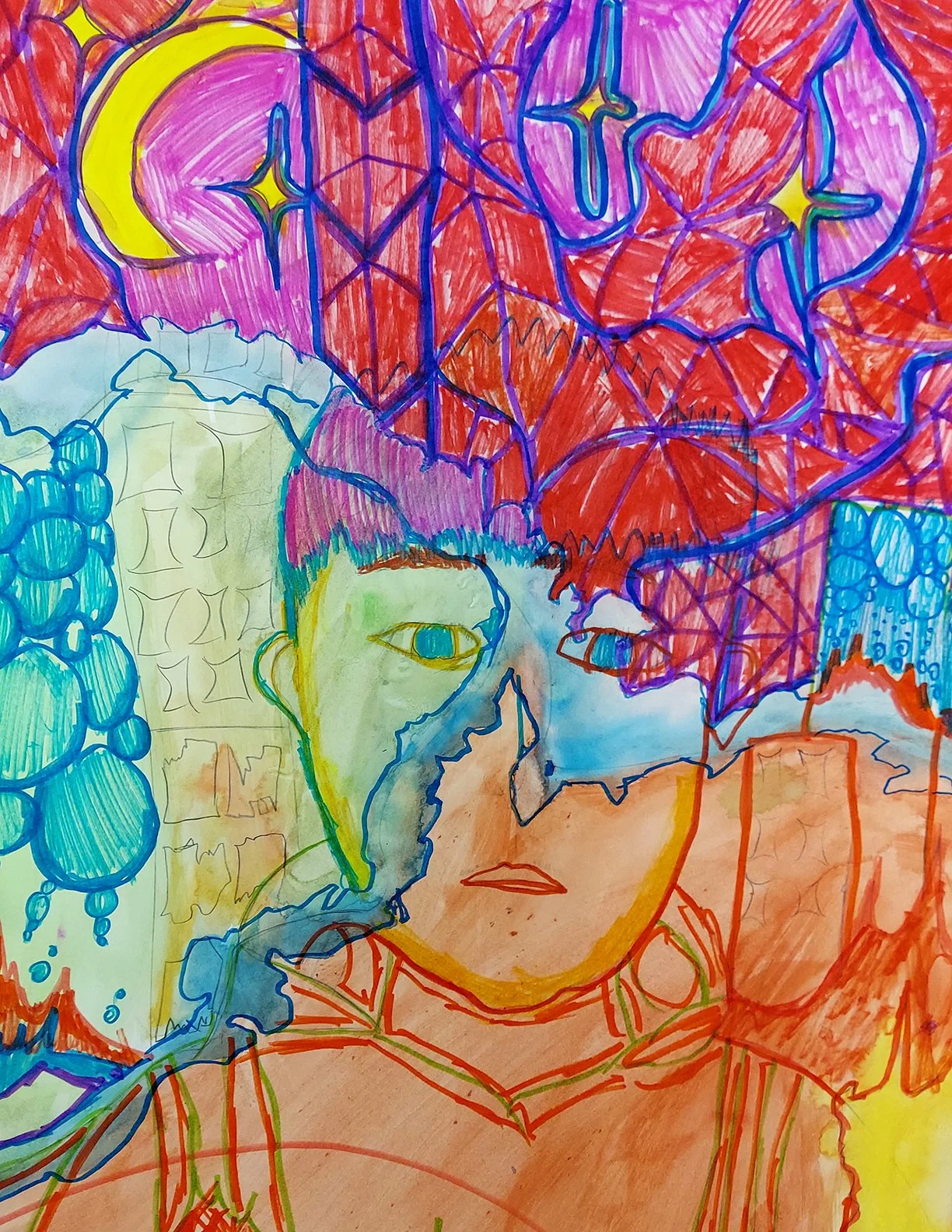
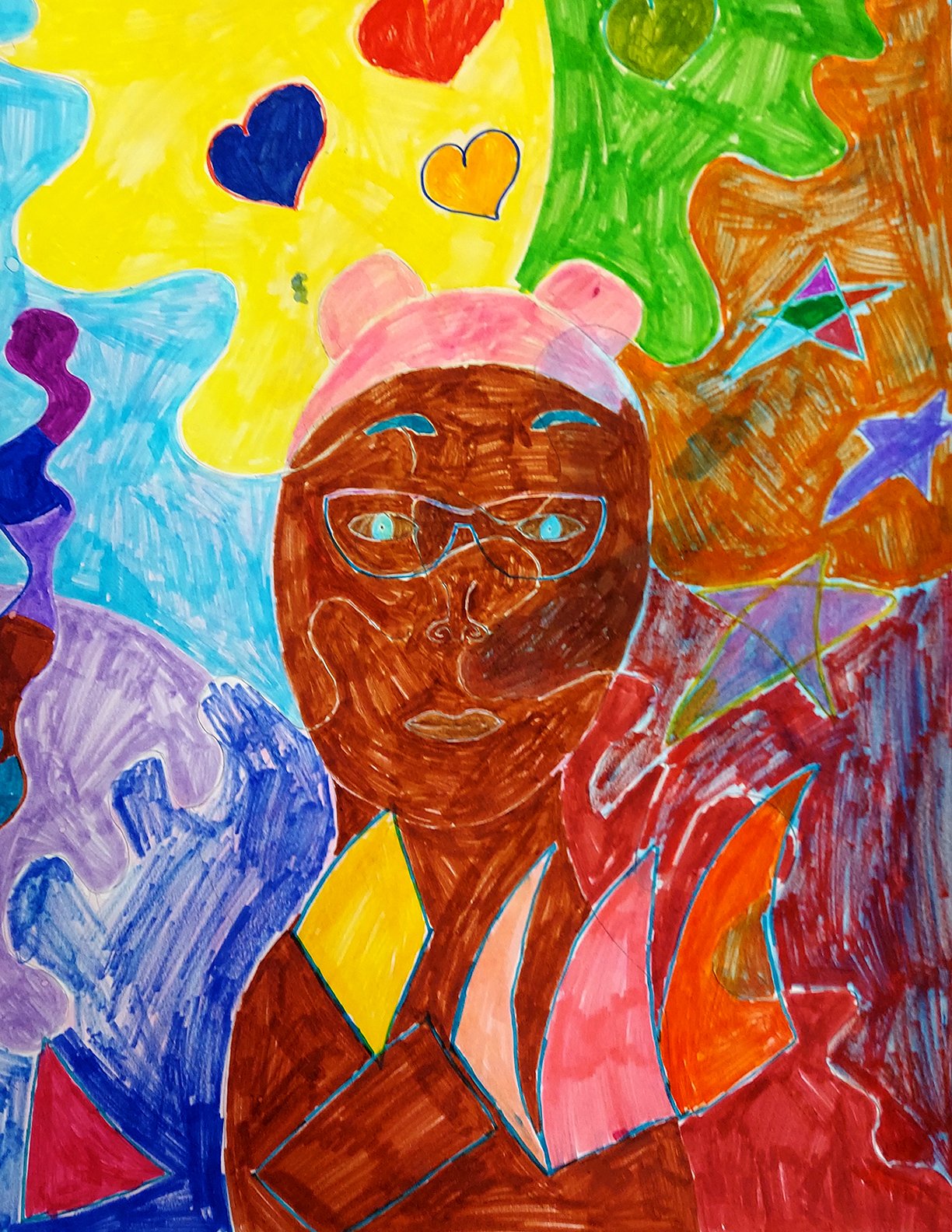
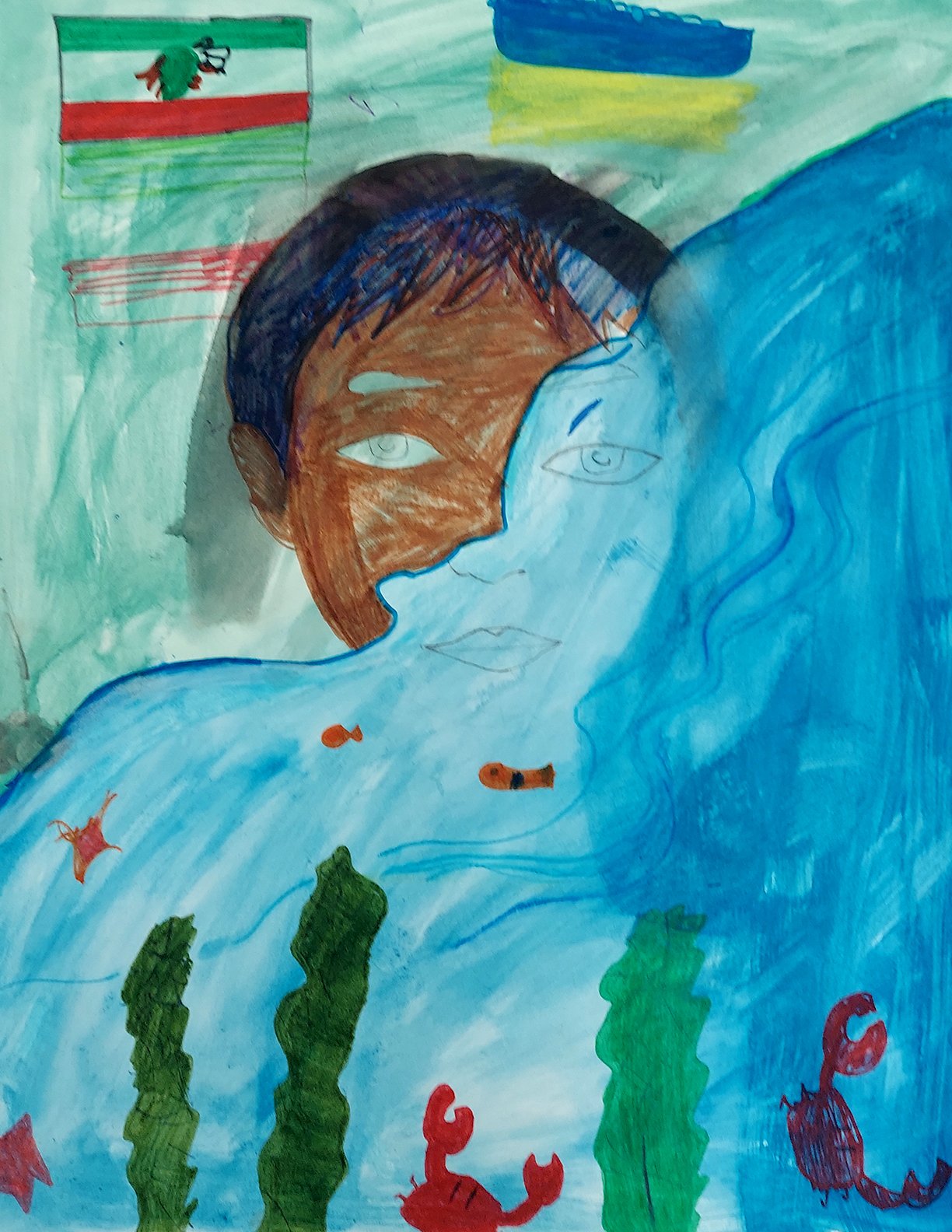
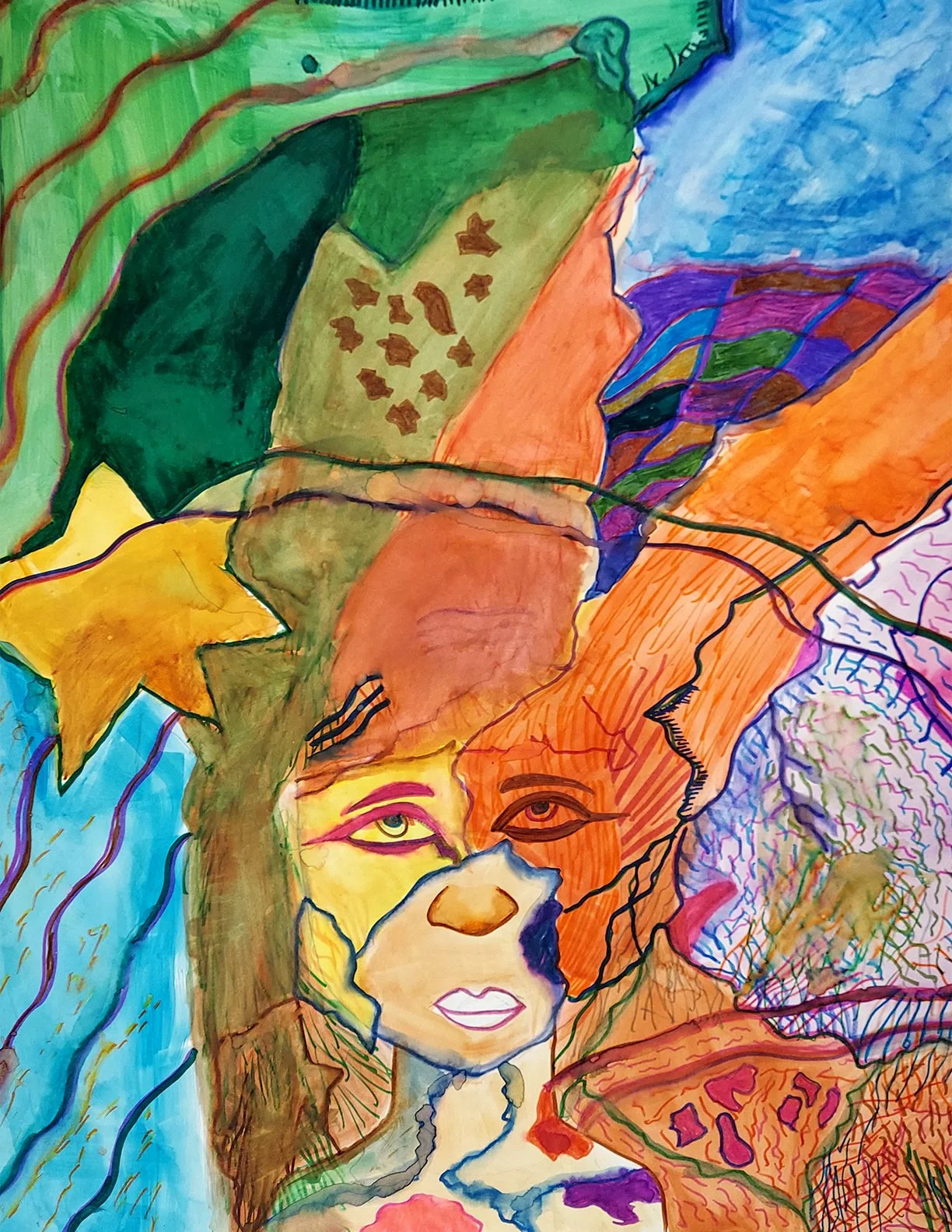
Fractured Self-Portraits: Building upon several previous projects that explored ways in which artists can portray themselves and their values, these large portraits explored how a single image might include multiple aspects of the self.
What are our tools, and how do we use them?
Heroes and Monsters: In this project, students delved into the dreamlike territory of Surrealism to explore the fluid intersection of identity and visual storytelling. By designing original hero and villain characters, they tapped into the subconscious duality of human nature. The articulated cardstock allowed for expressive poses.
How do I give my art a life of its own?
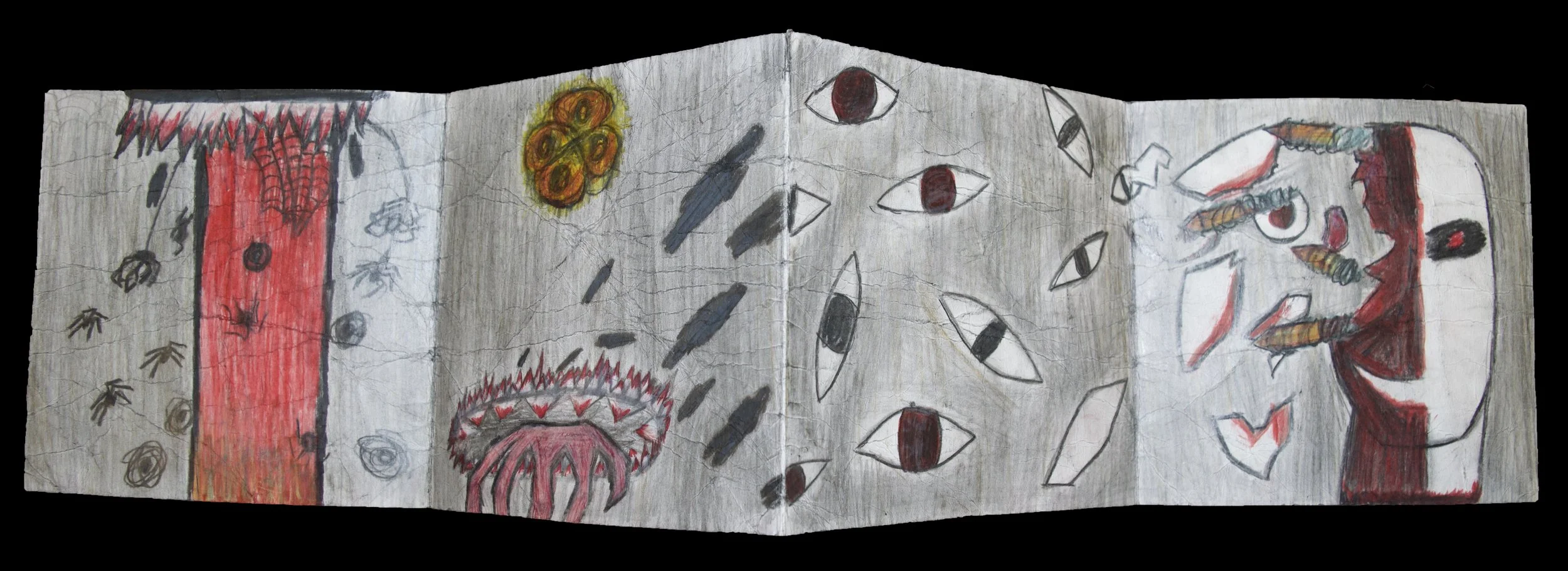
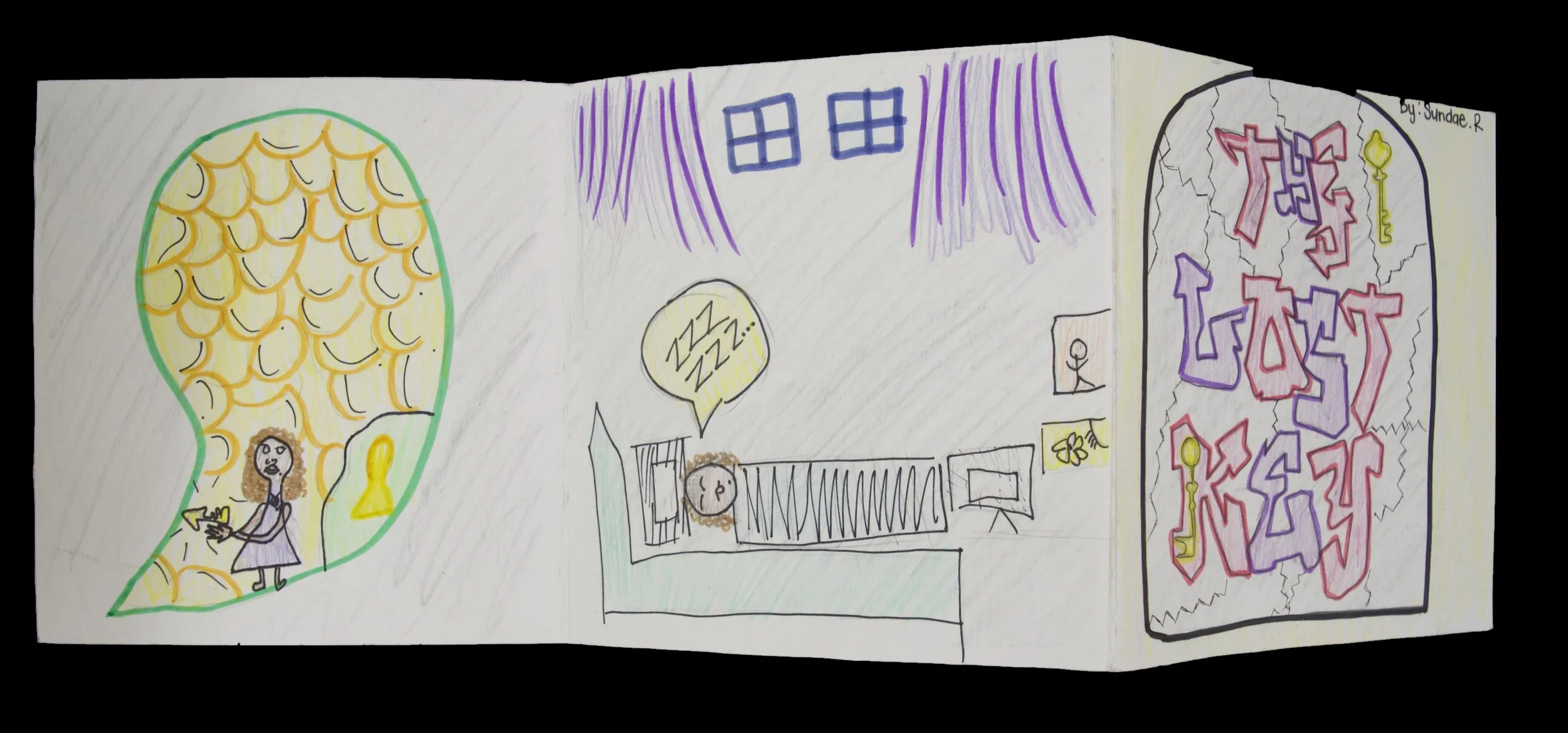
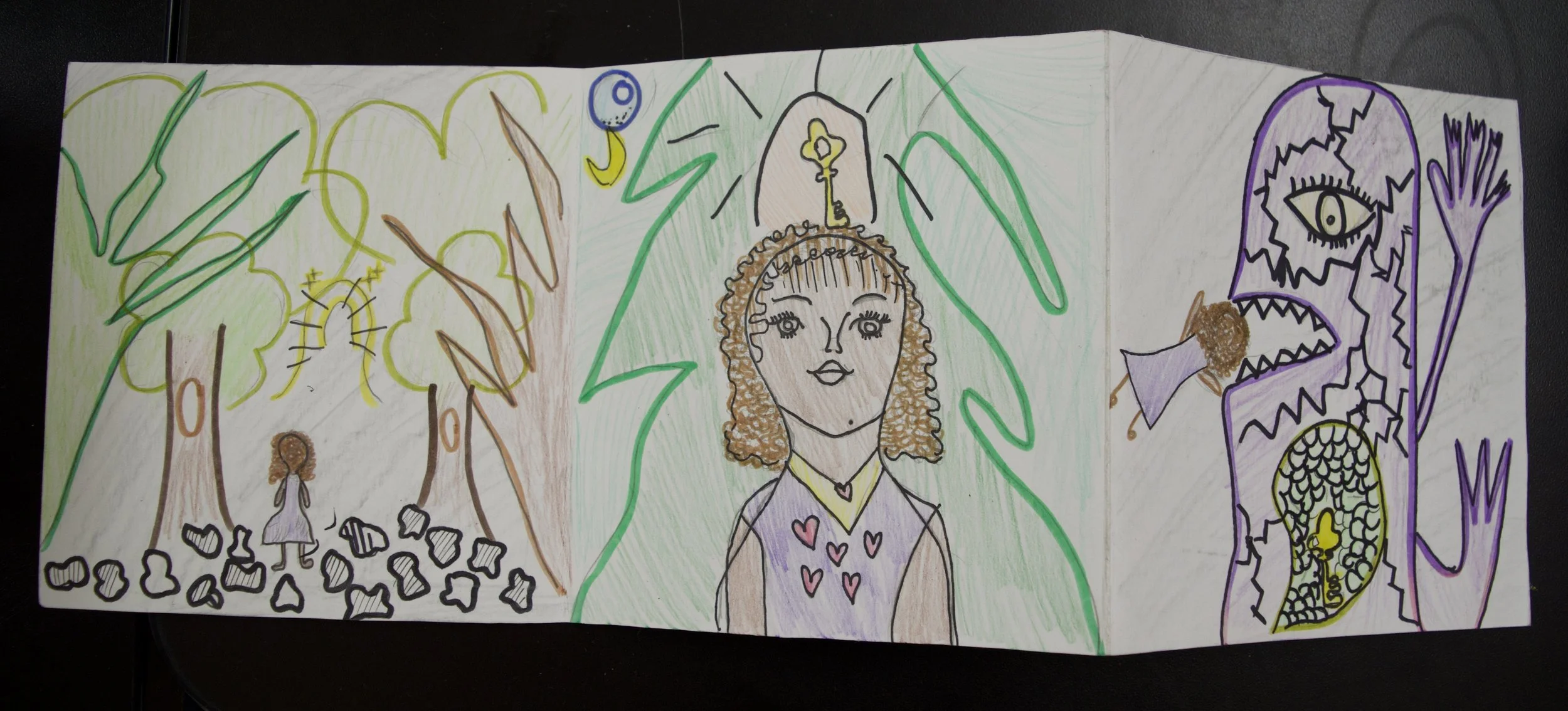
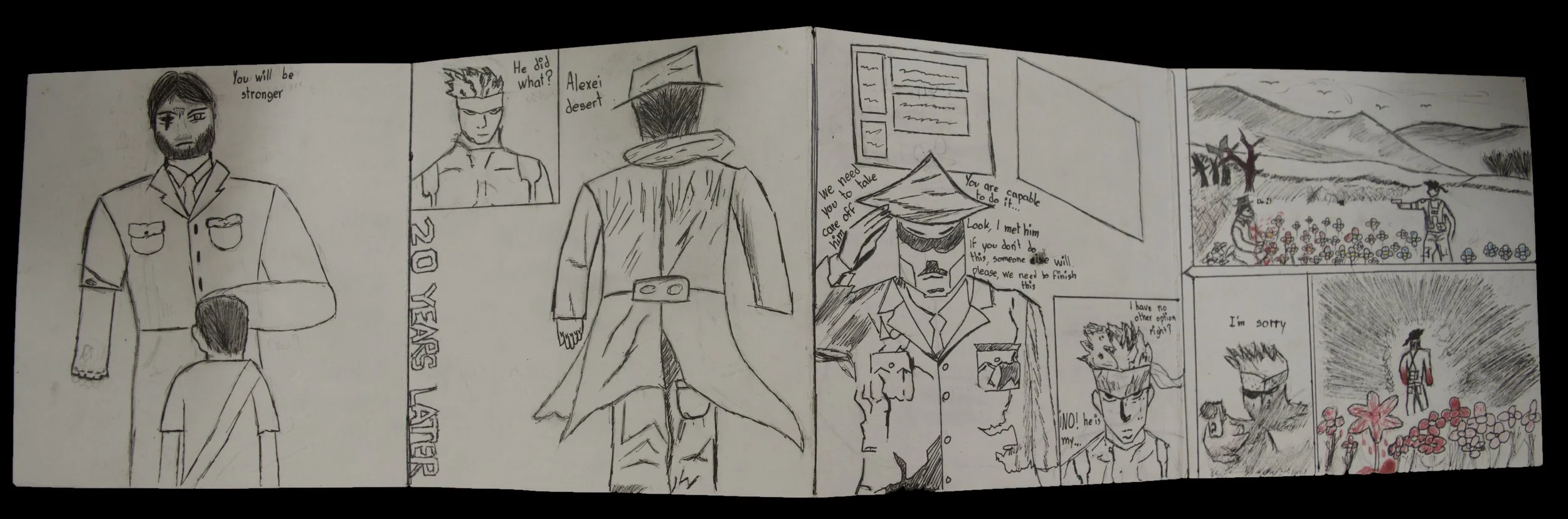
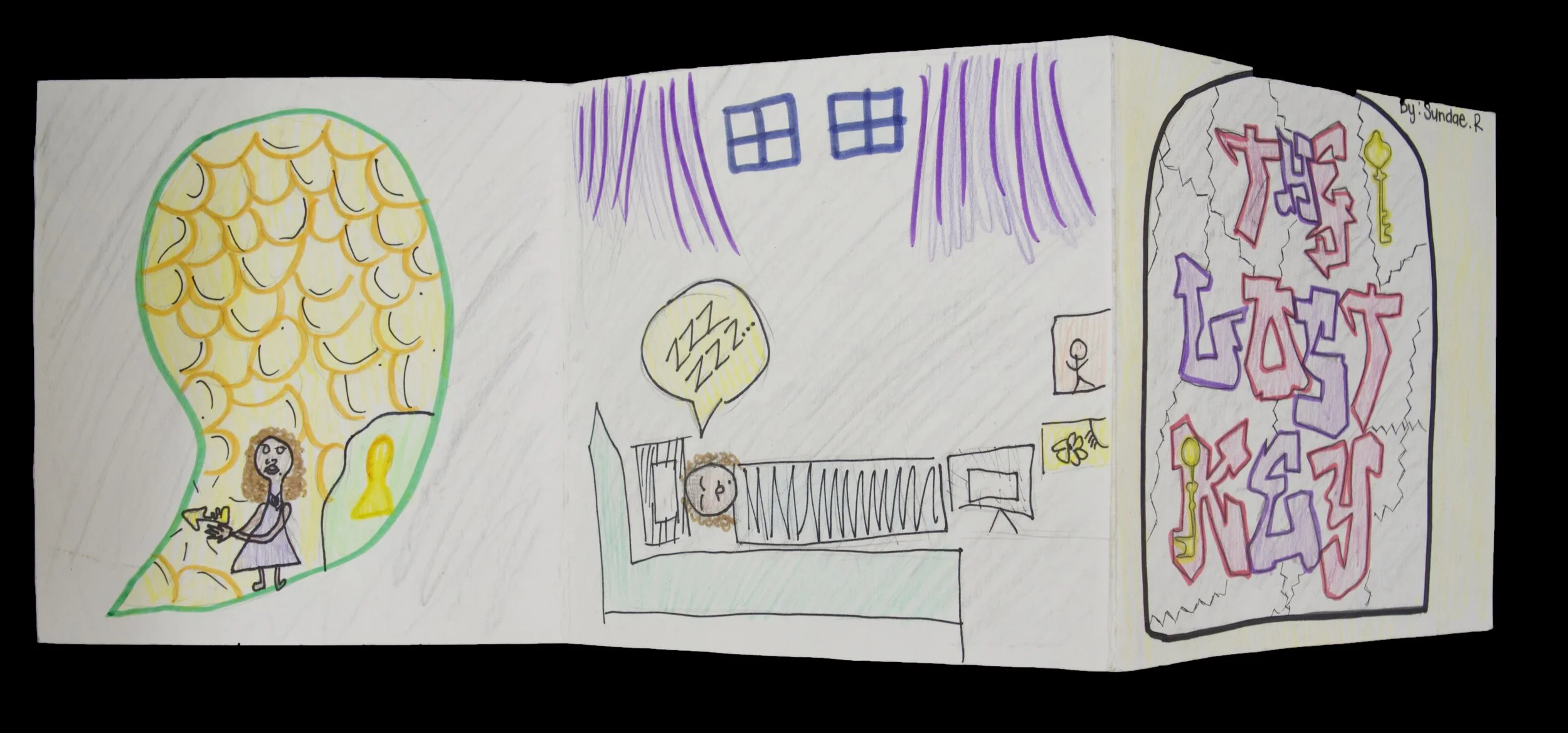
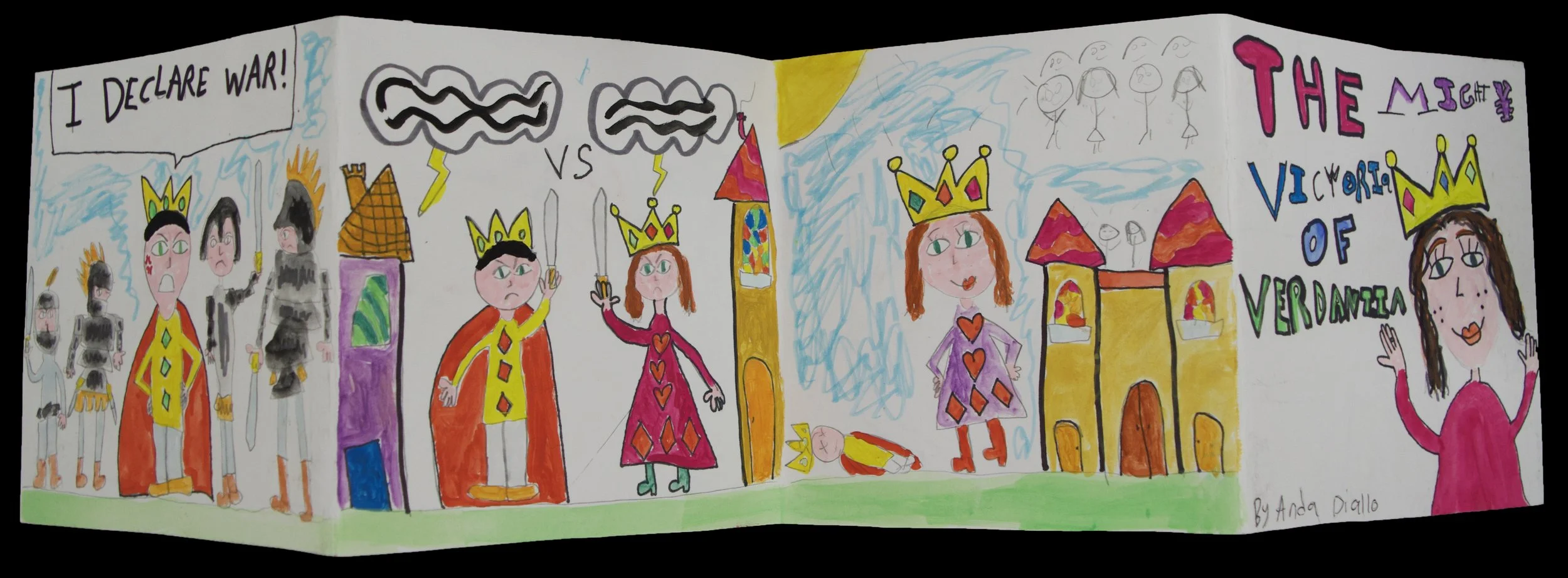
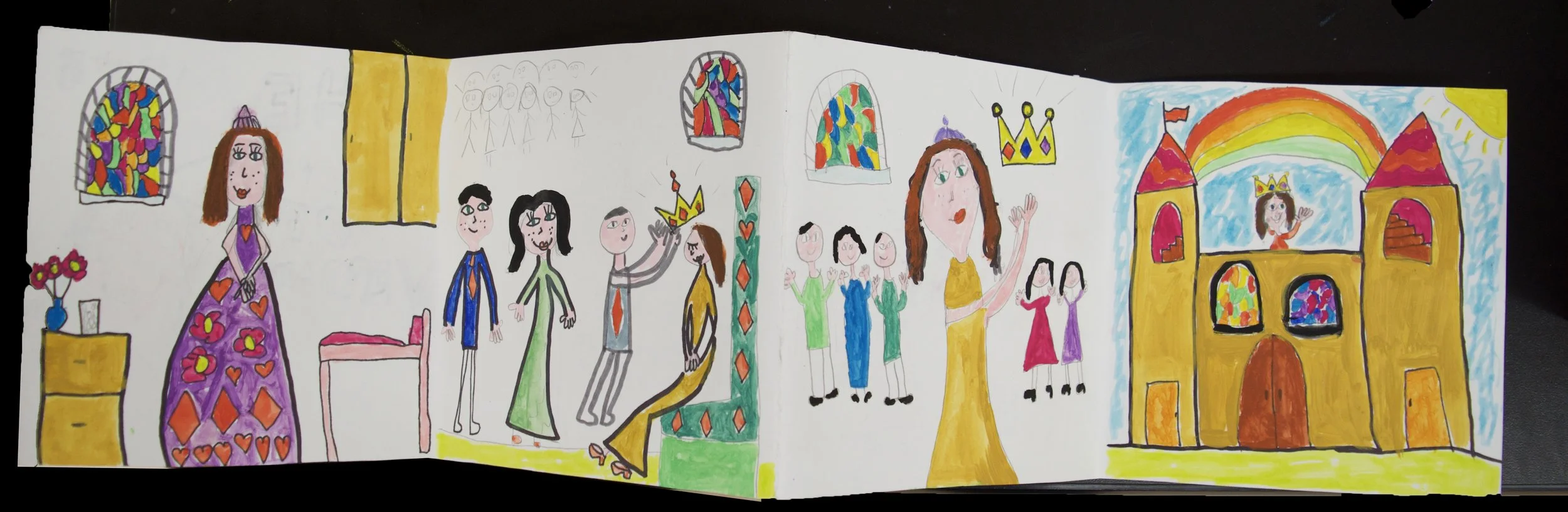
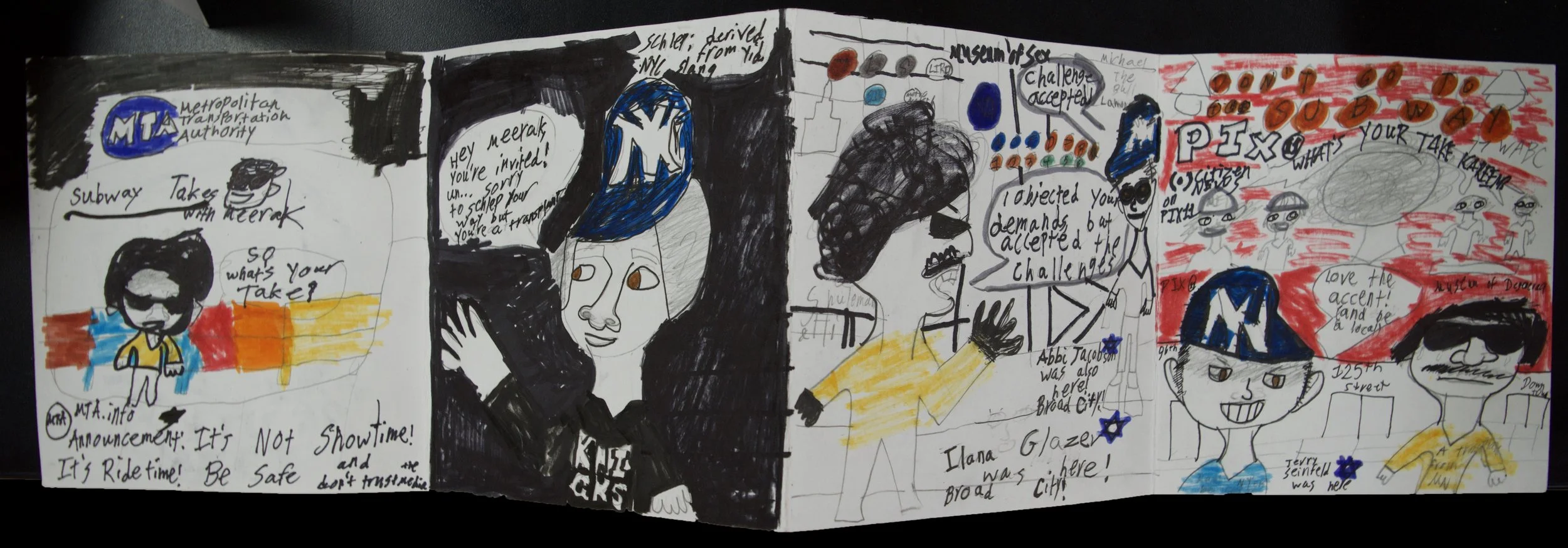
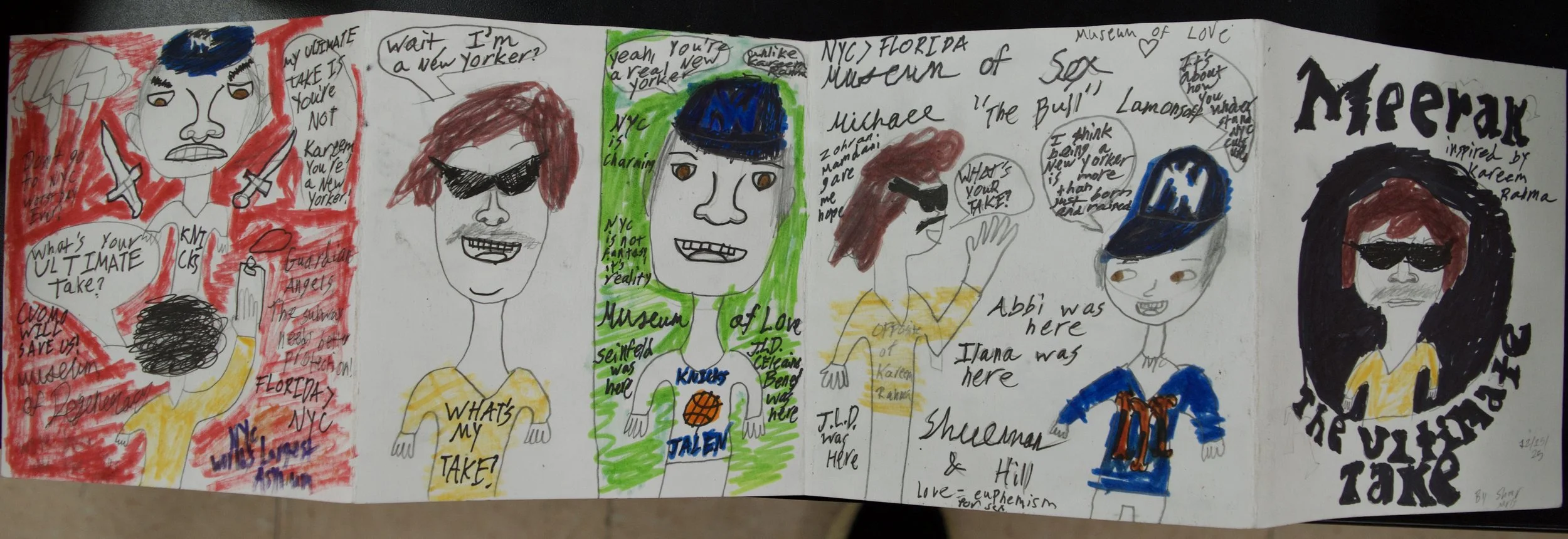
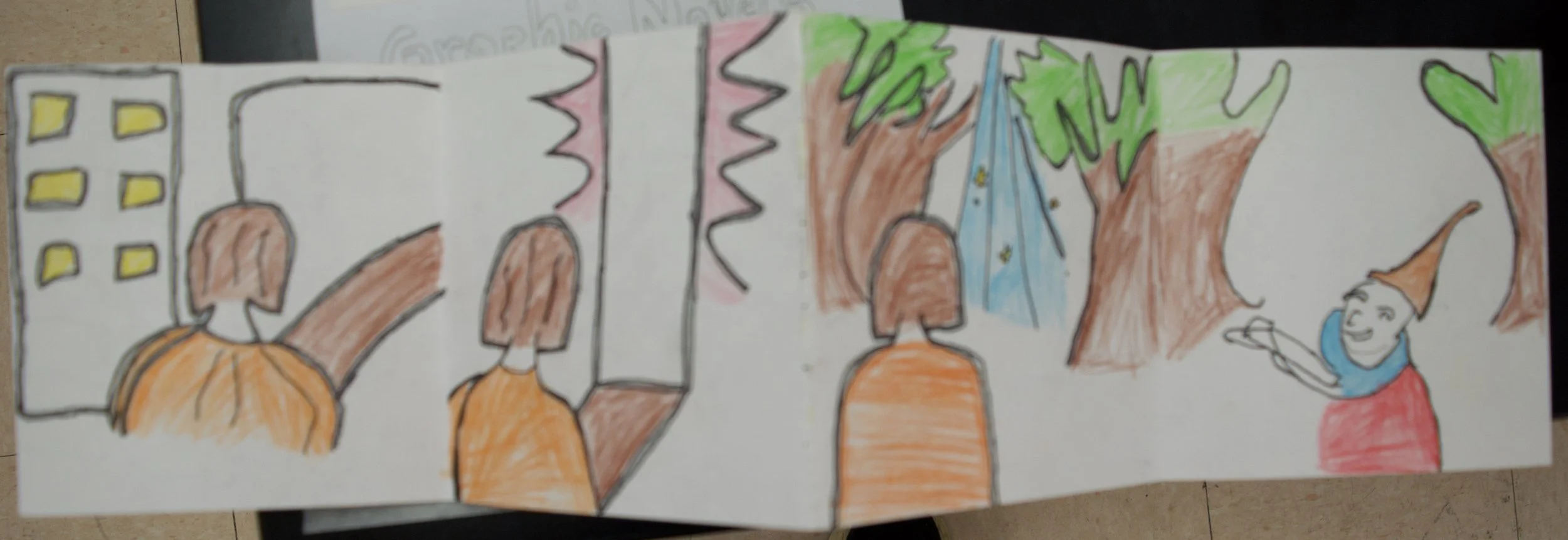
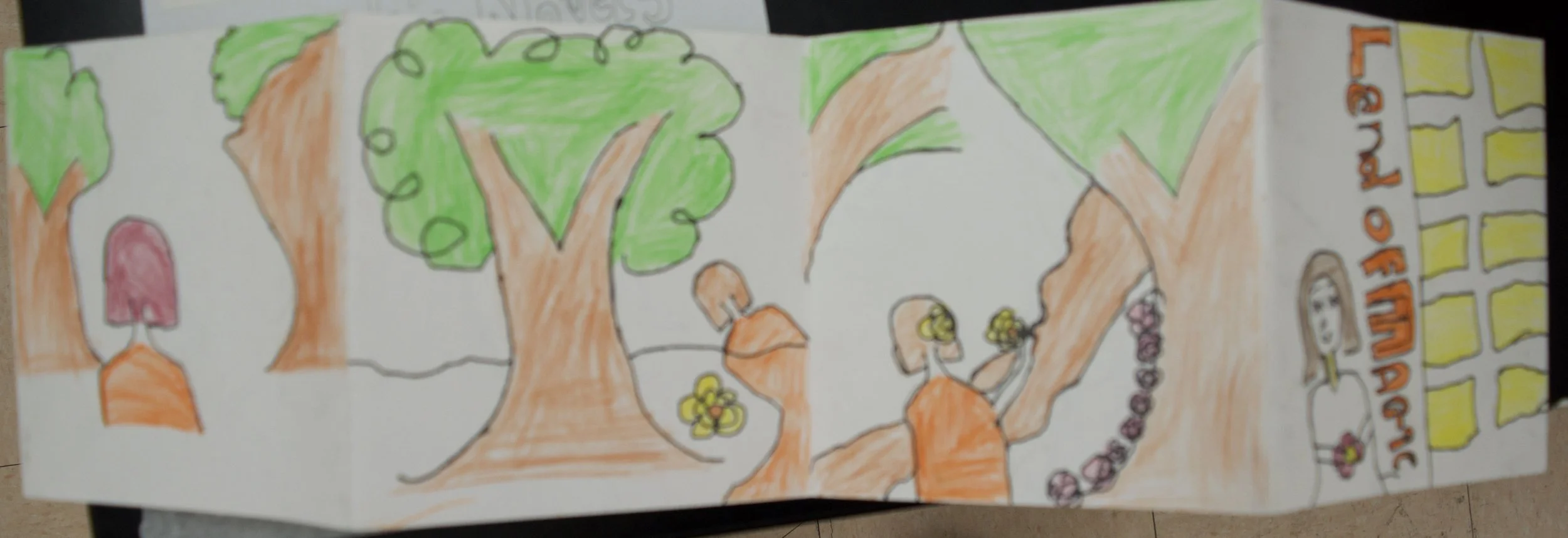
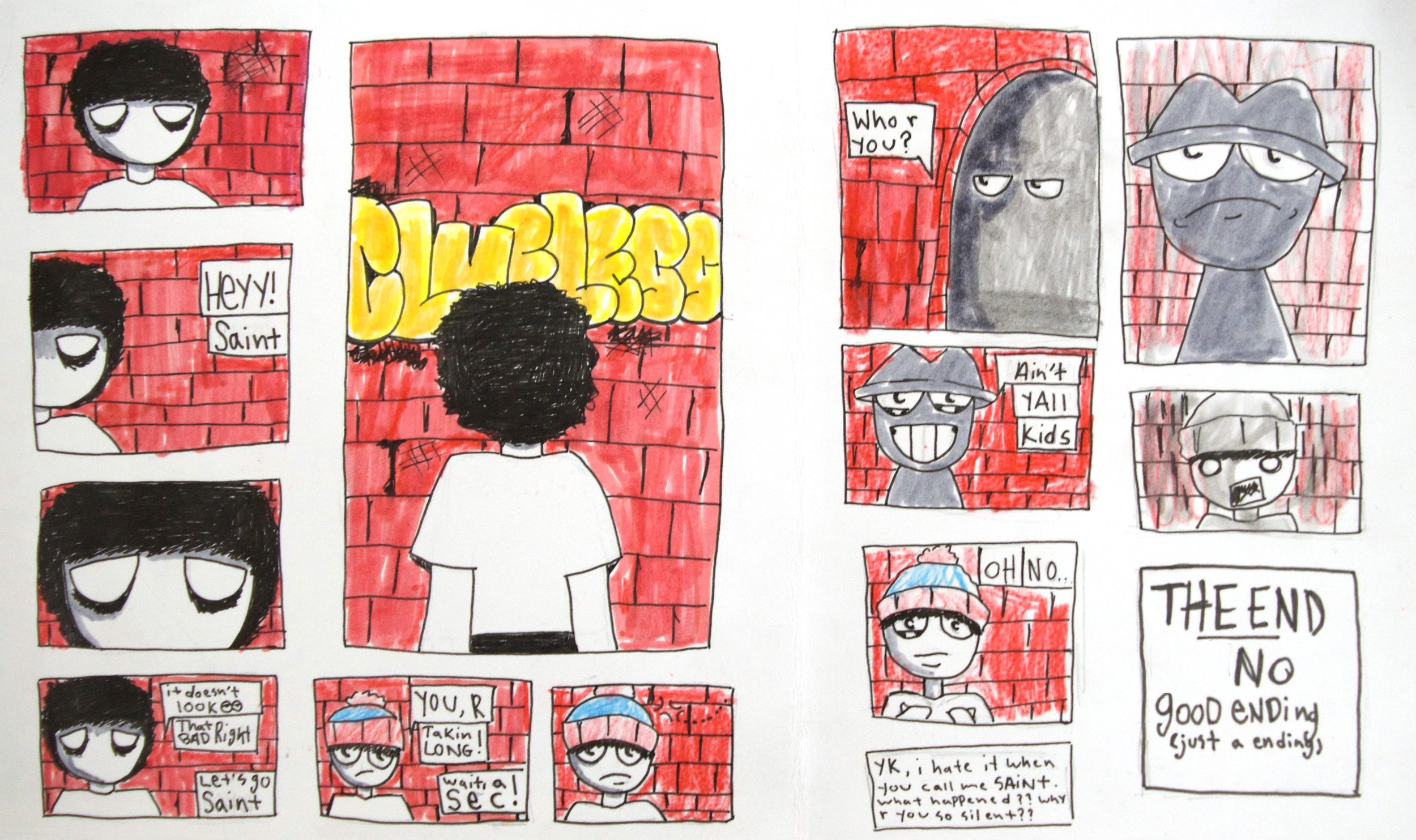
Graphic Novels and the Hero’s Journey: This project challenged students to tell a coherent story without words. The narratives includes a major shift, development, or transformation. Some of the narratives were fictional while others were based on real life experiences.
How do I move off the page and into three dimensions?
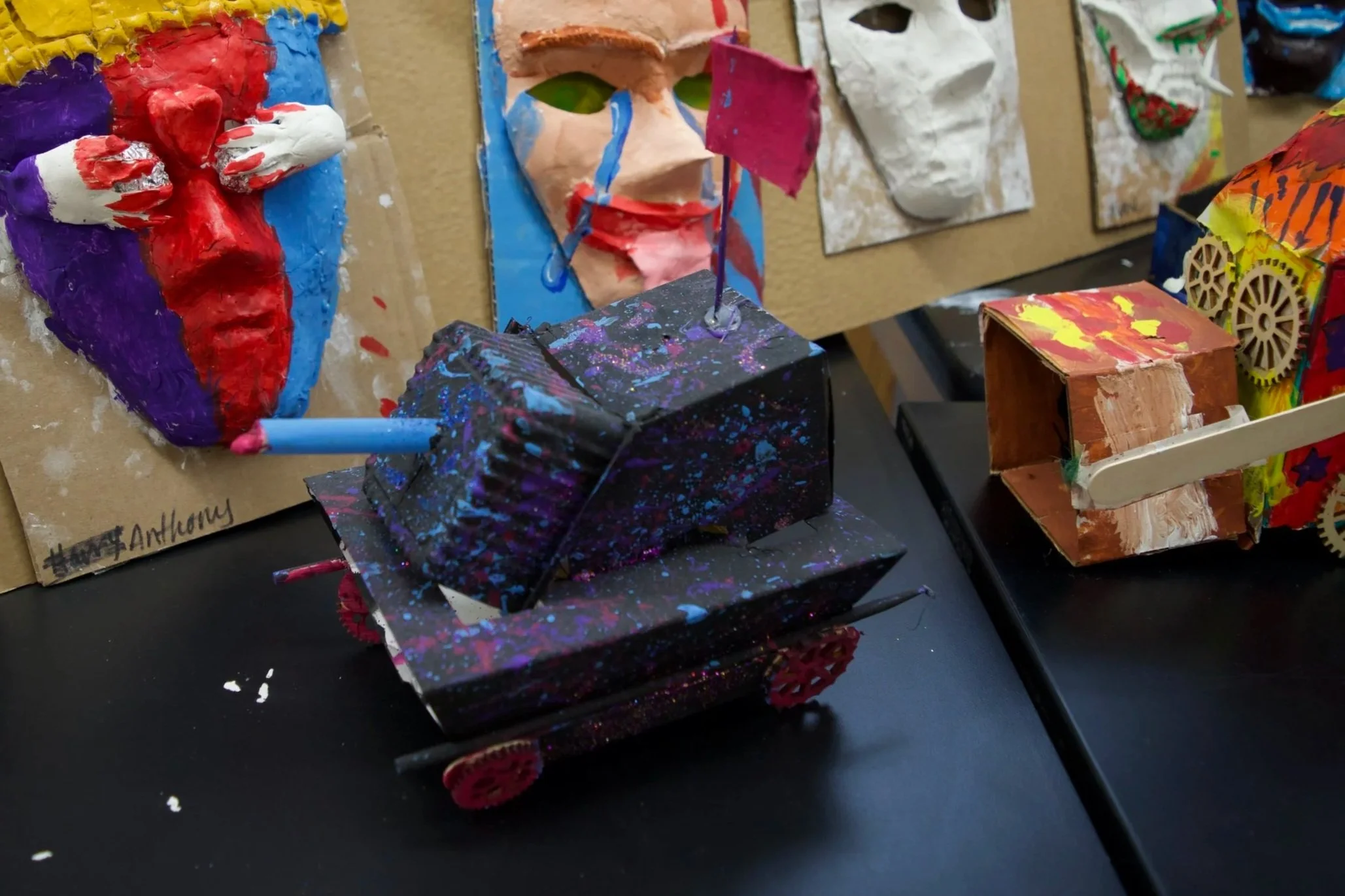
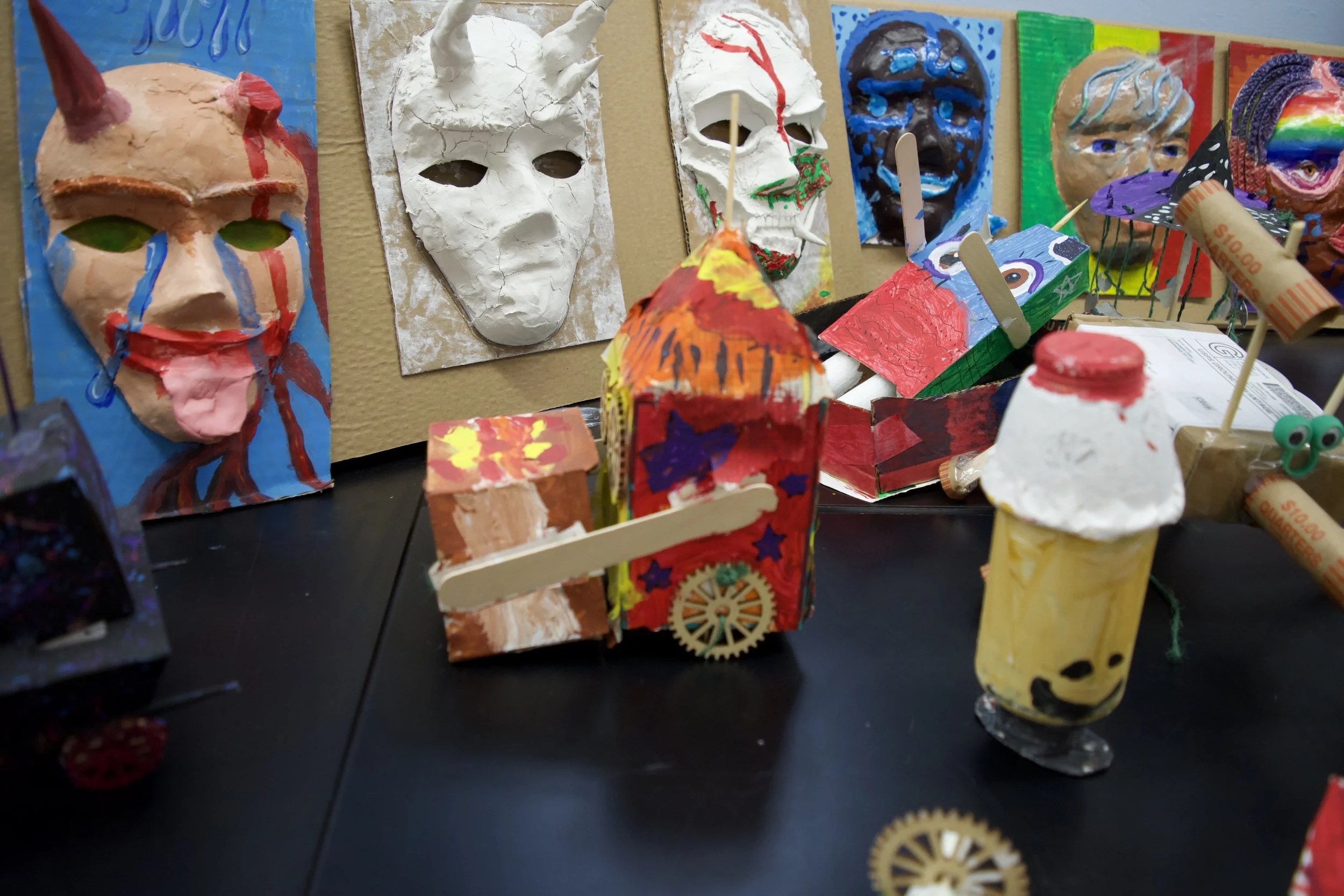
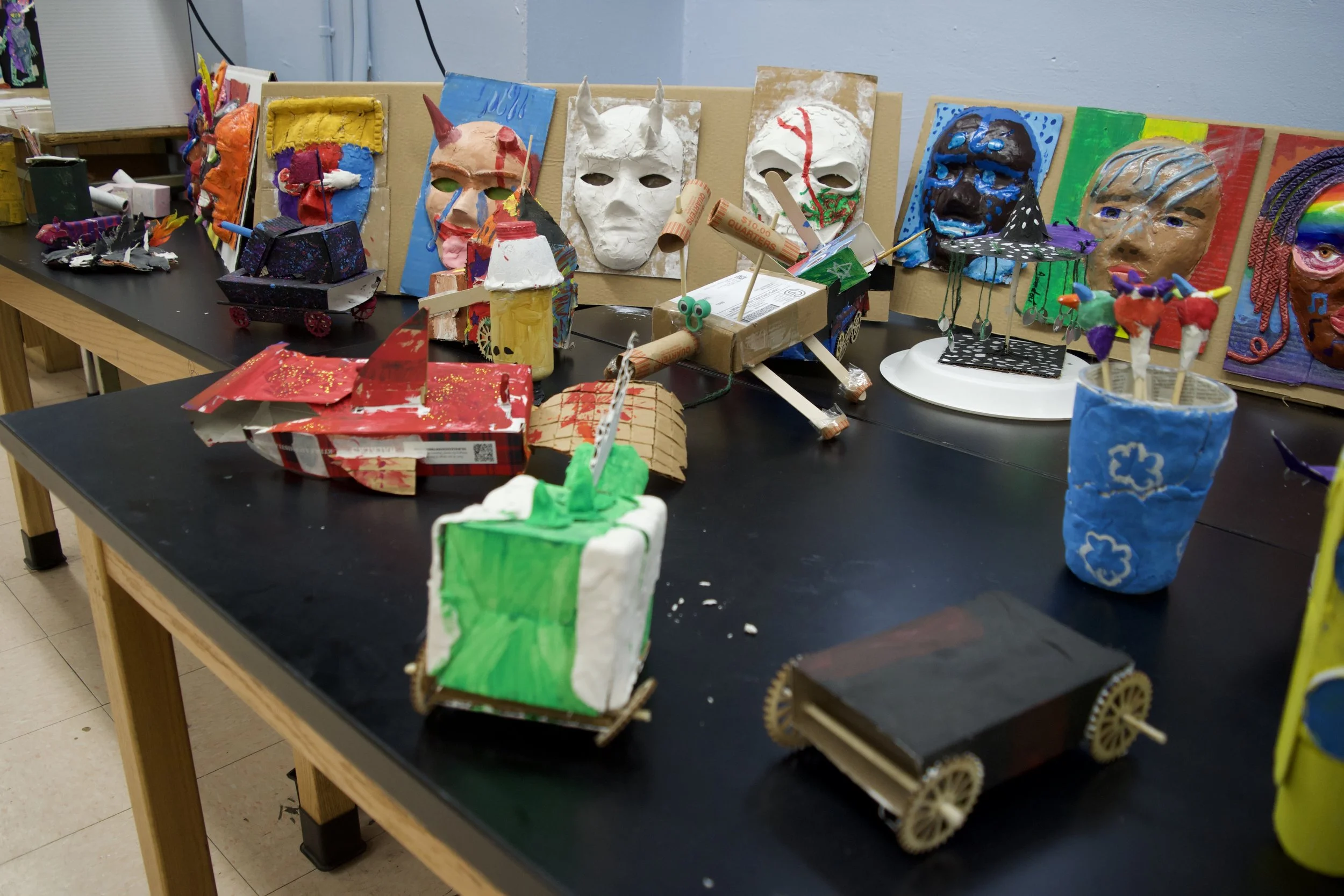
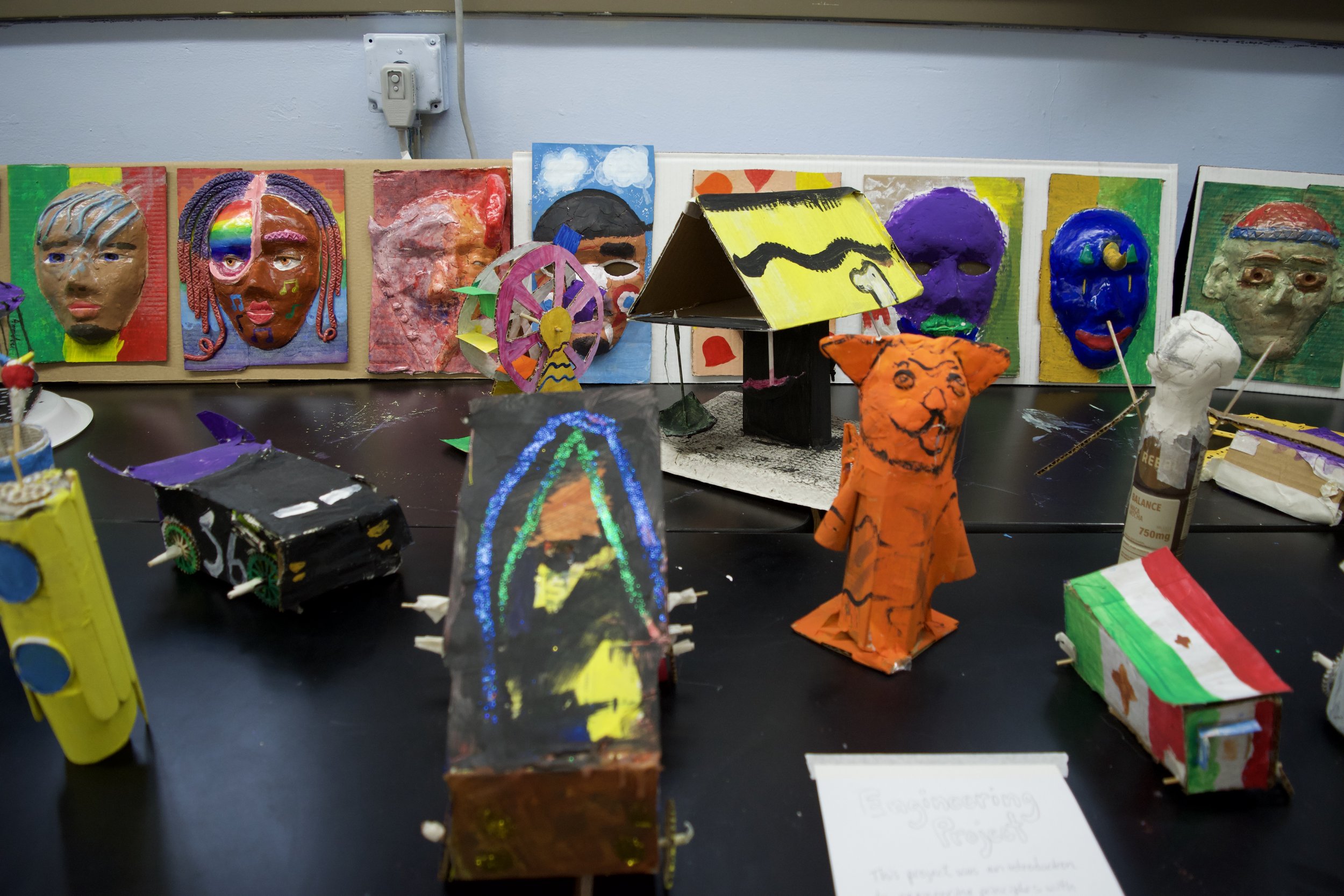
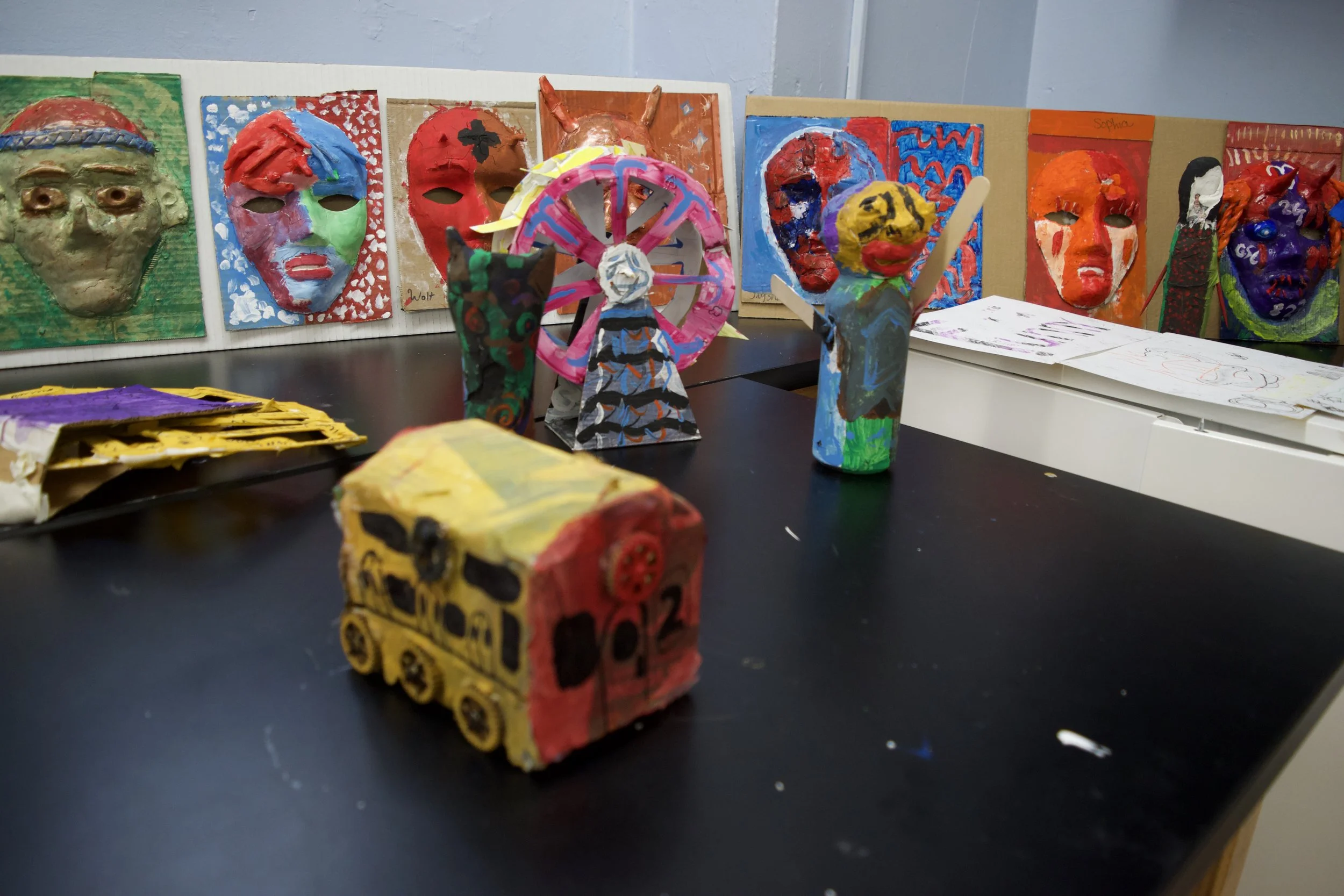
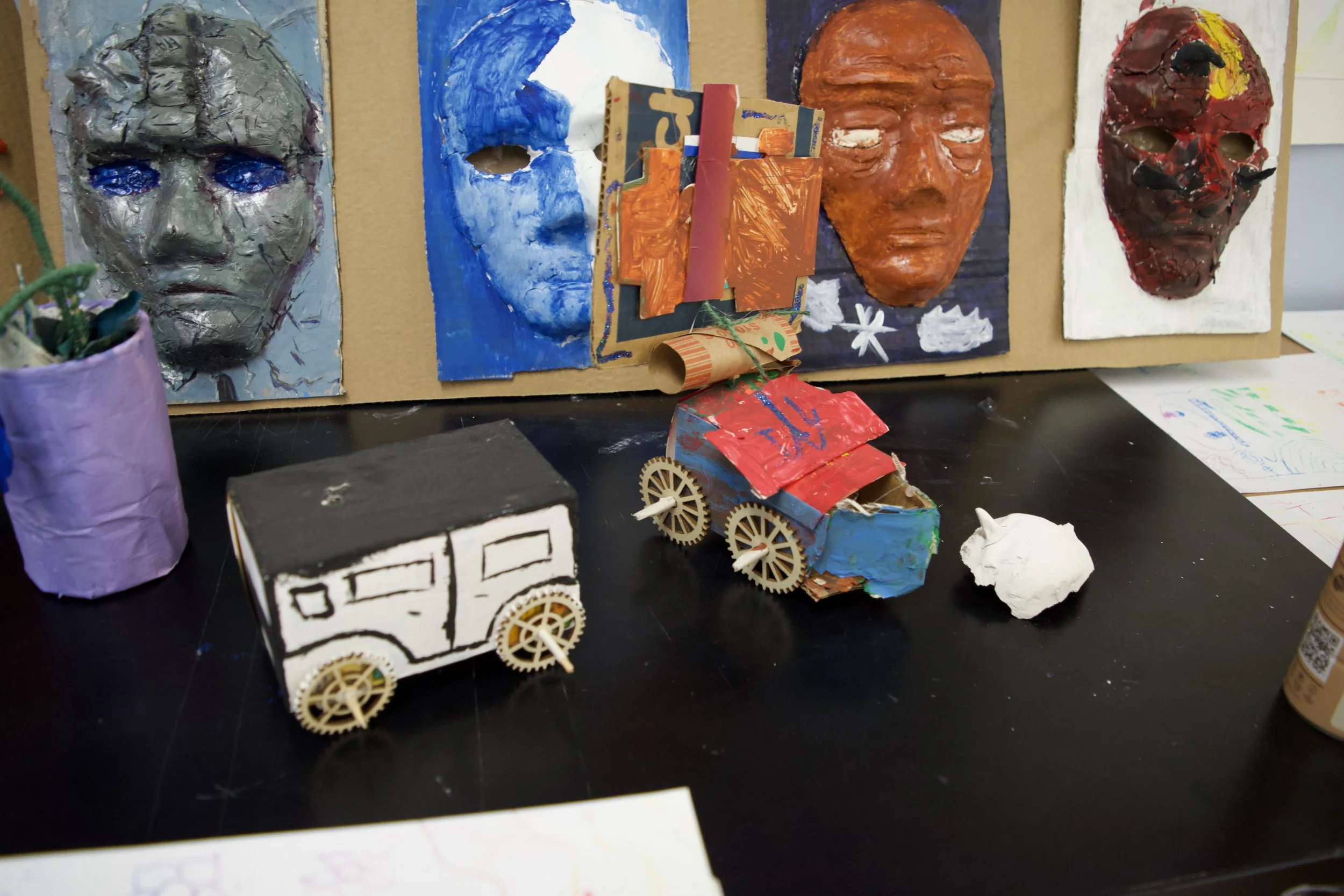
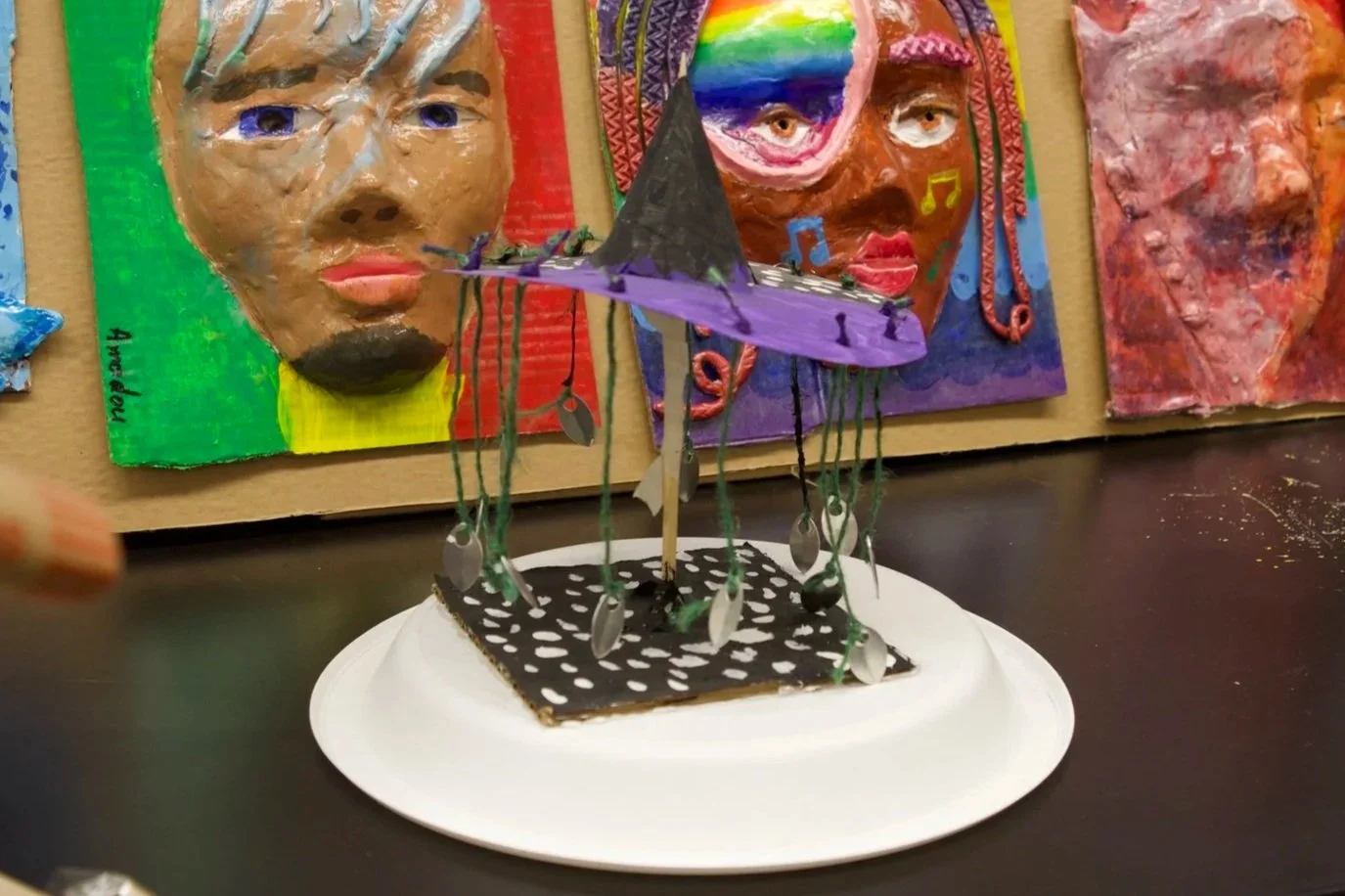
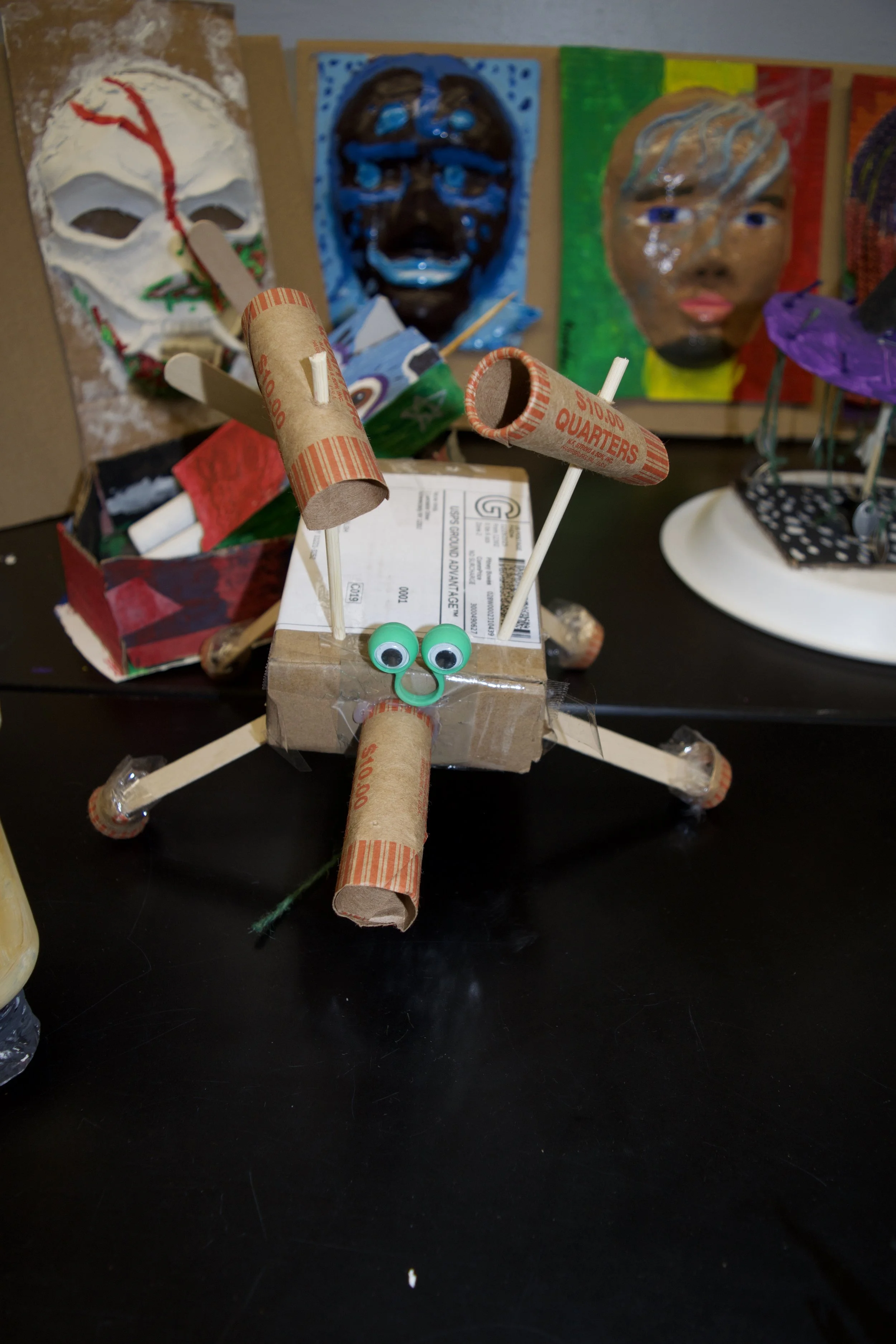
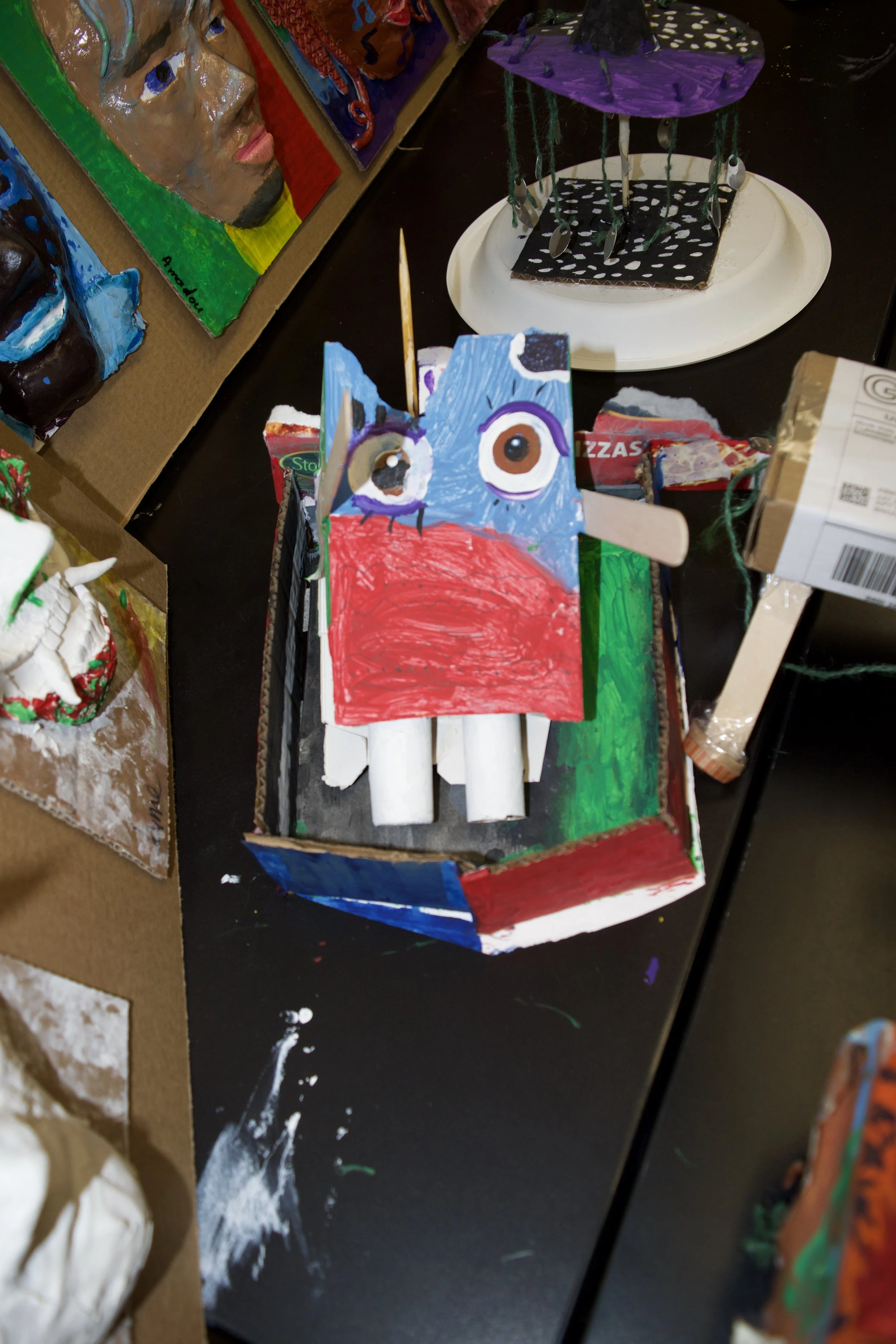
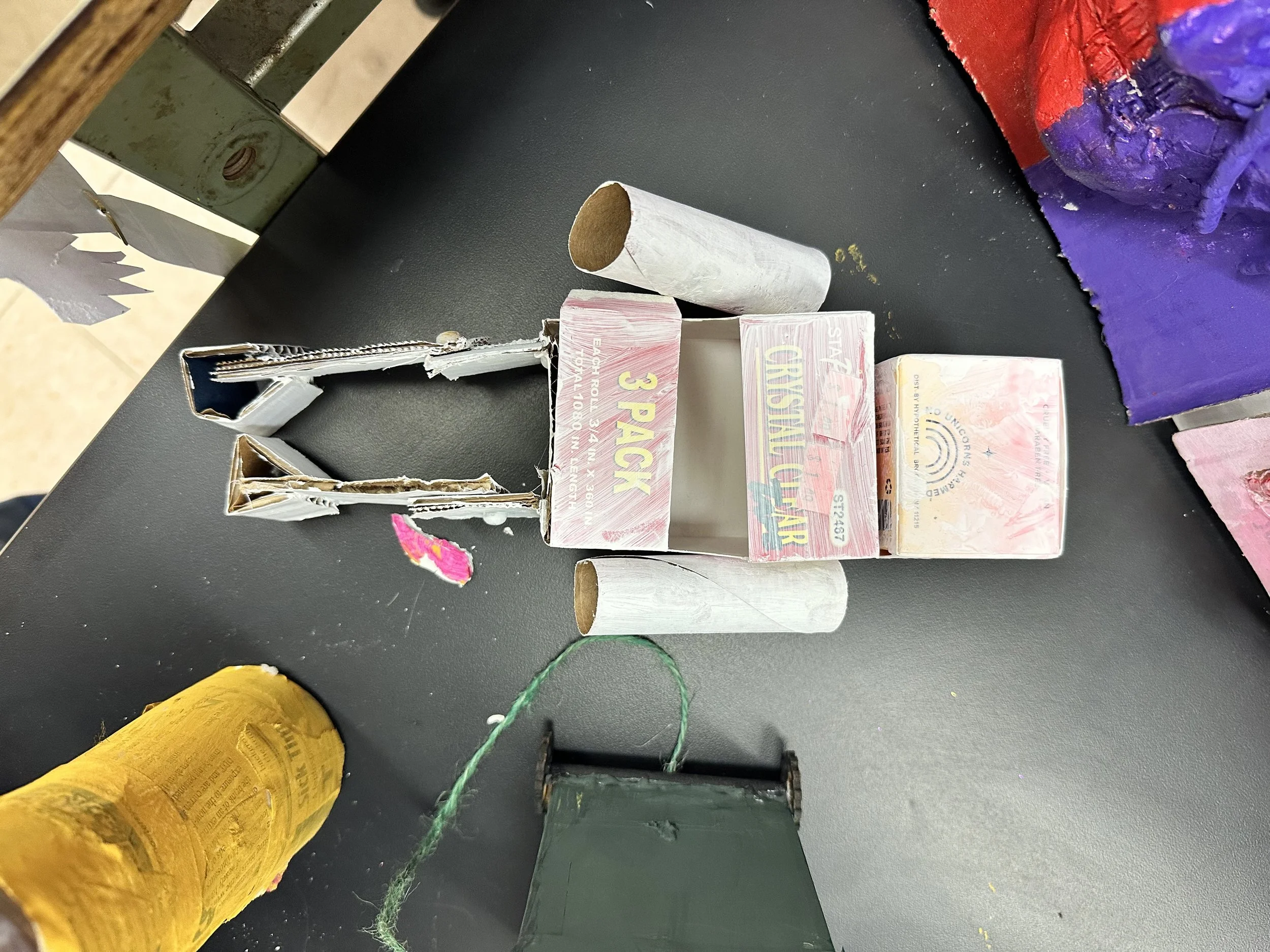
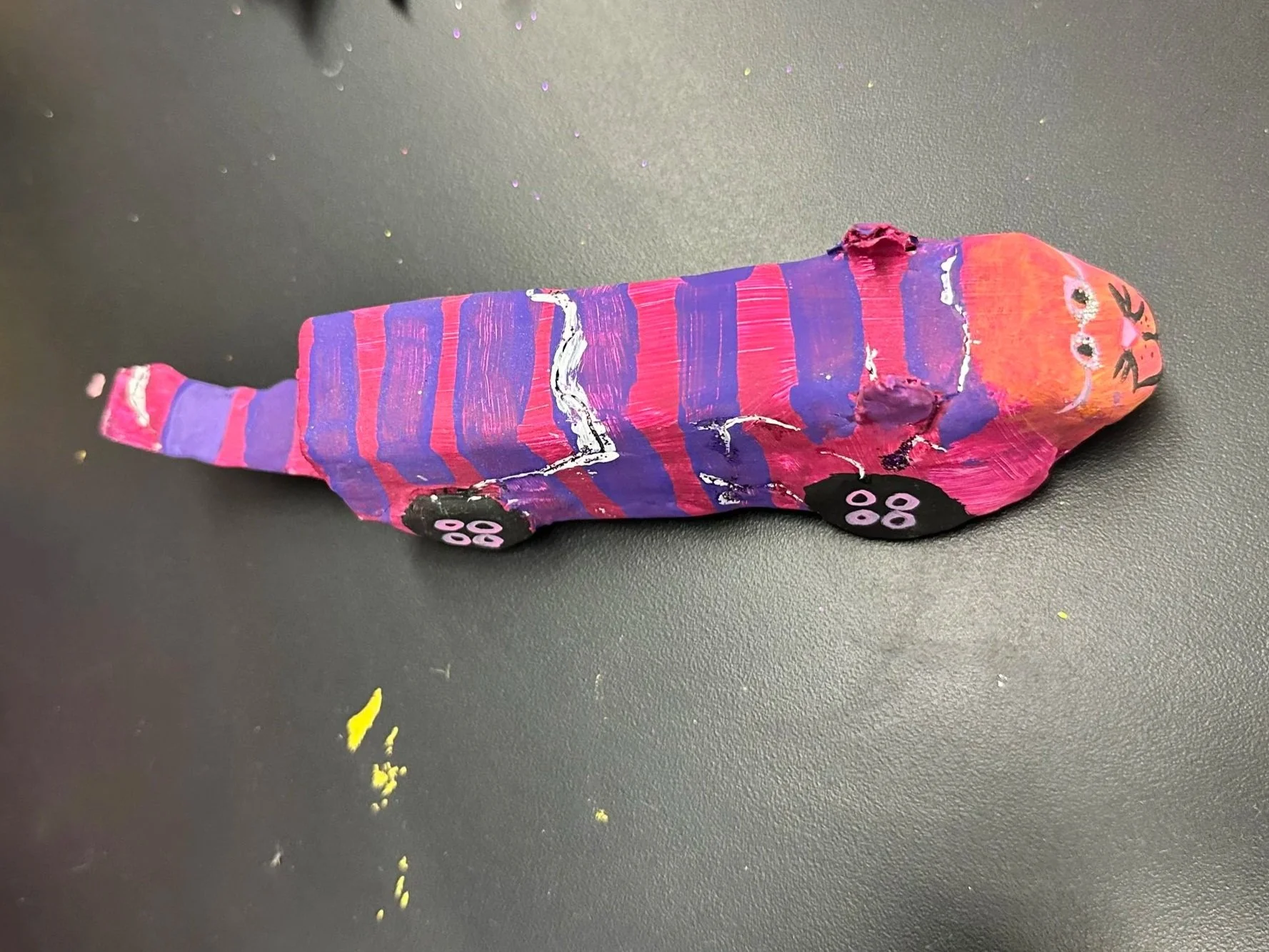
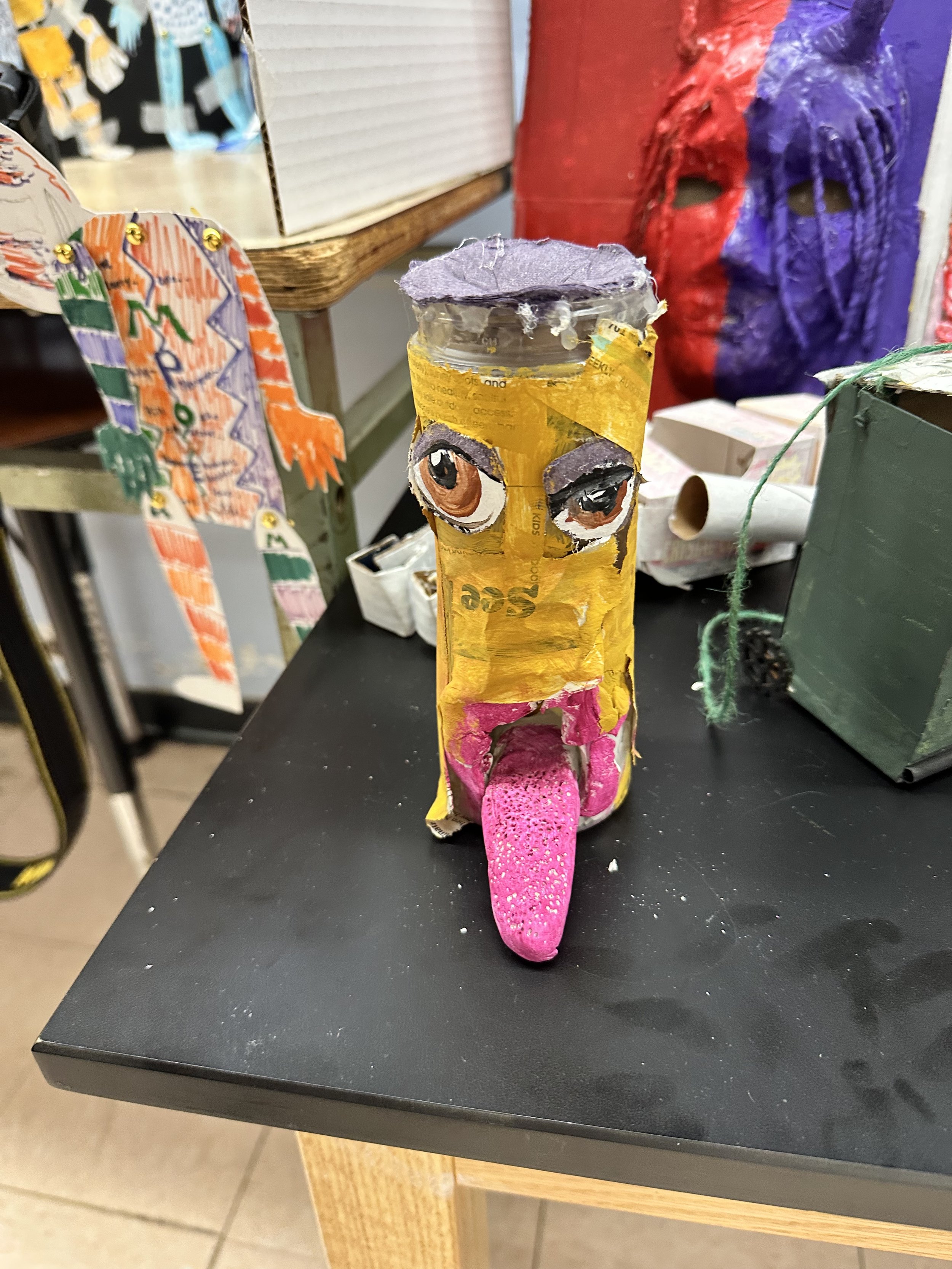
Toy Designs: Part engineering, part sculpture, this project challenged students to create a toy with moving parts using simple materials, including cardboard, wheels, hot glue, paint and found objects.
Metaphorical Masks: For this project, students began with blank masks with a neutral expression and used clay, paint, and found objects to transform them into symbolic representation of the hidden emotions, psychological states, or external personas, or even abstract concepts.
“Abby really pours herself into her work. She enjoys the challenge of creating new lesson plans. But her greatest strength is her ability to build authentic connections with her students. She is particularly good at motivating and inspiring disengaged students.”
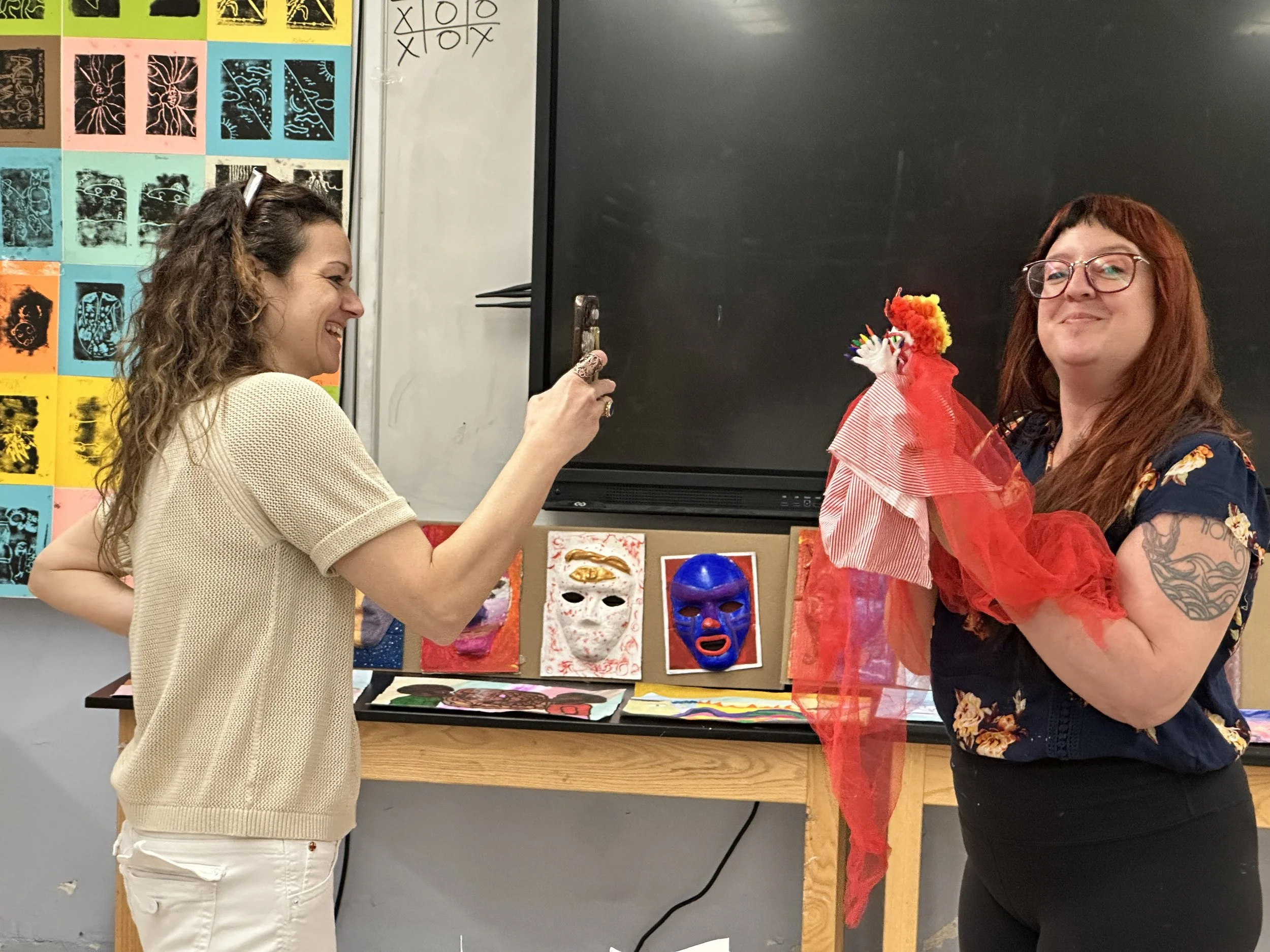
CAW Senior Manger of Teaching & Learning Riki Sabel photographs Teaching Artist Abby Walsh at the HHSLT student gallery opening
As students moved through the gallery, proudly talking about their own art and genuinely appreciating the work of their peers, it became clear that each piece reflected a year of self-discovery and interpersonal growth. By making art centered on themes of self-expression and social-emotional learning, students came away with a stronger sense of who they are, what they value, and how they want to show up in the world.
Selections from the Gallery
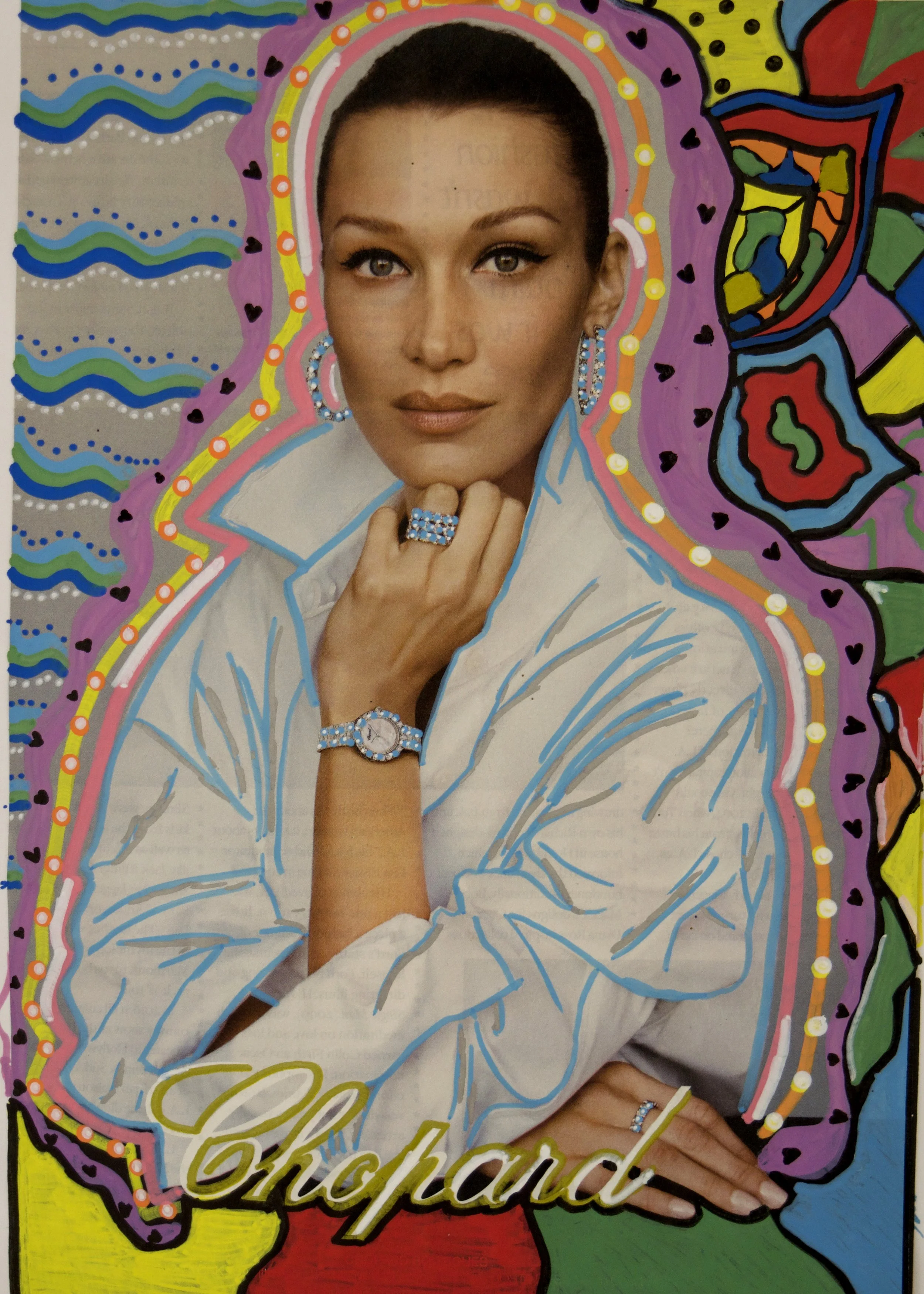
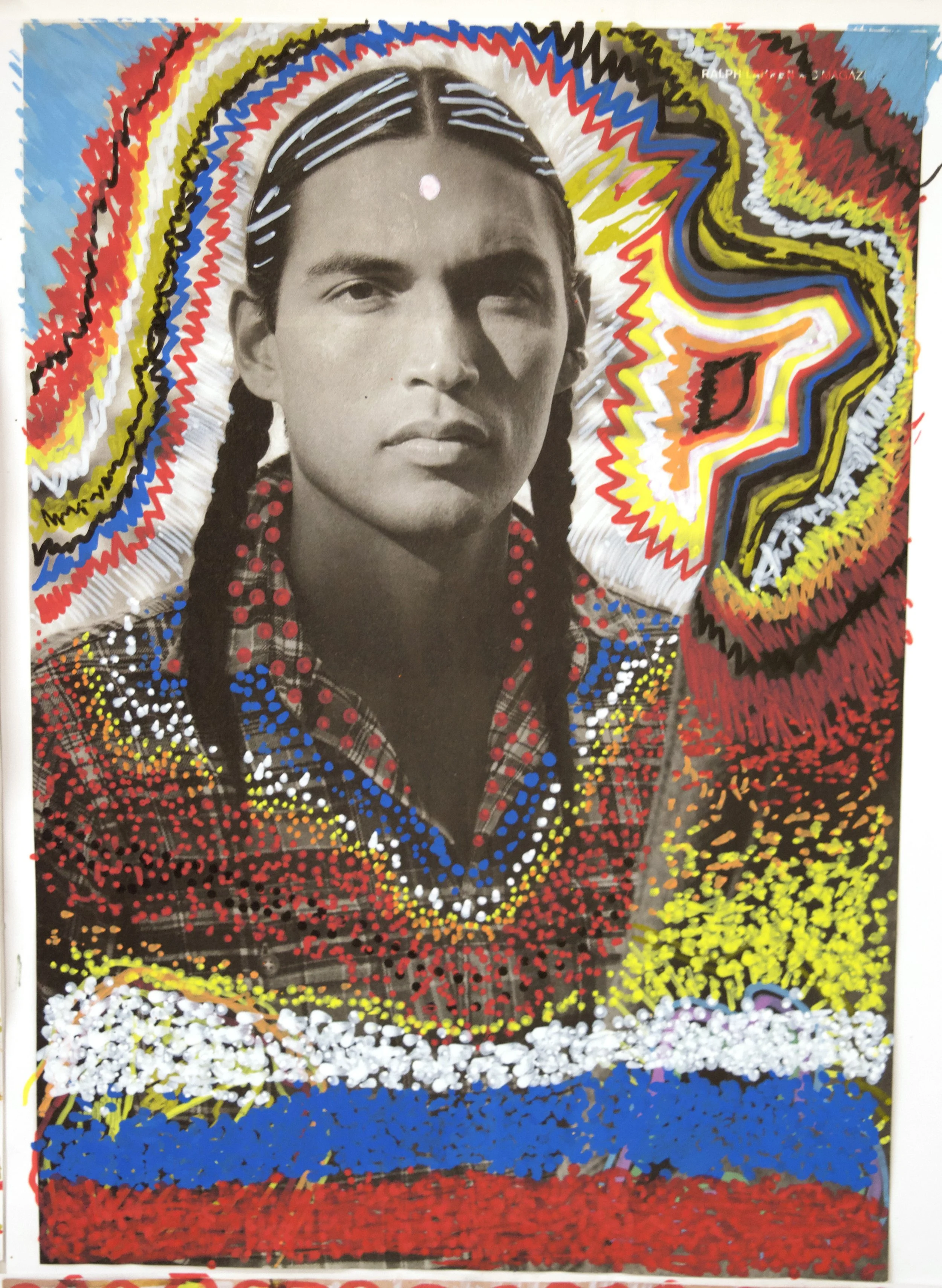
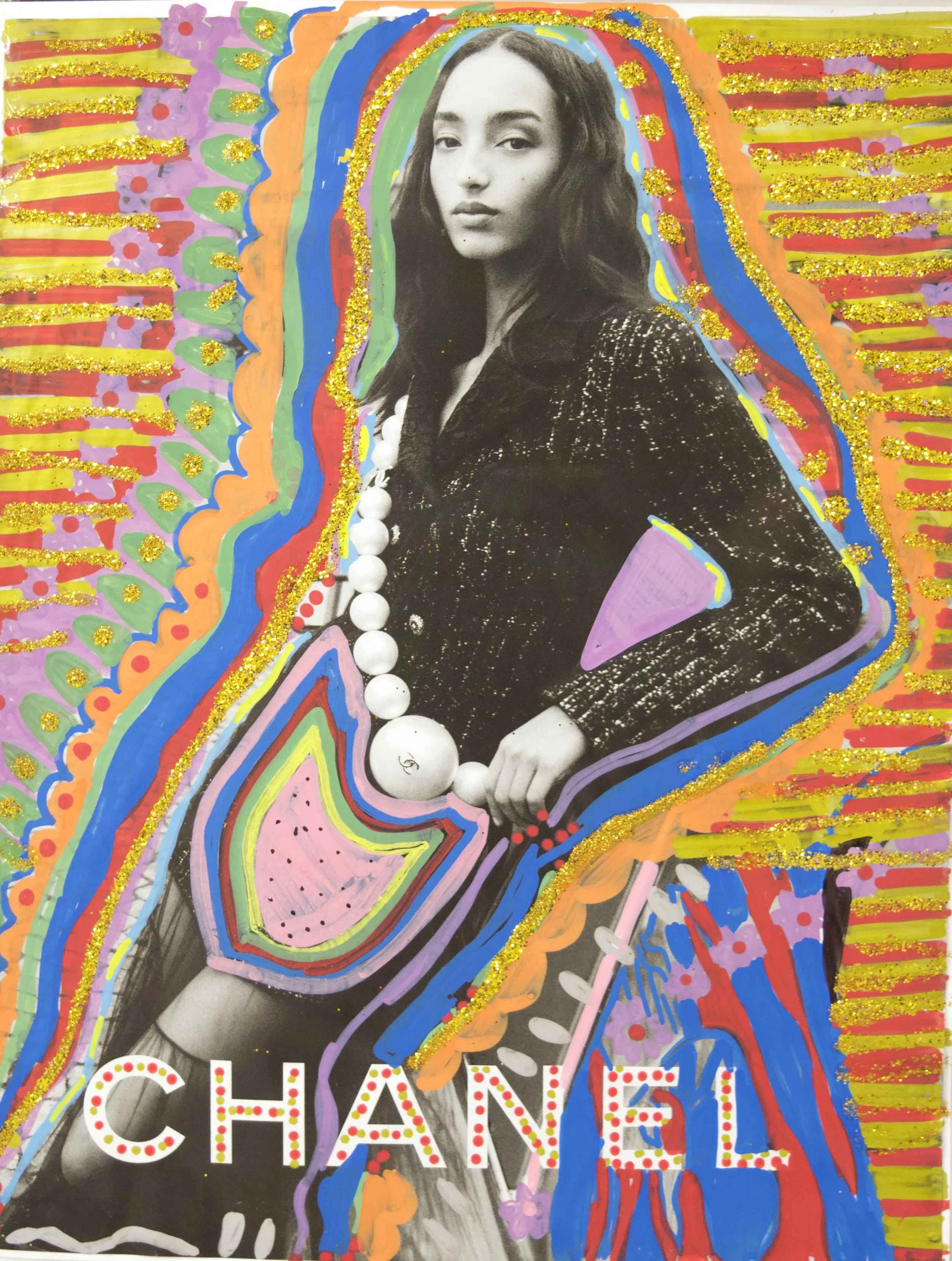
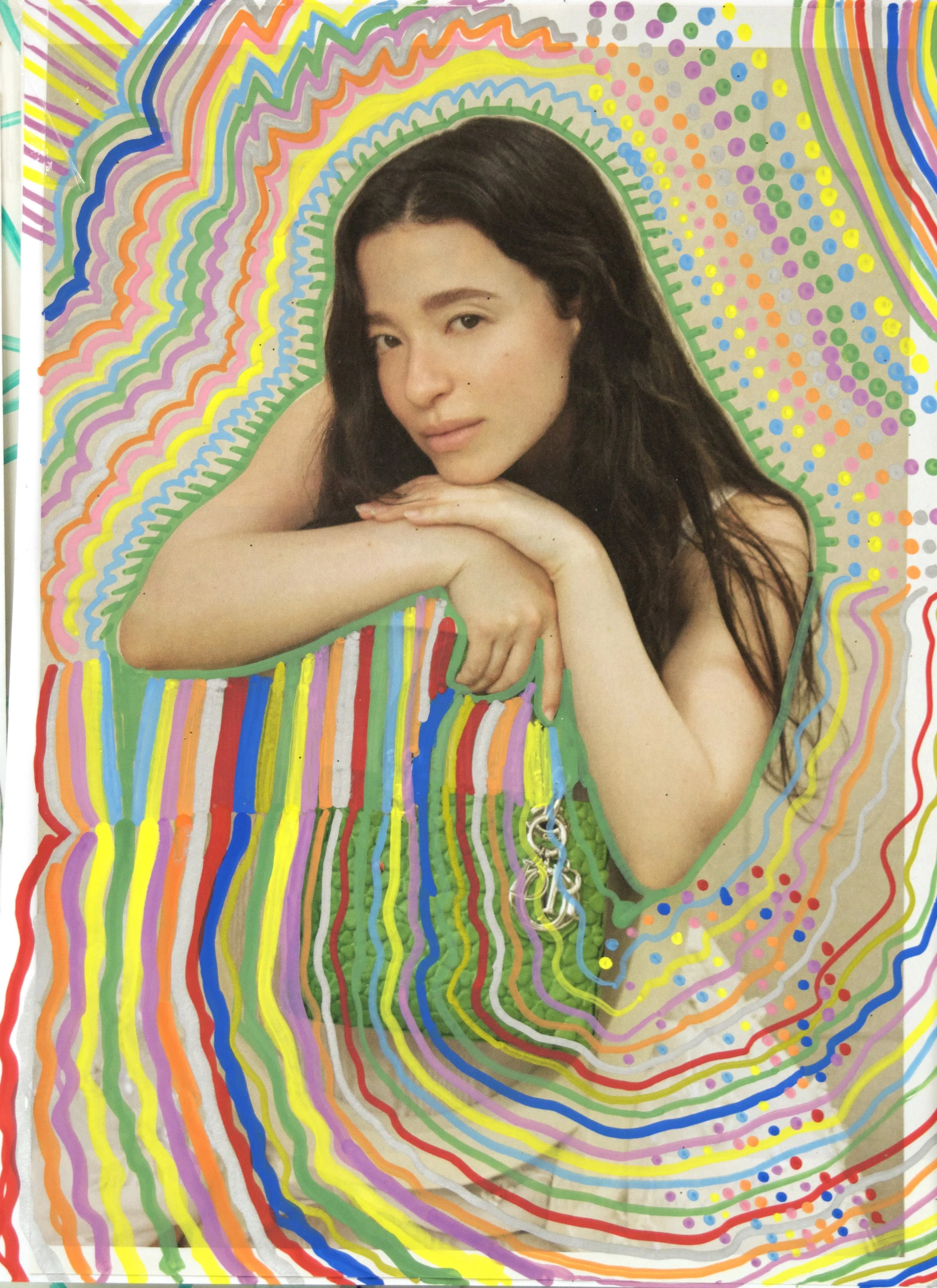
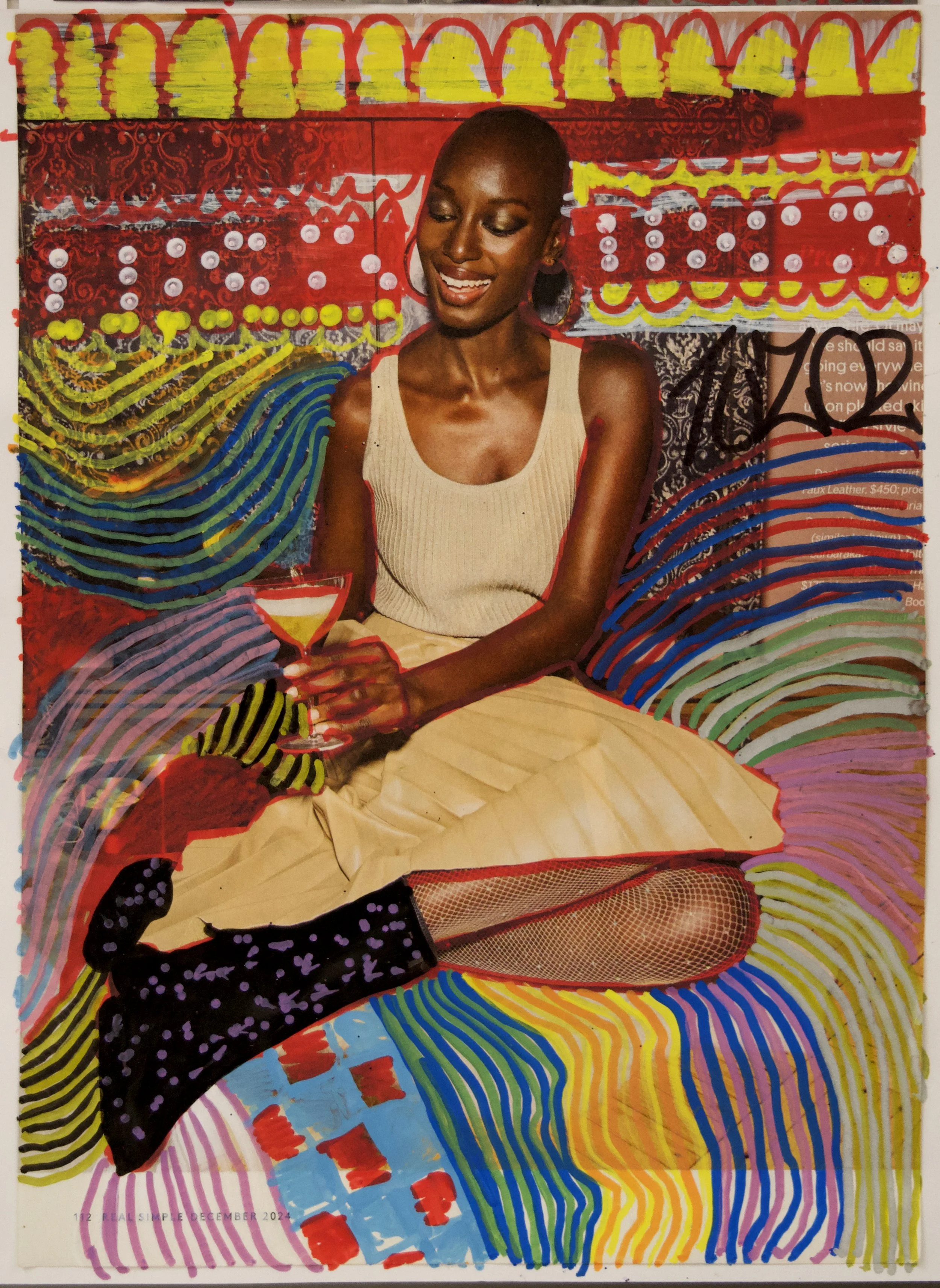
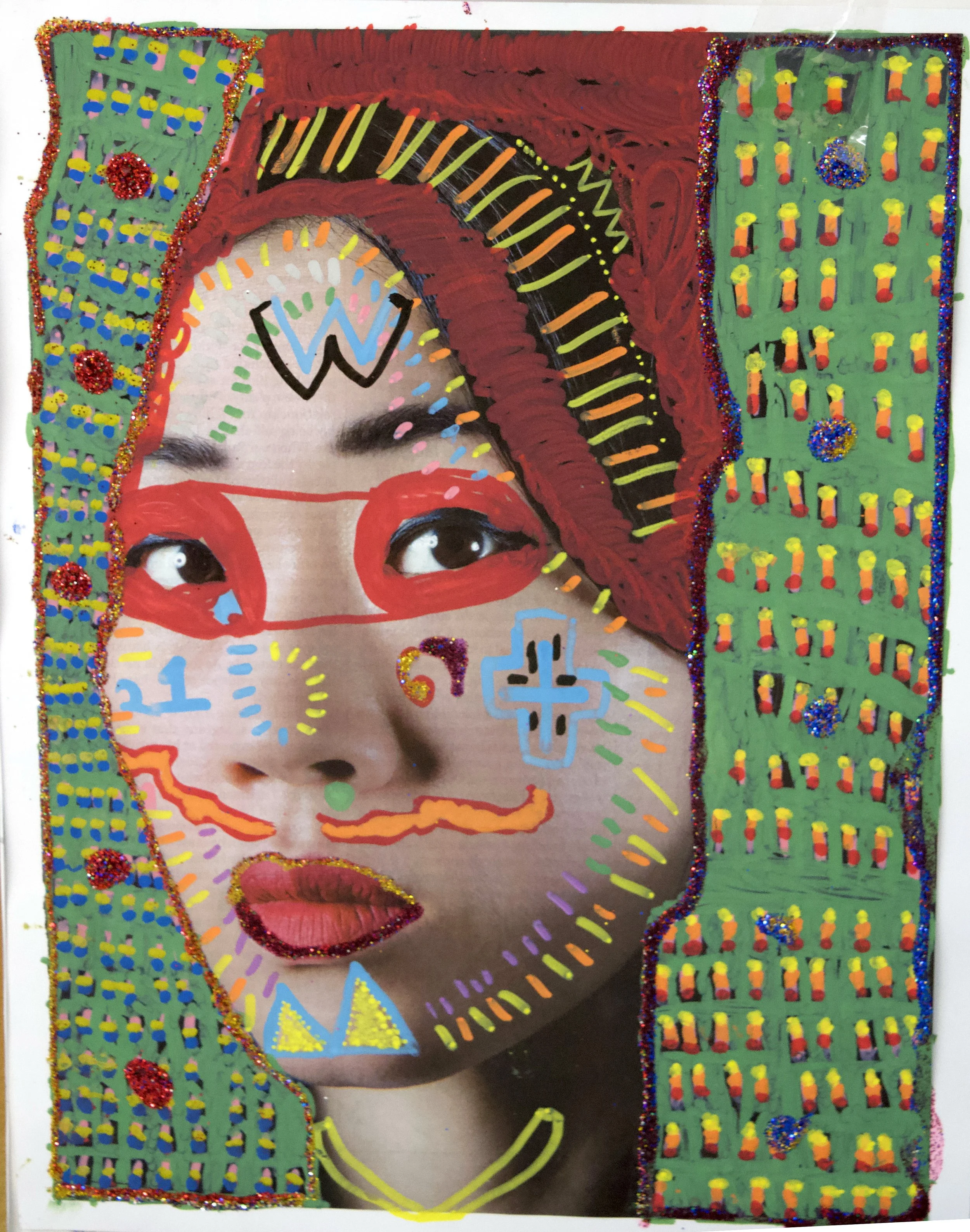
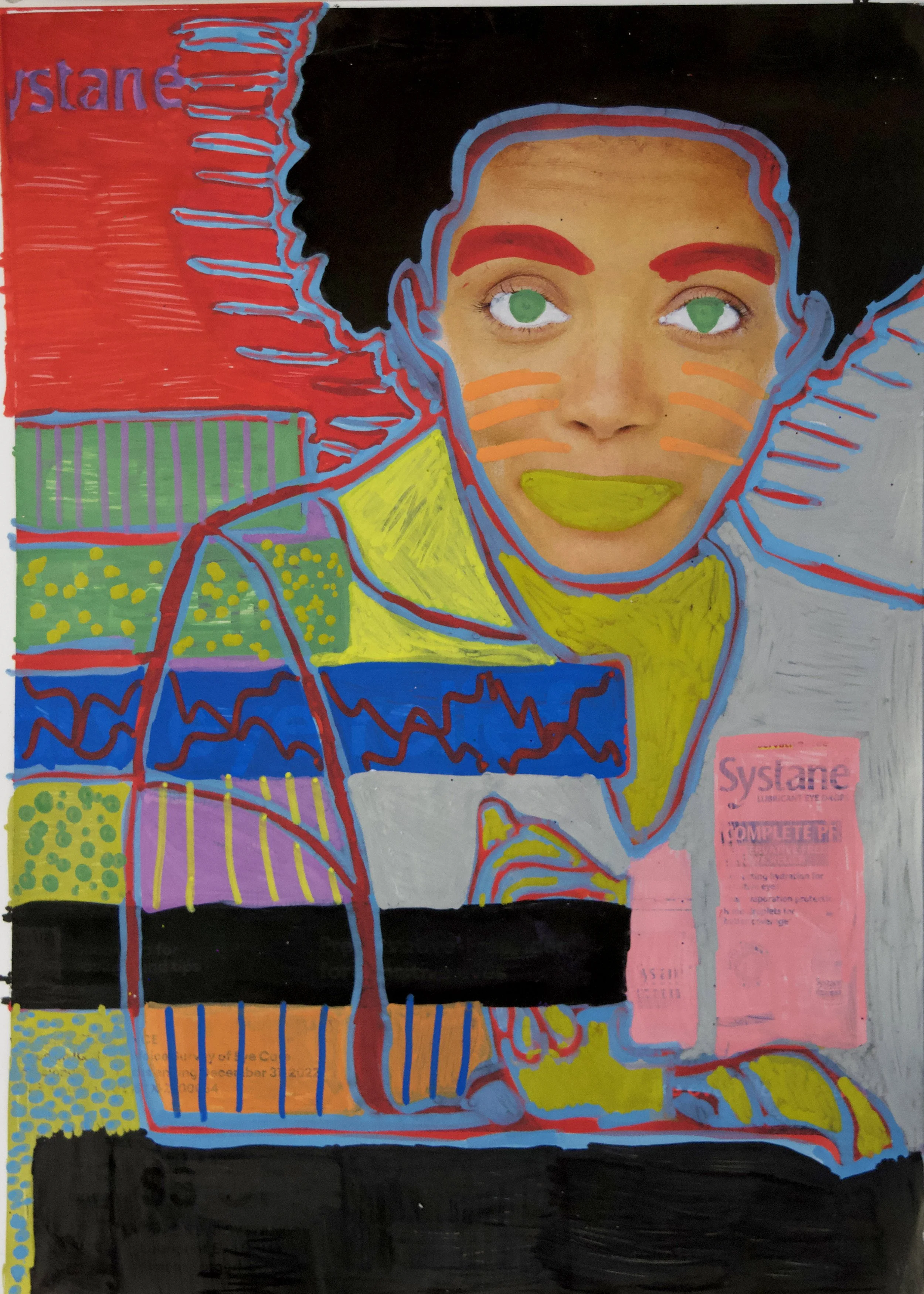
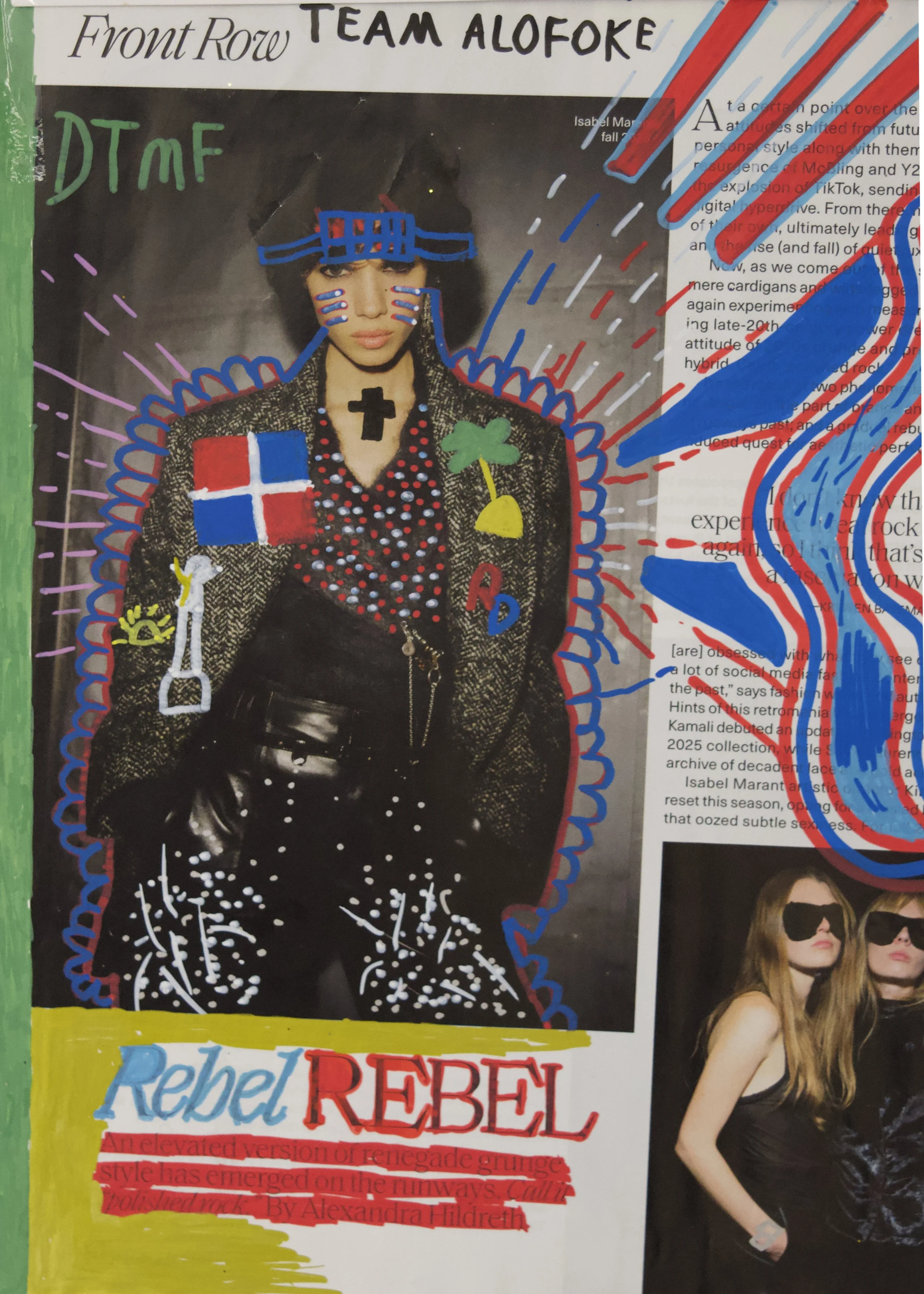
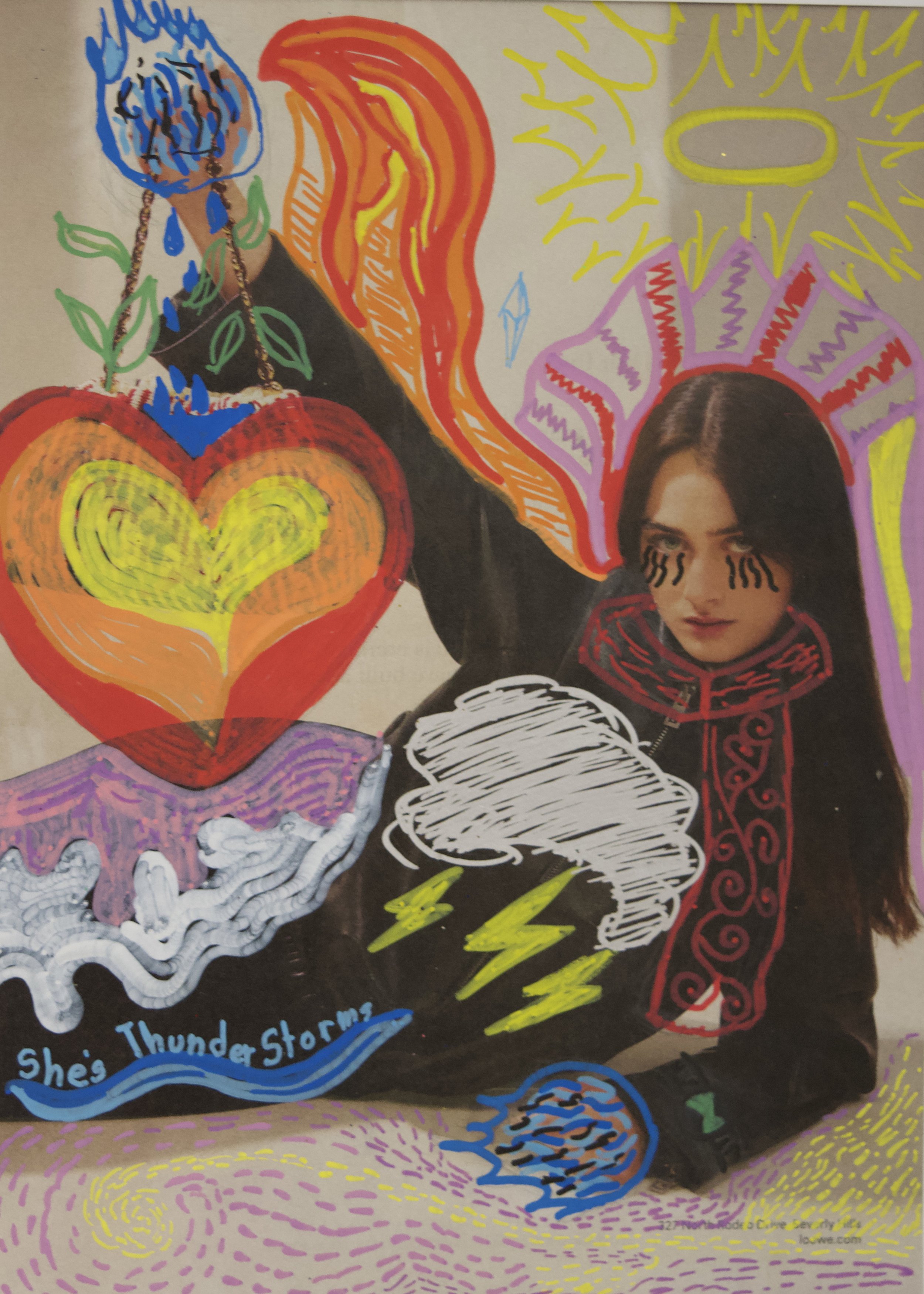
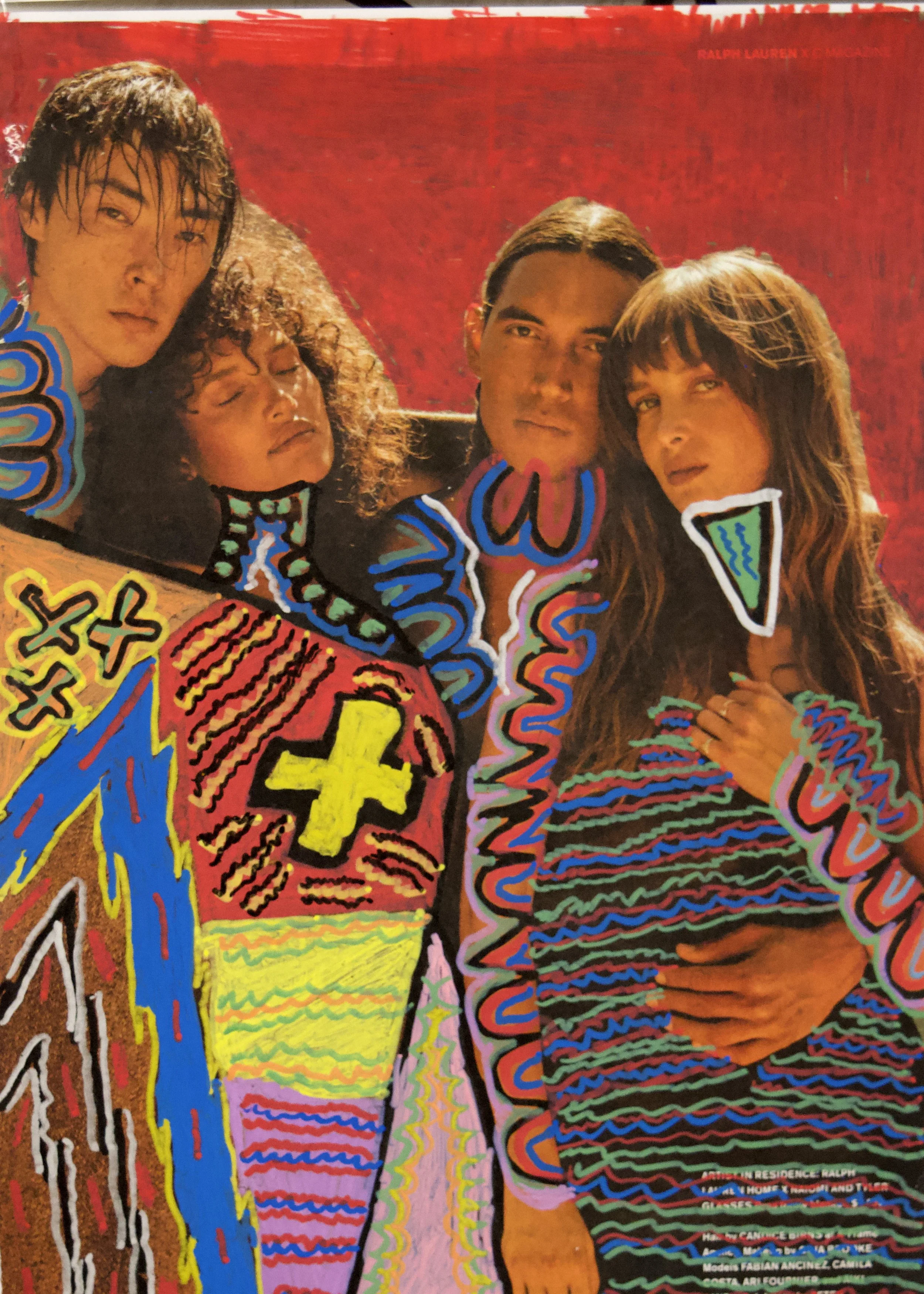
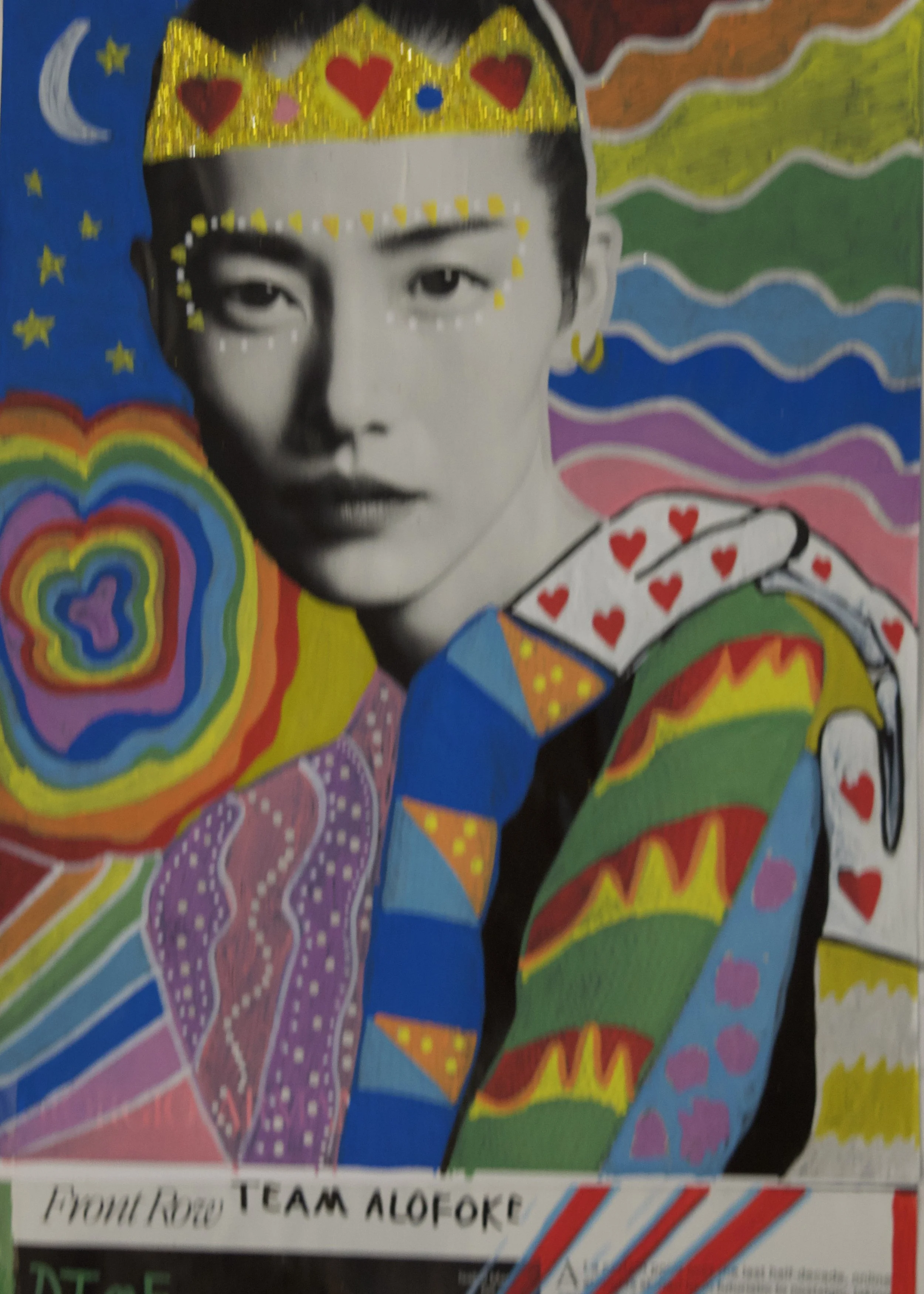
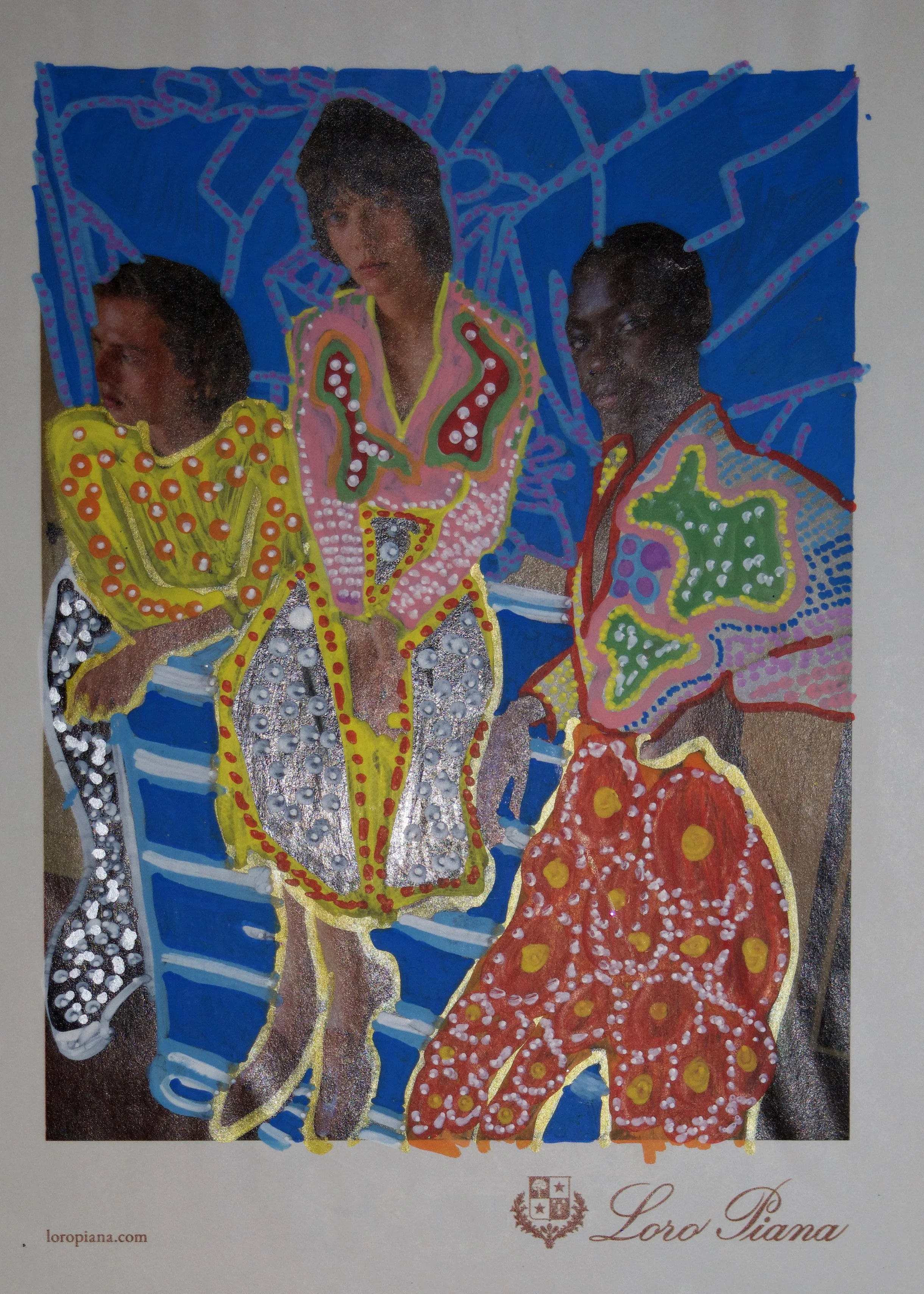
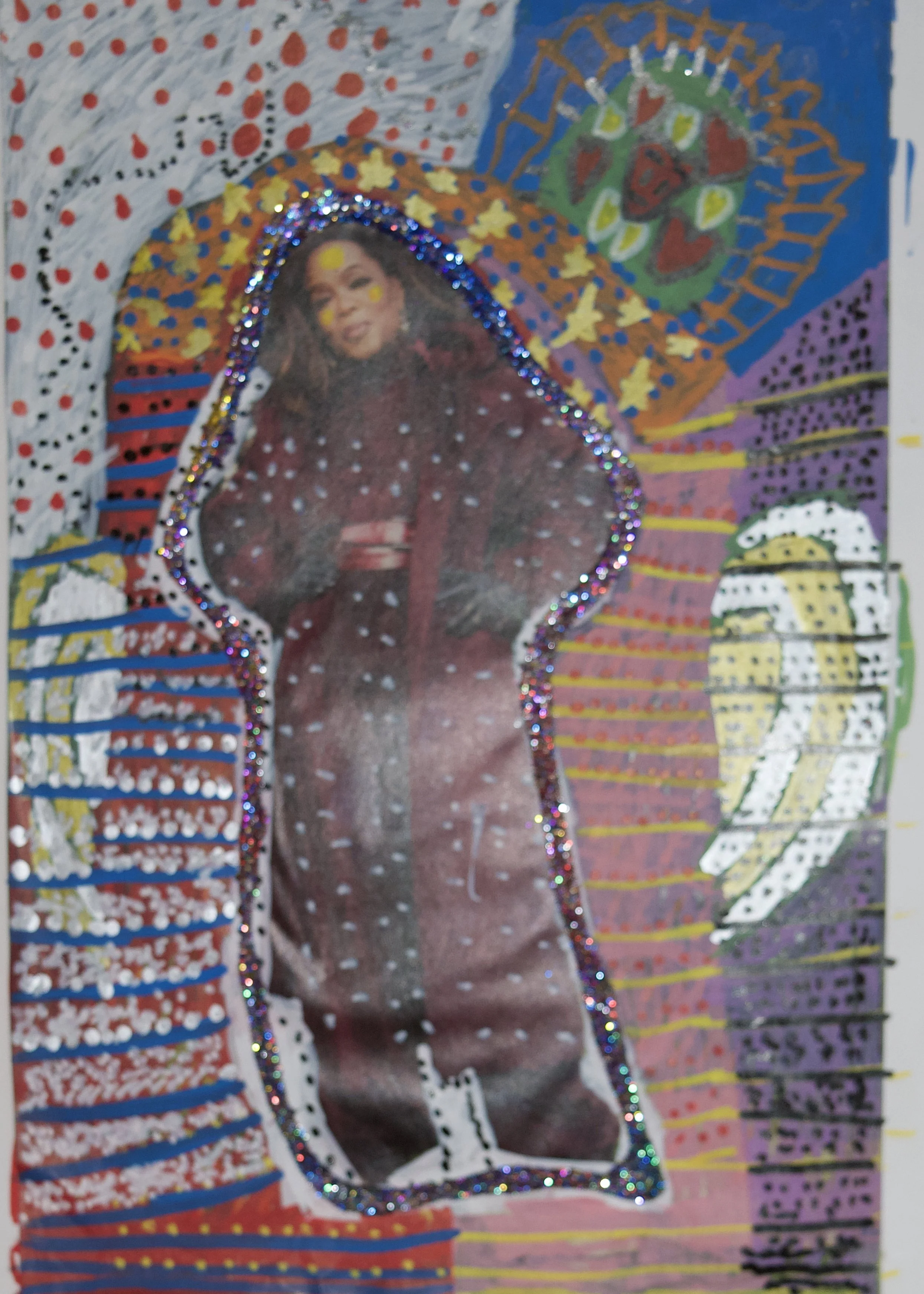
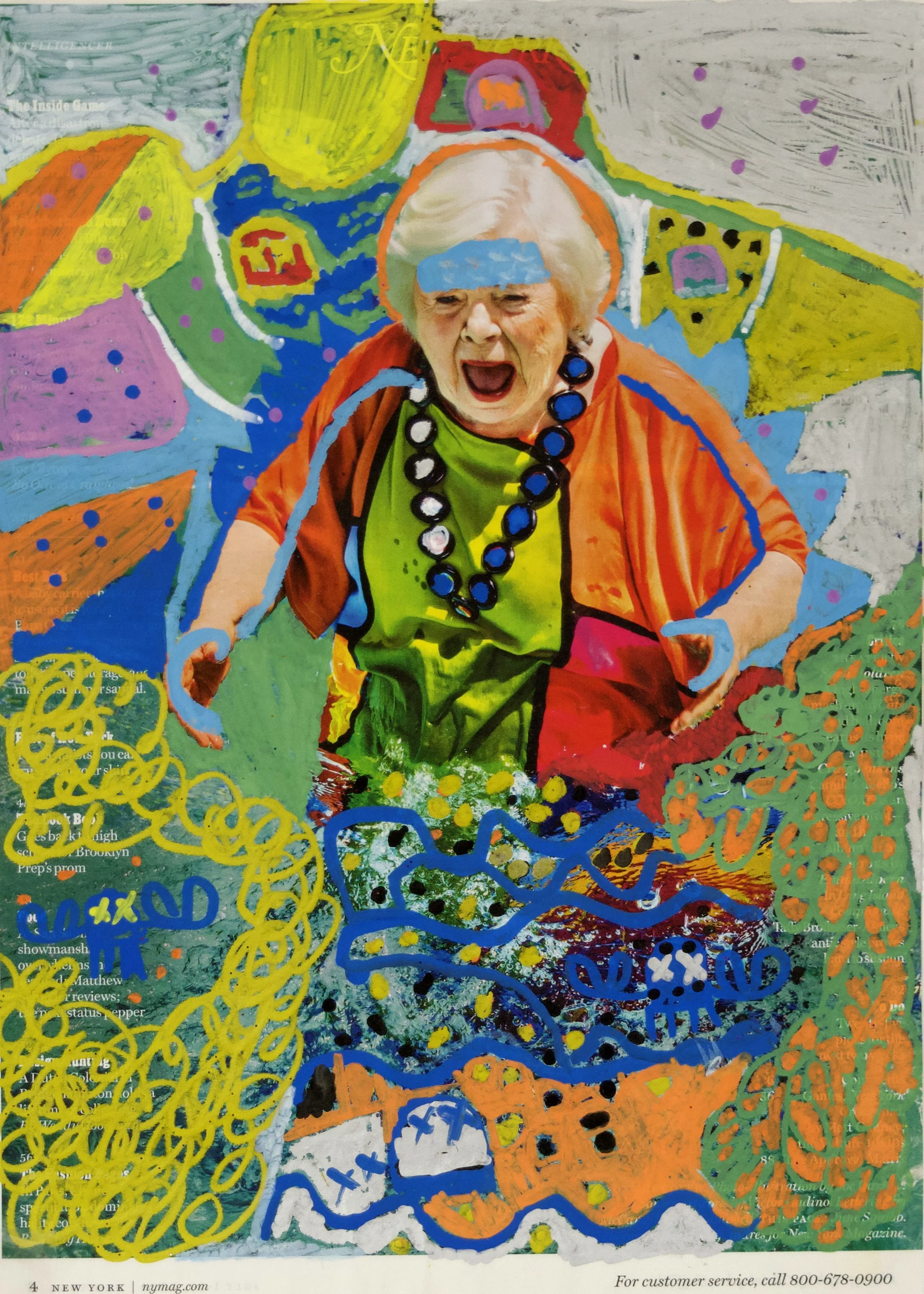
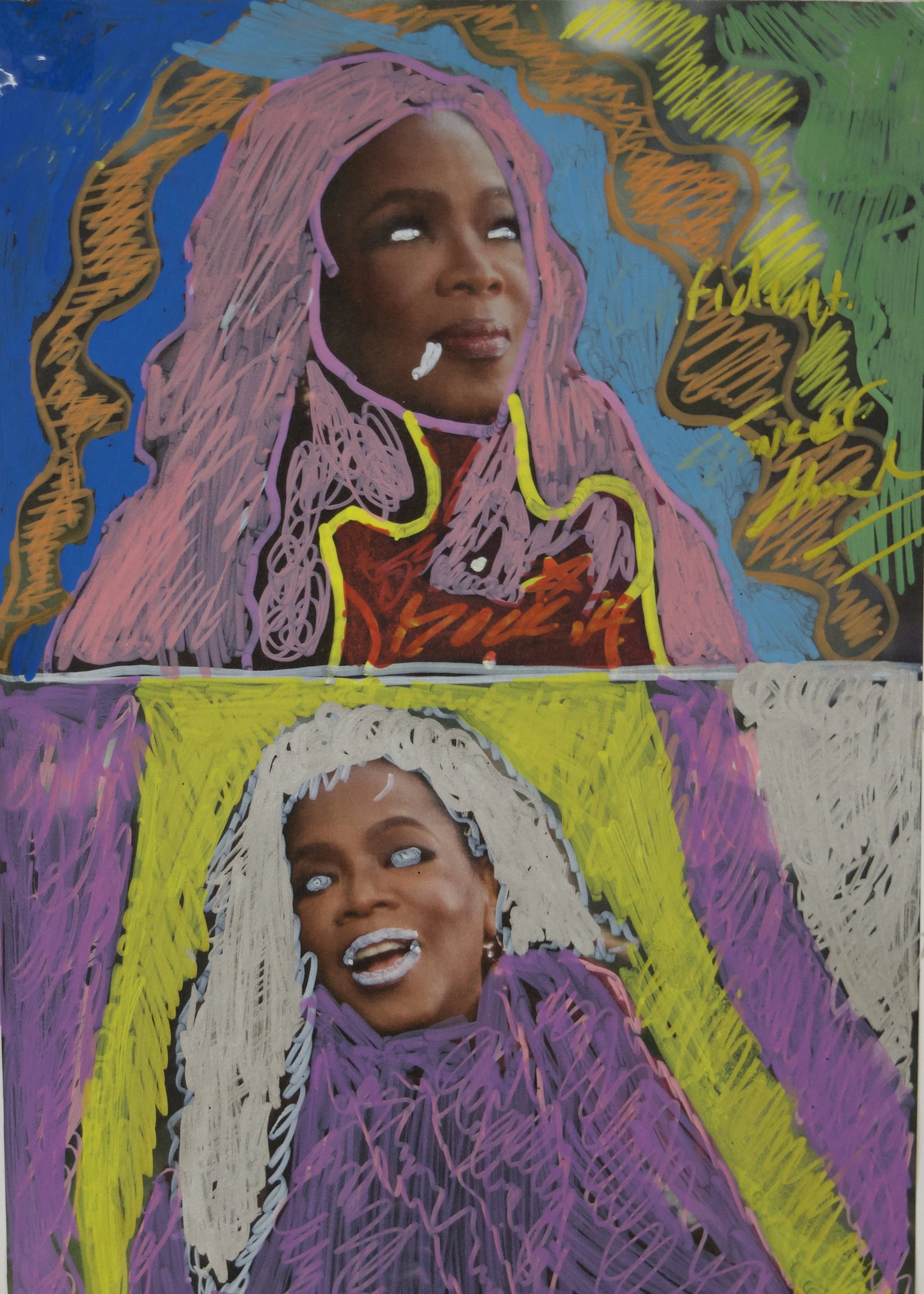
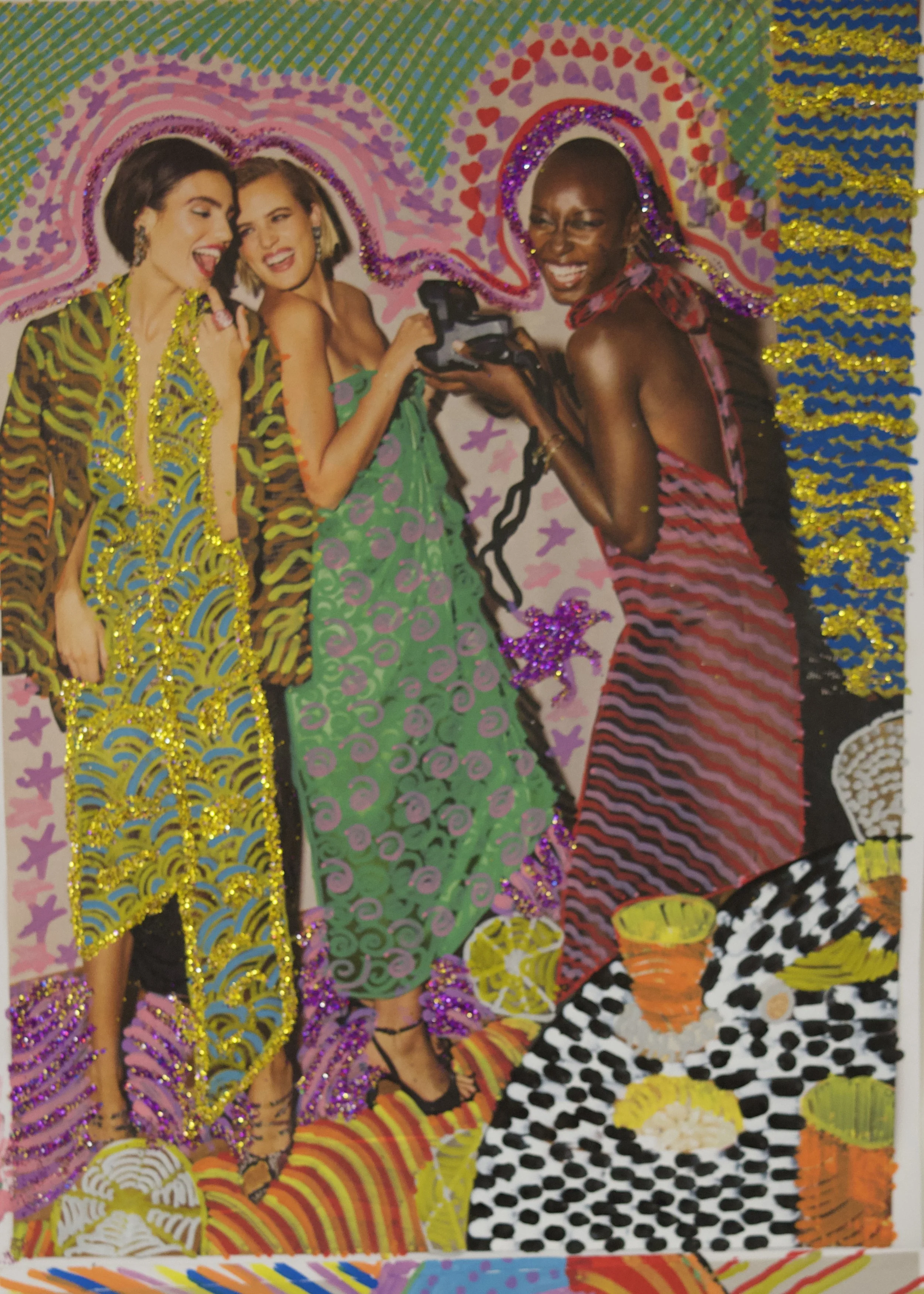
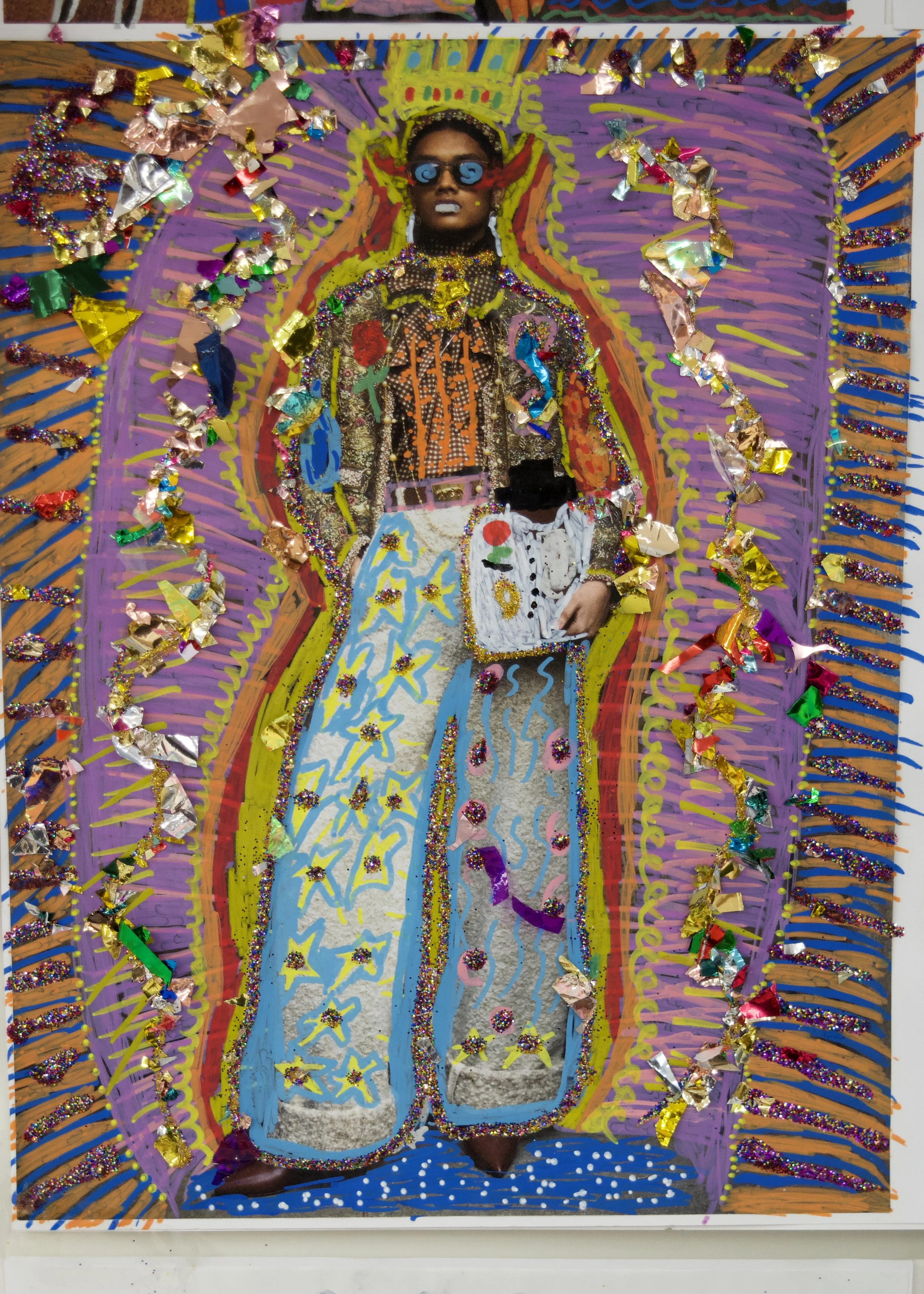
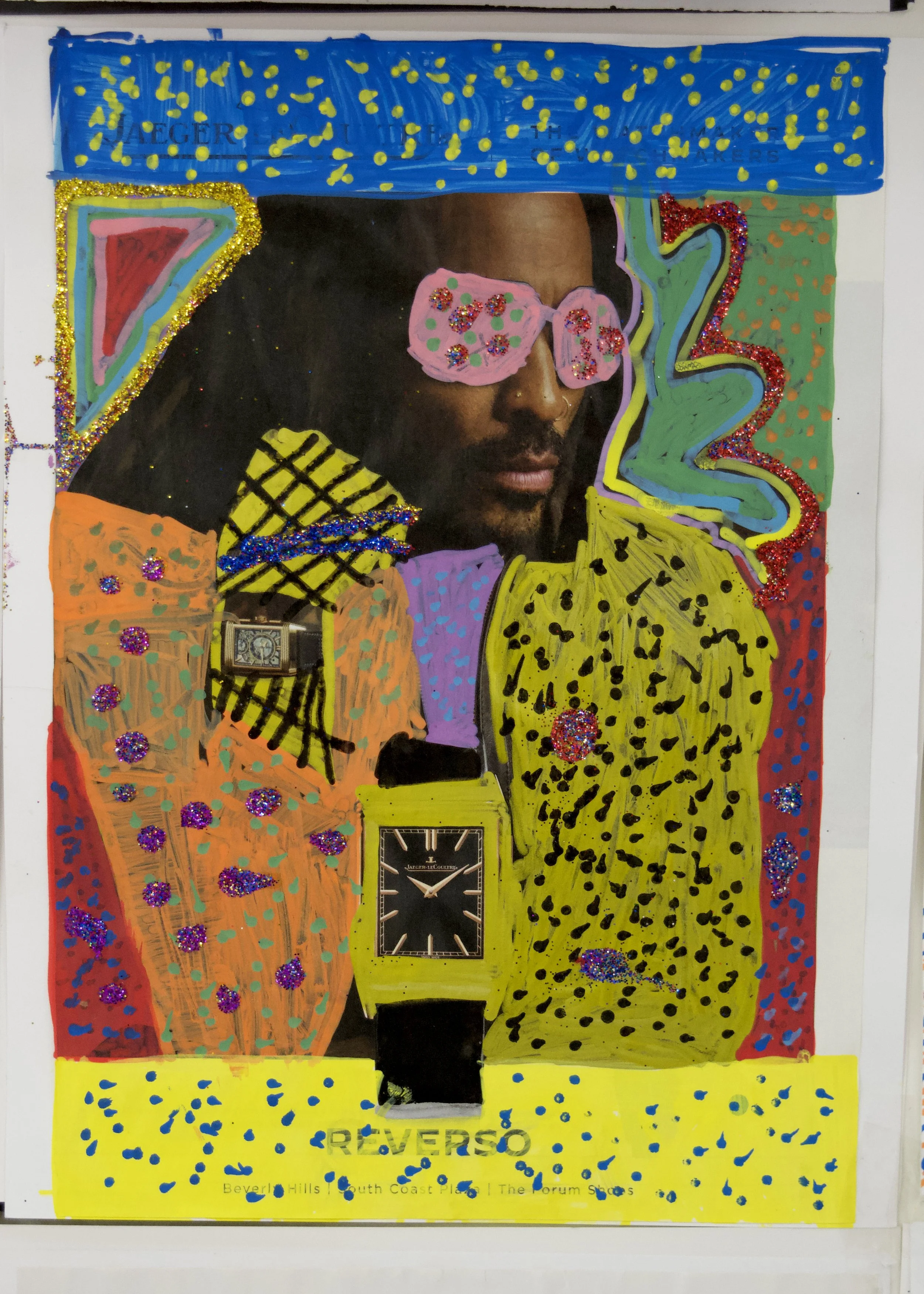
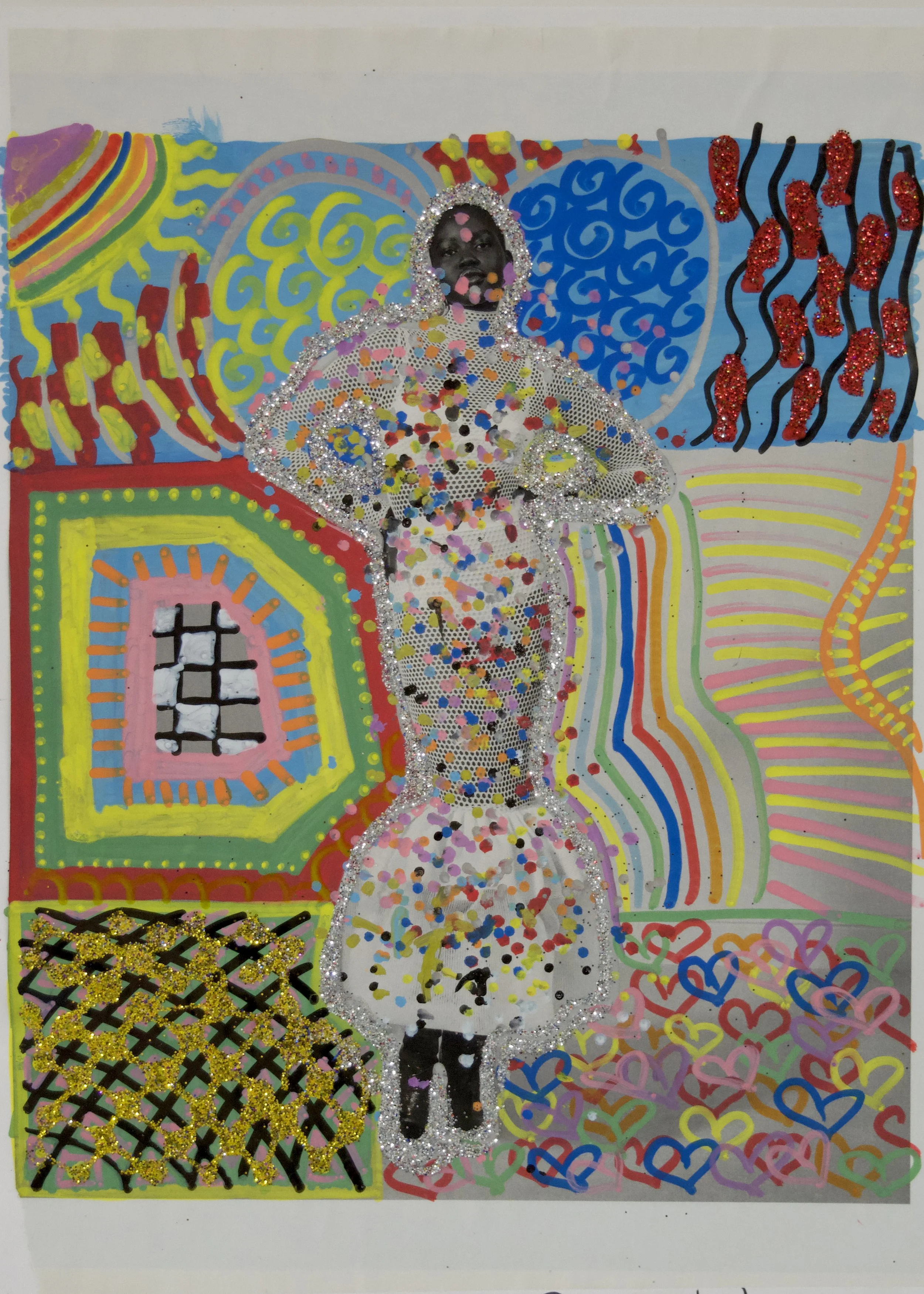
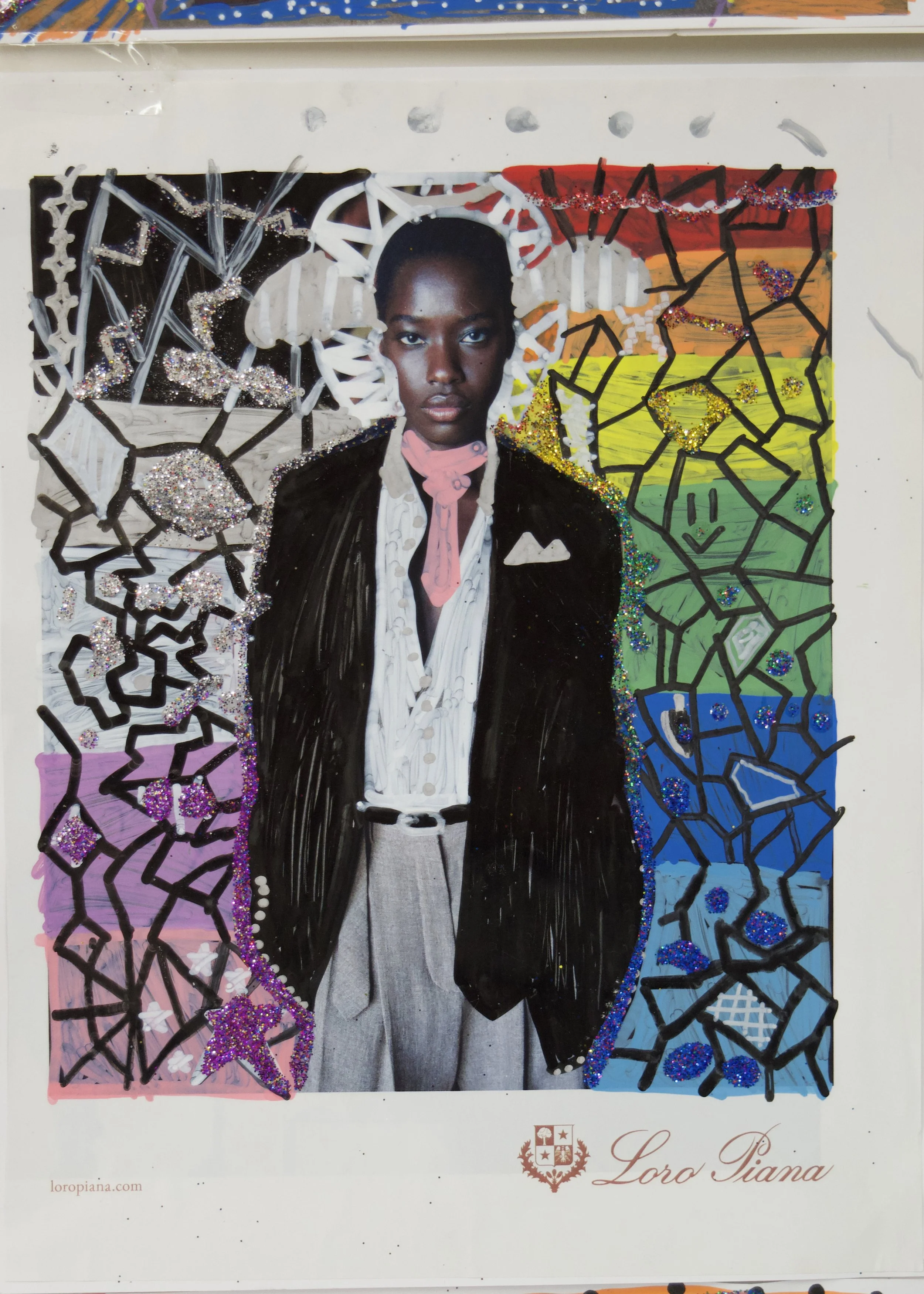
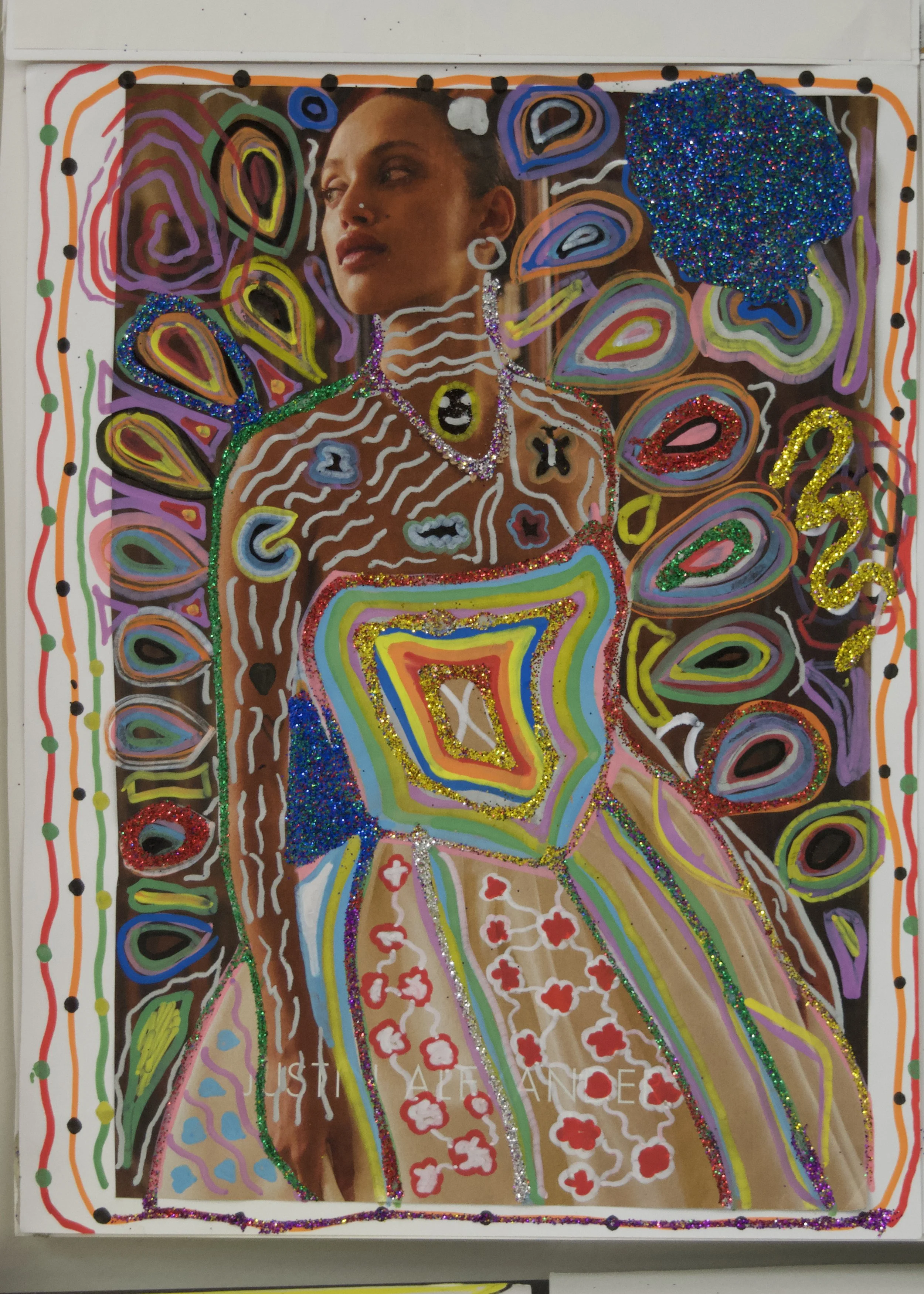
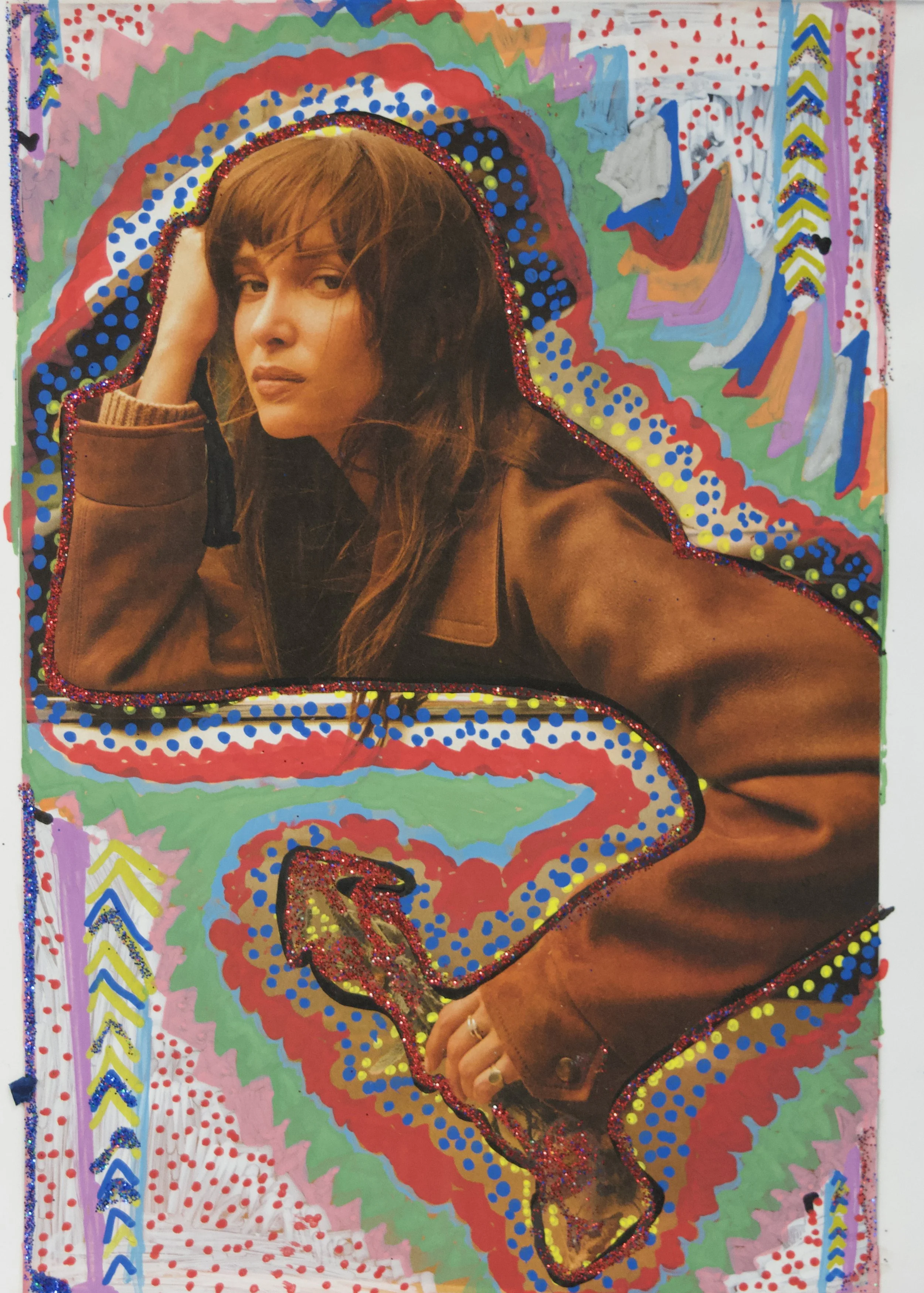
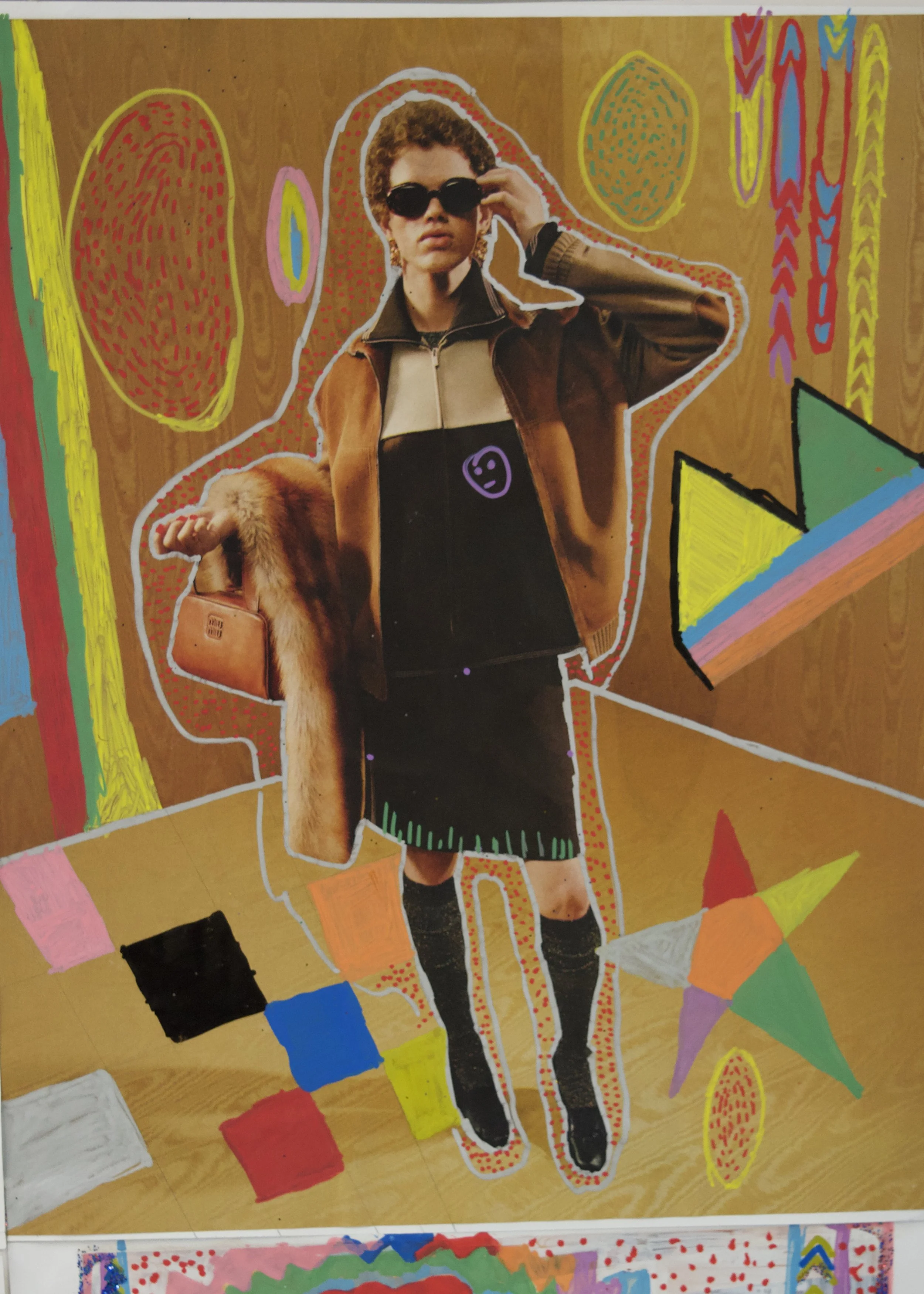
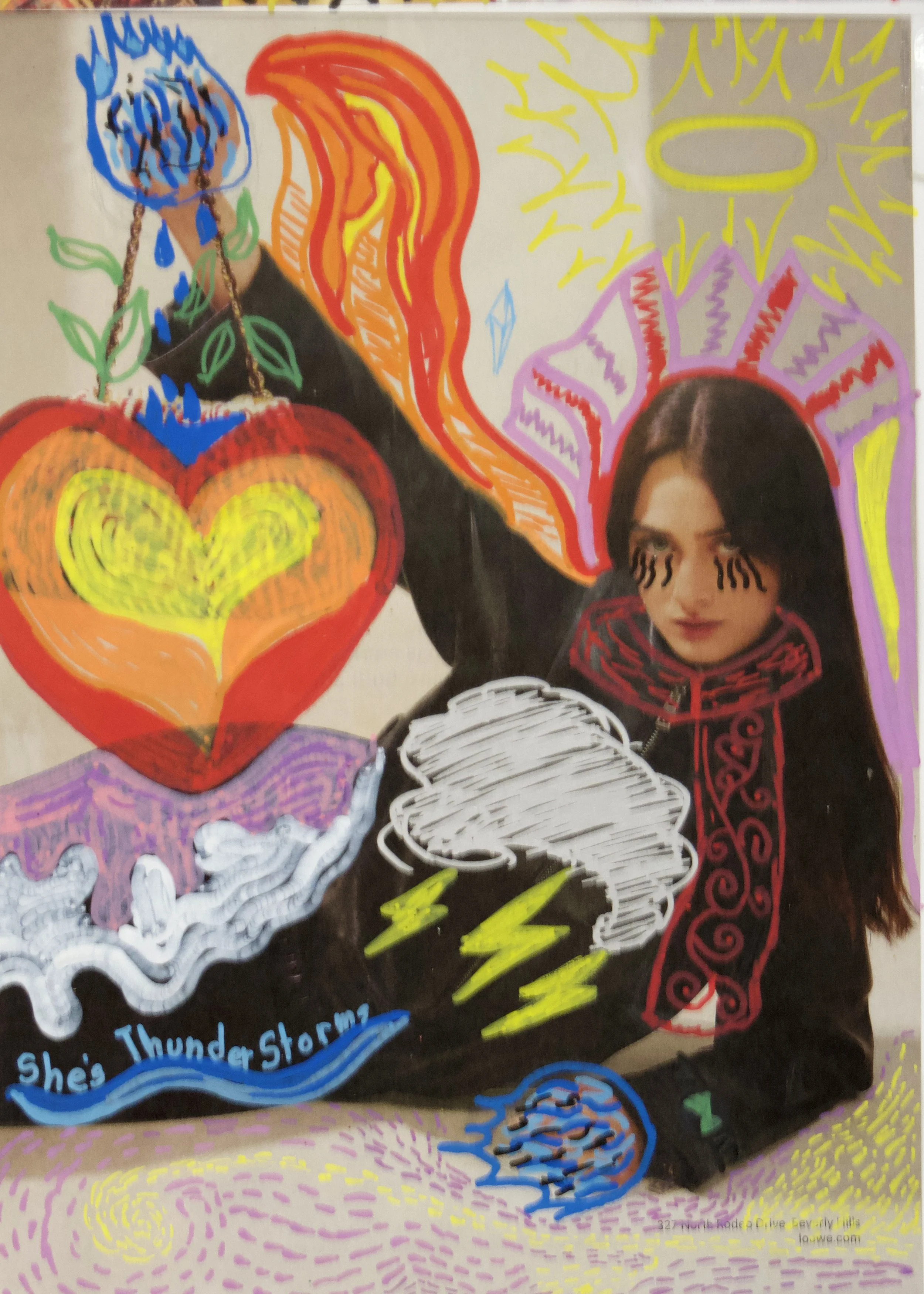
Magazine Makeovers: Building on previous projects in patterns and textures, students enhanced images from glossy magazines using acrylic markers
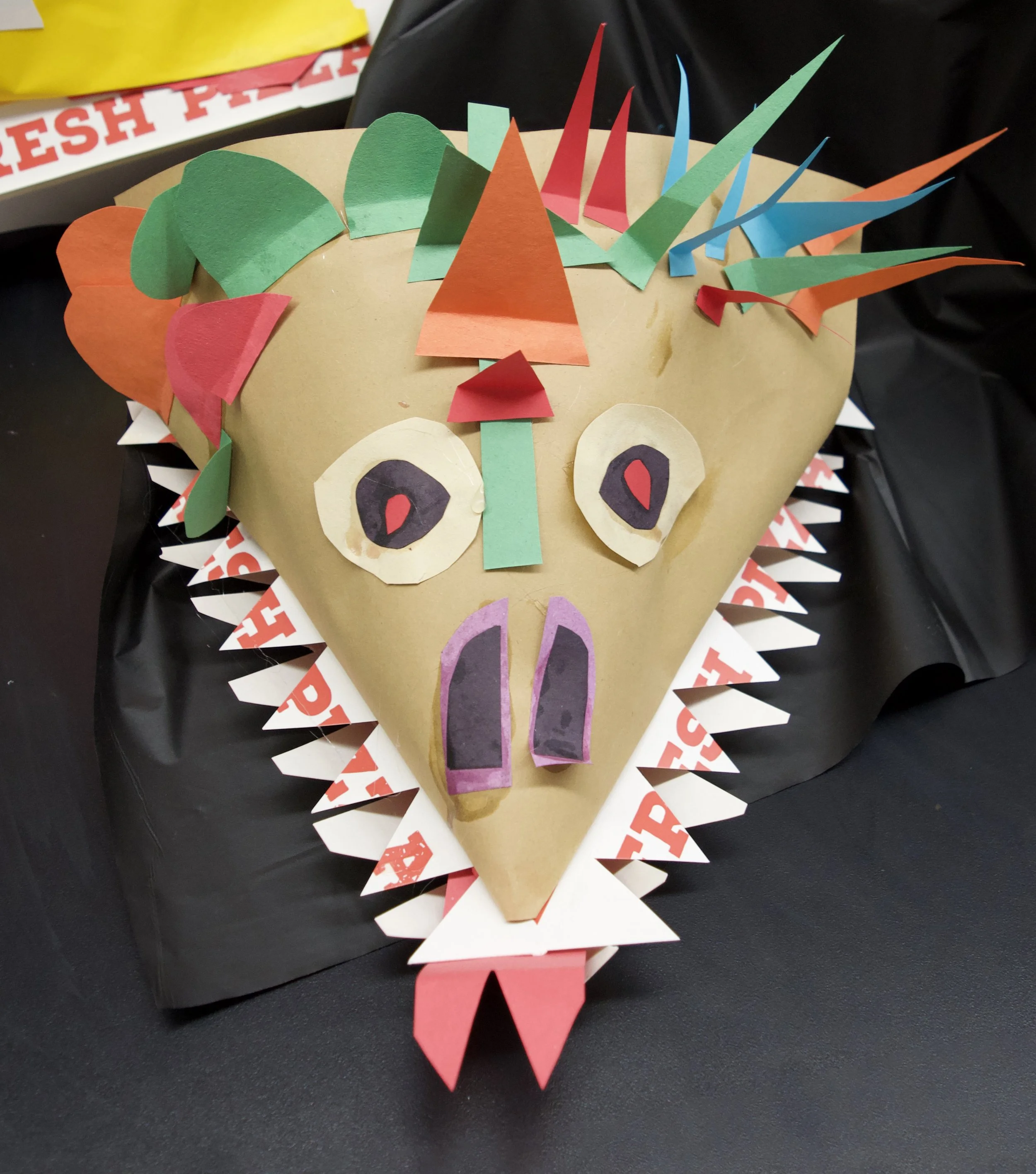
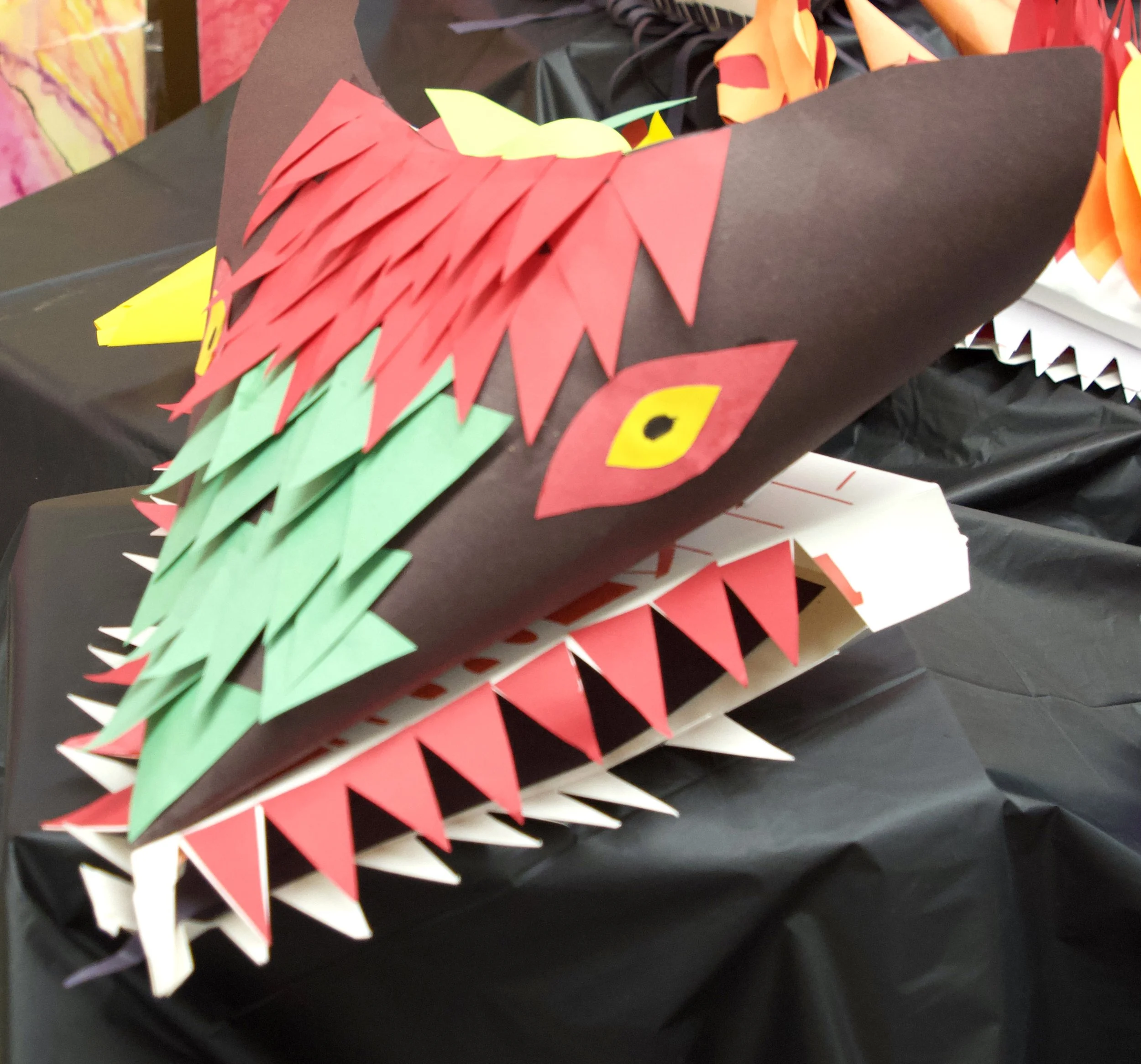
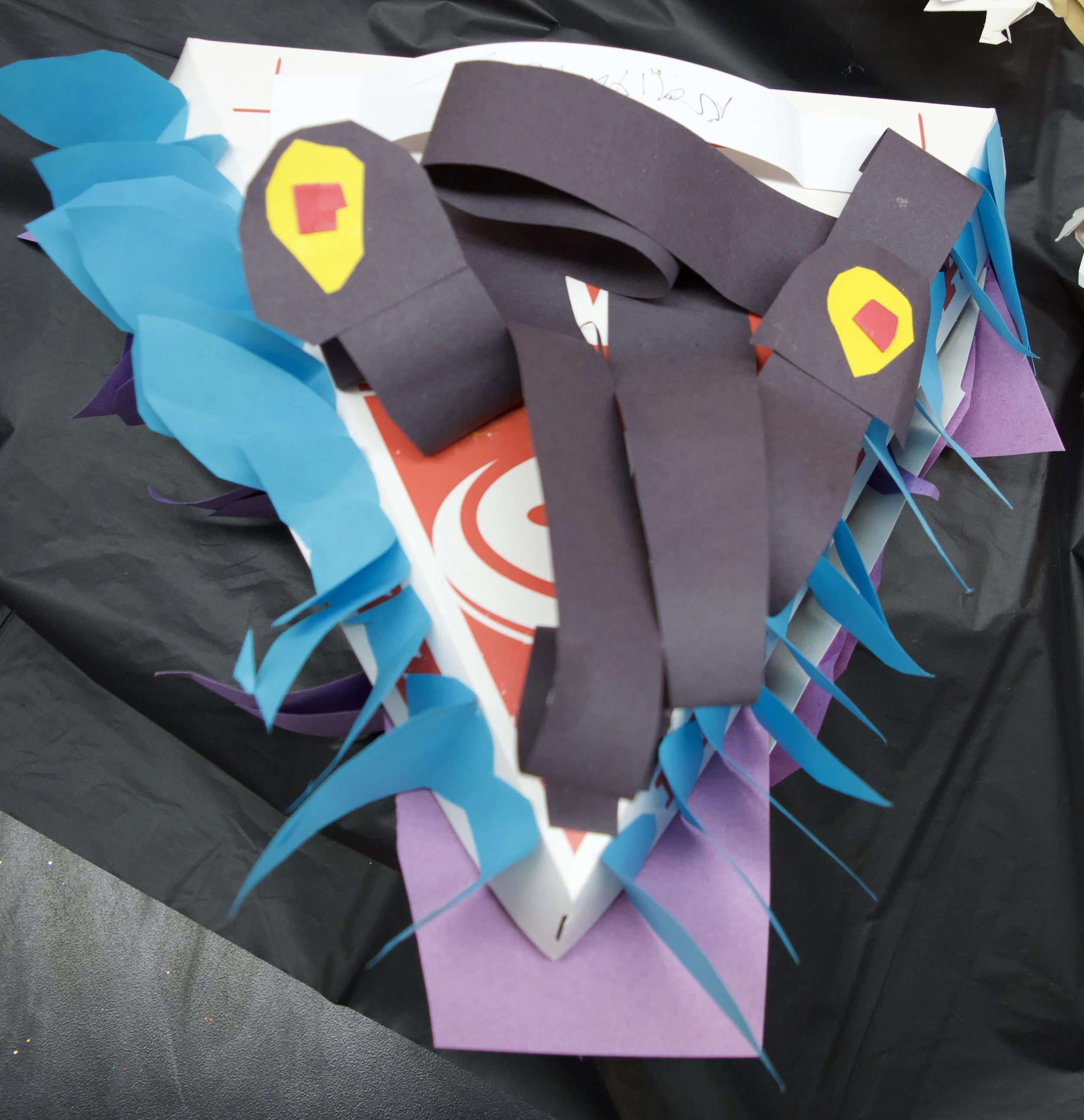
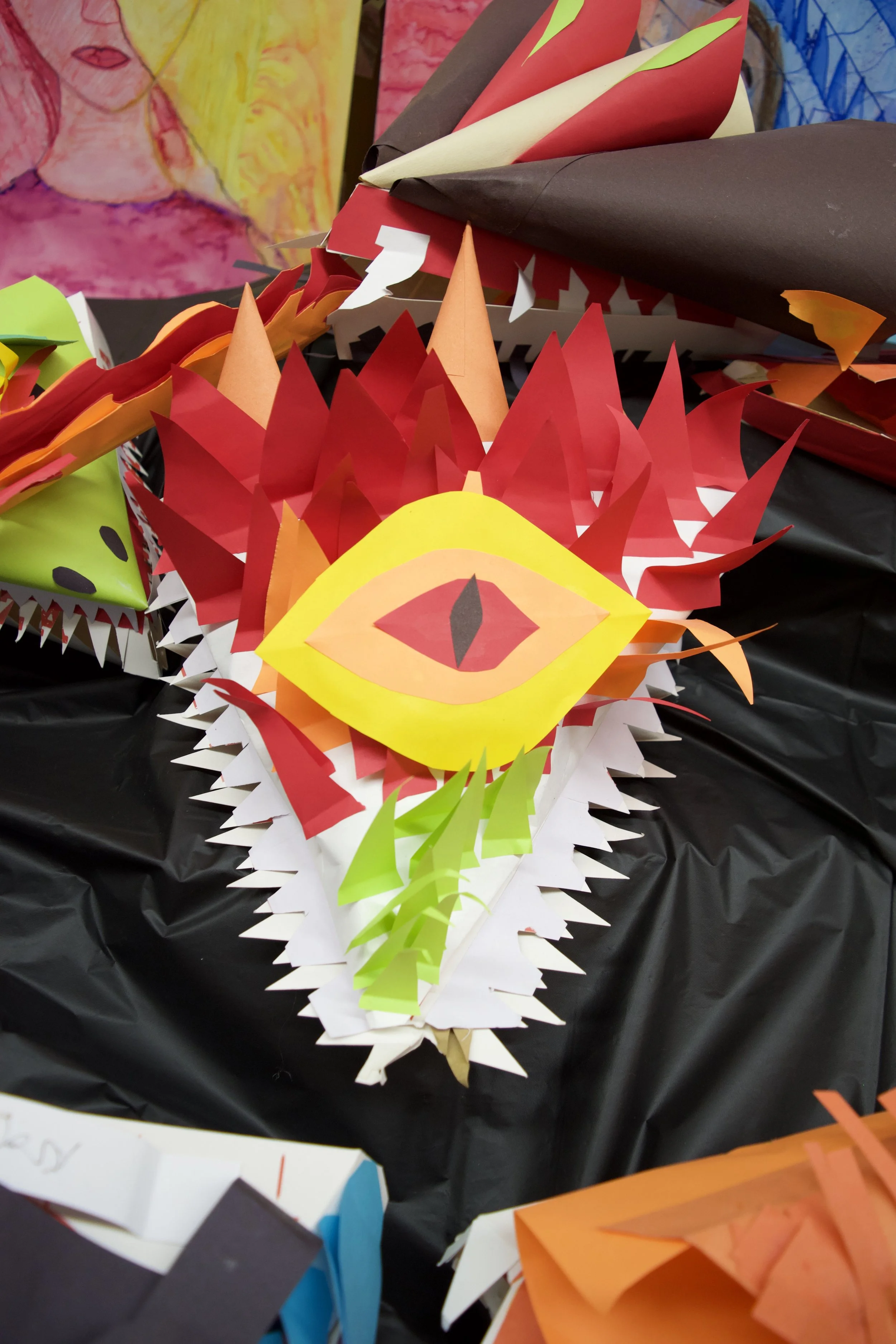
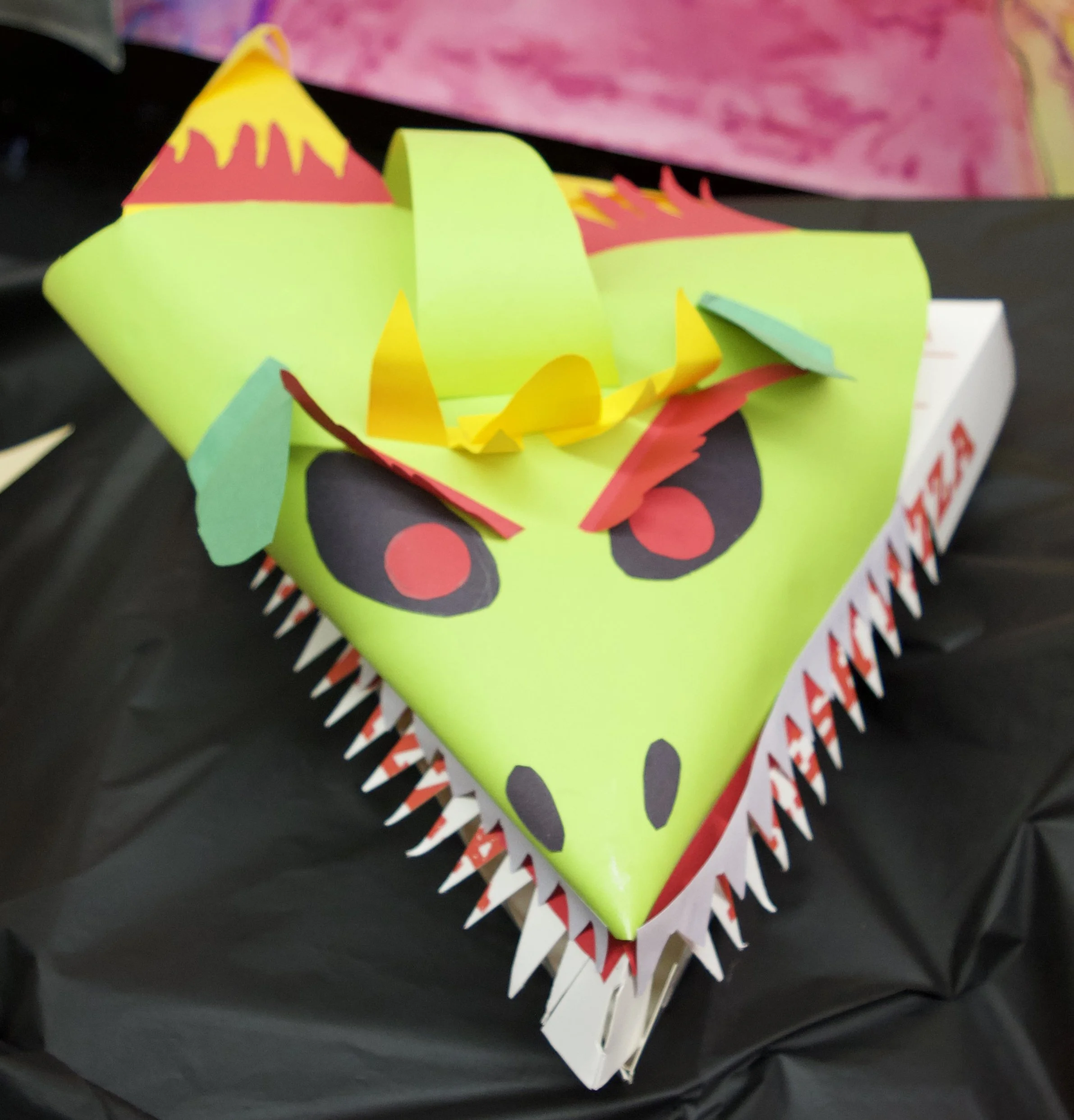
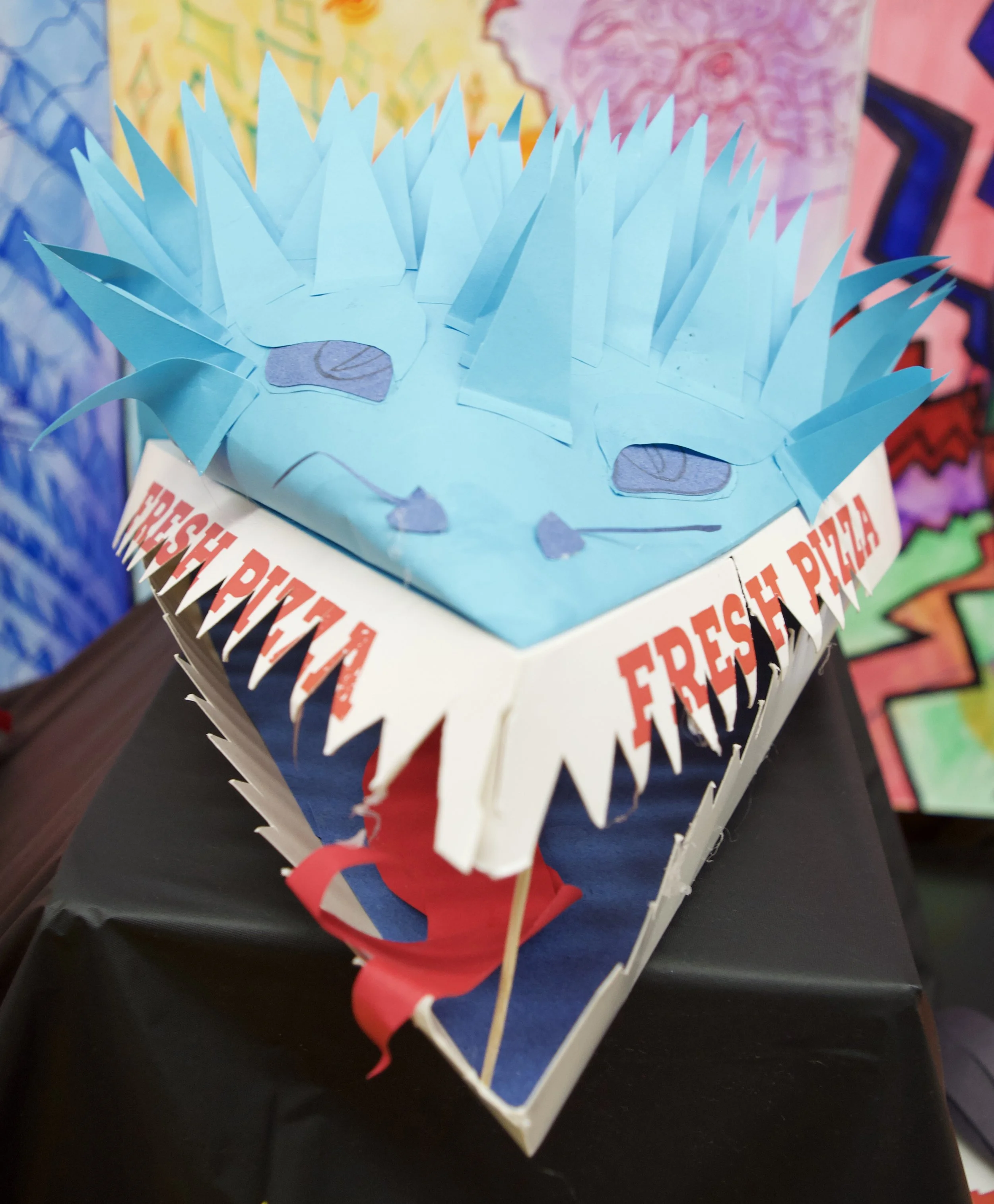
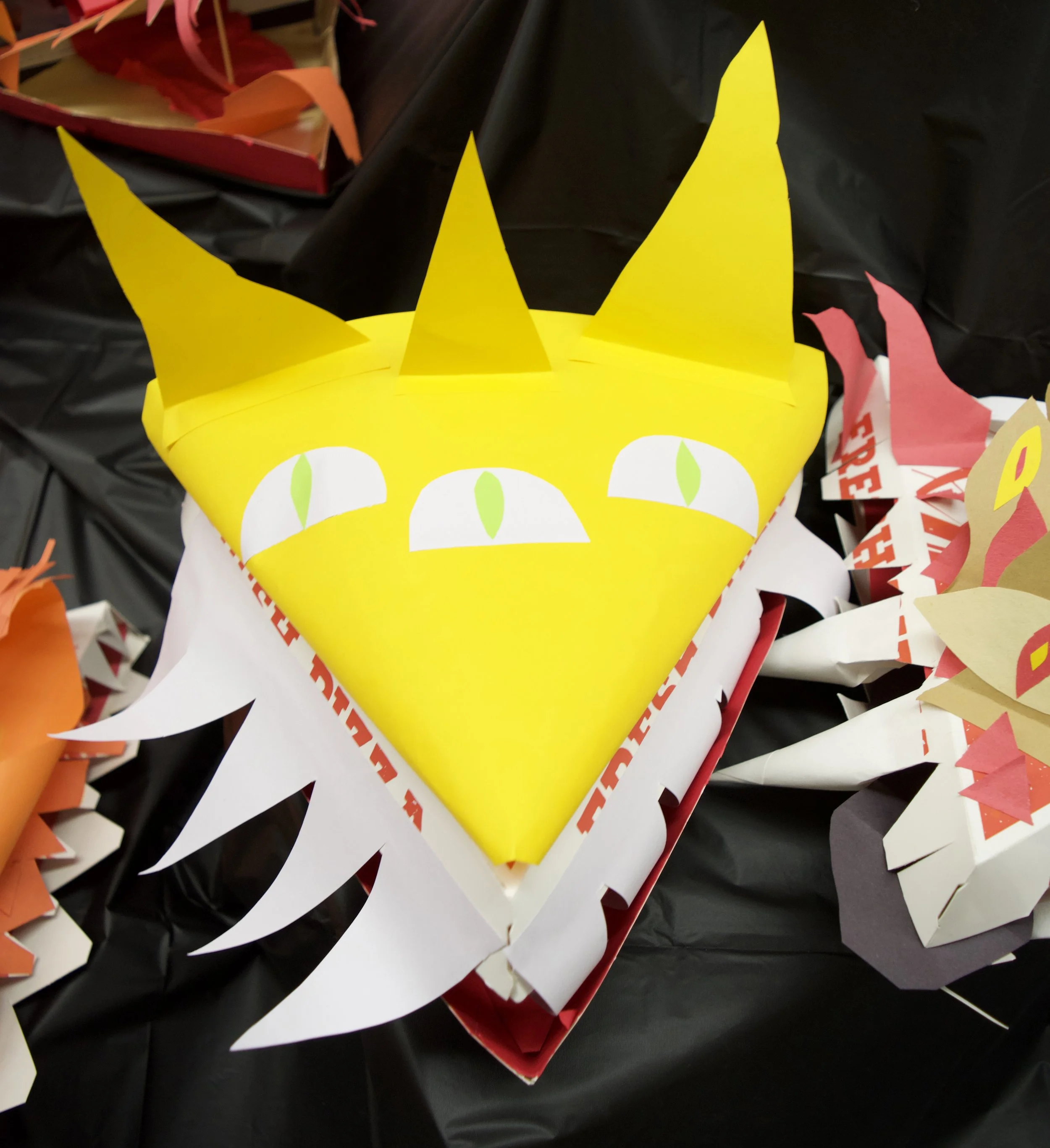
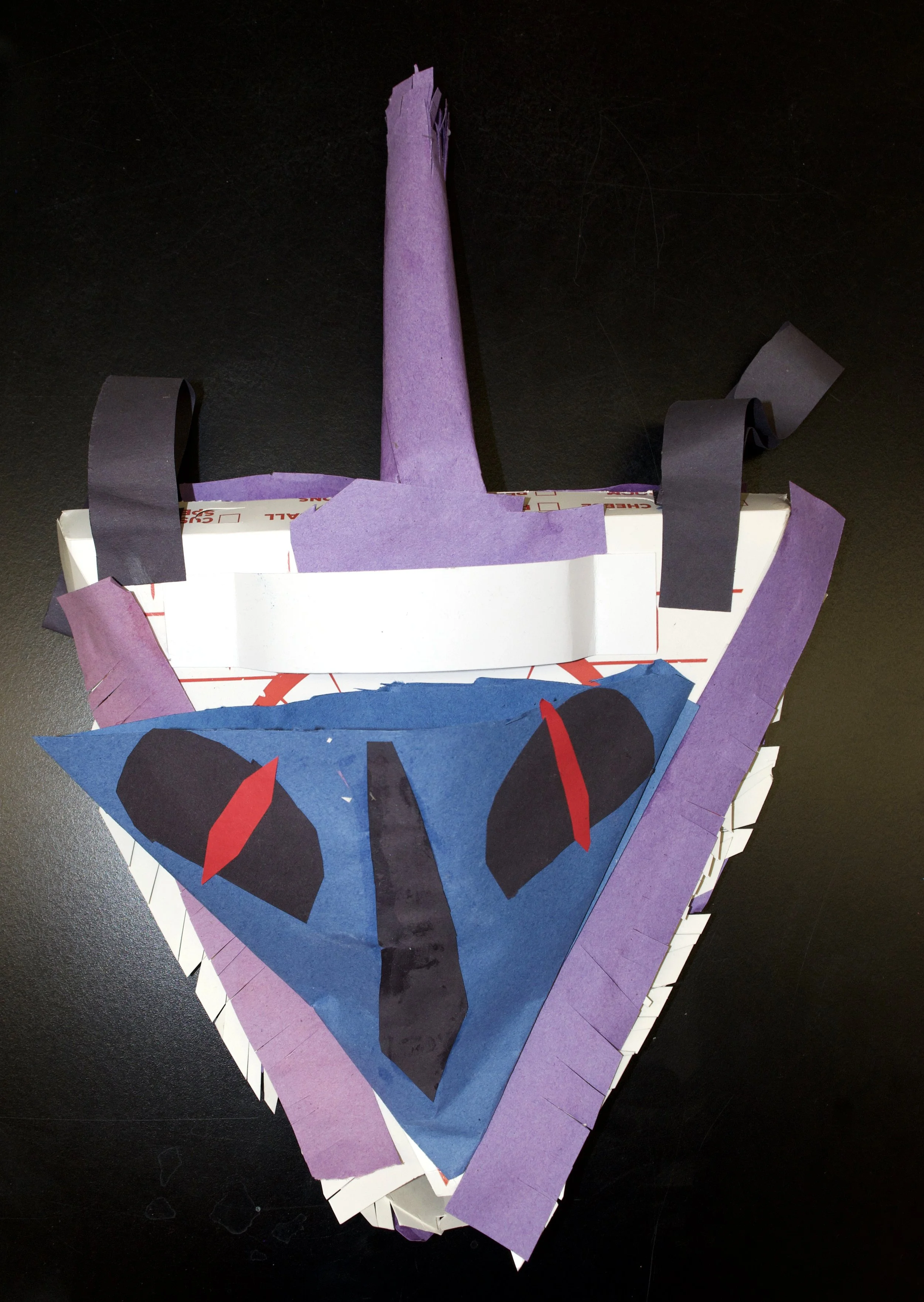
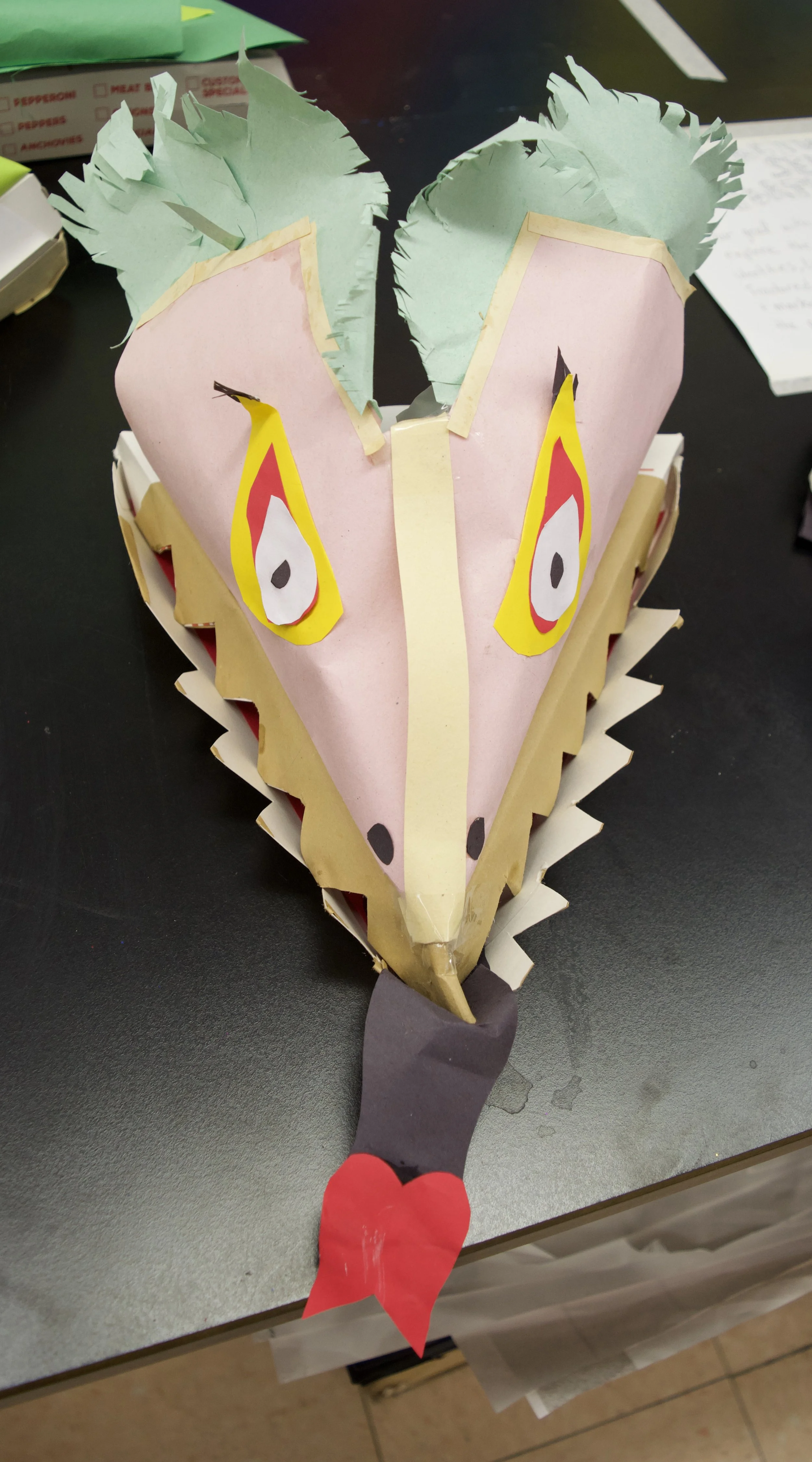
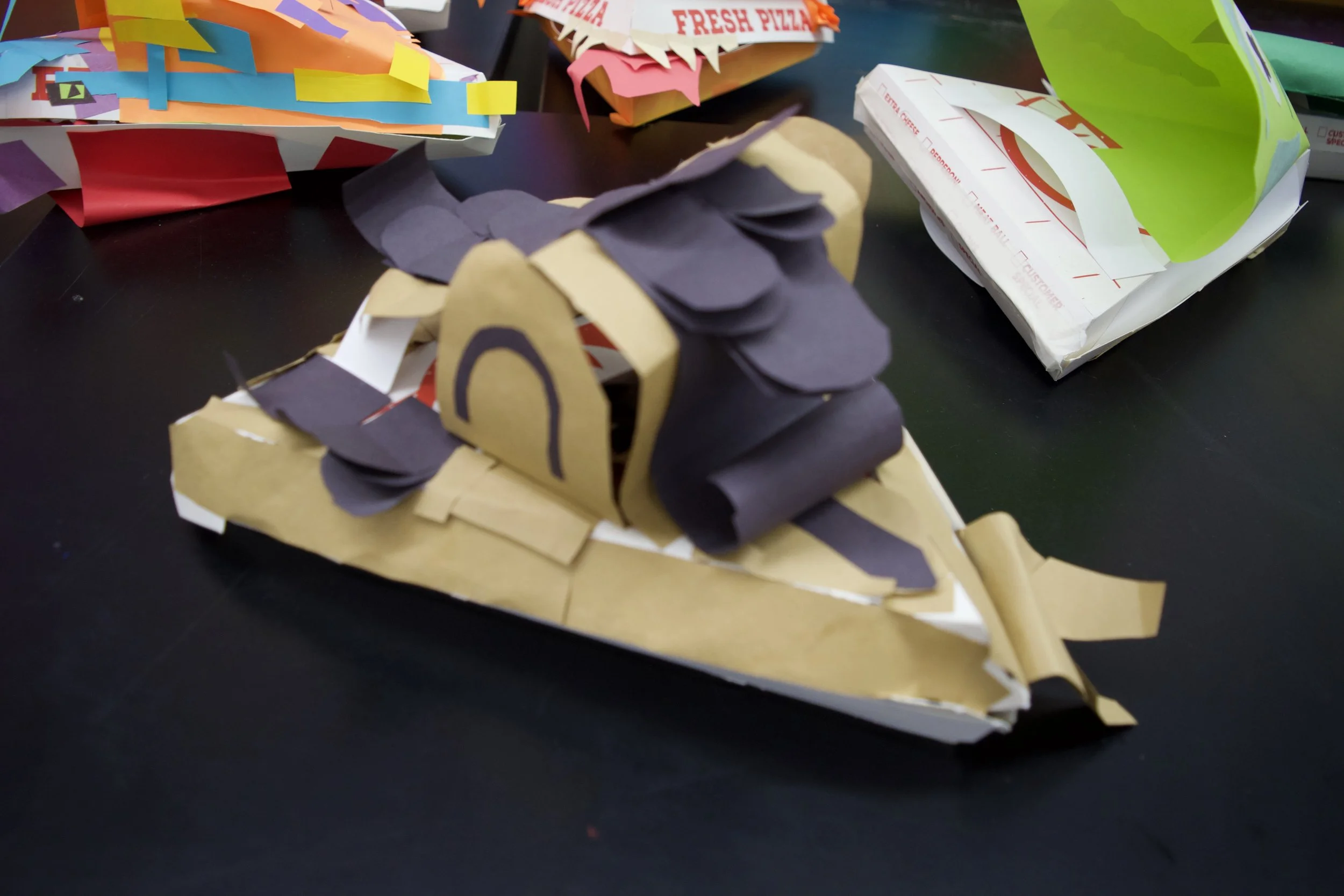
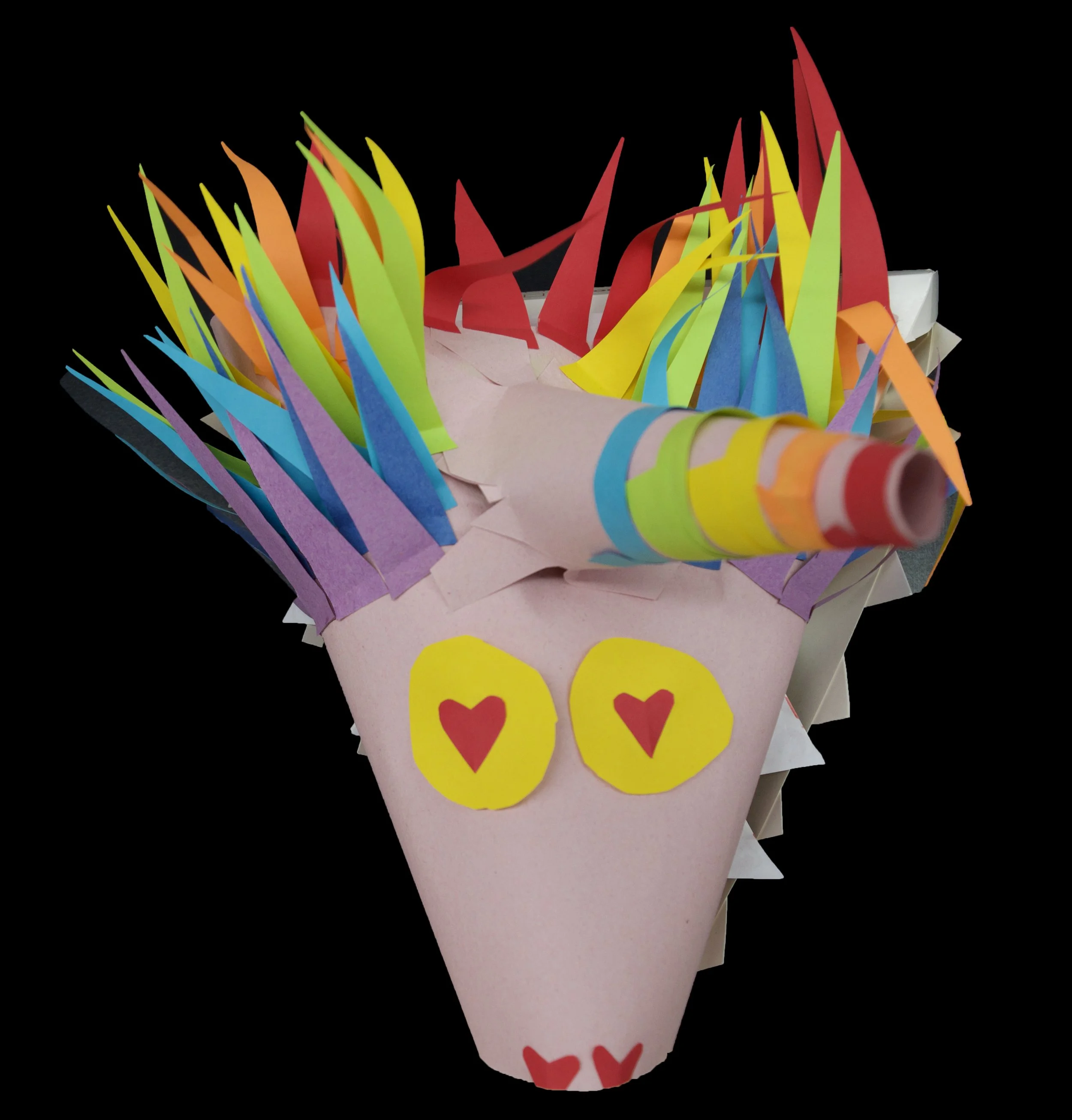
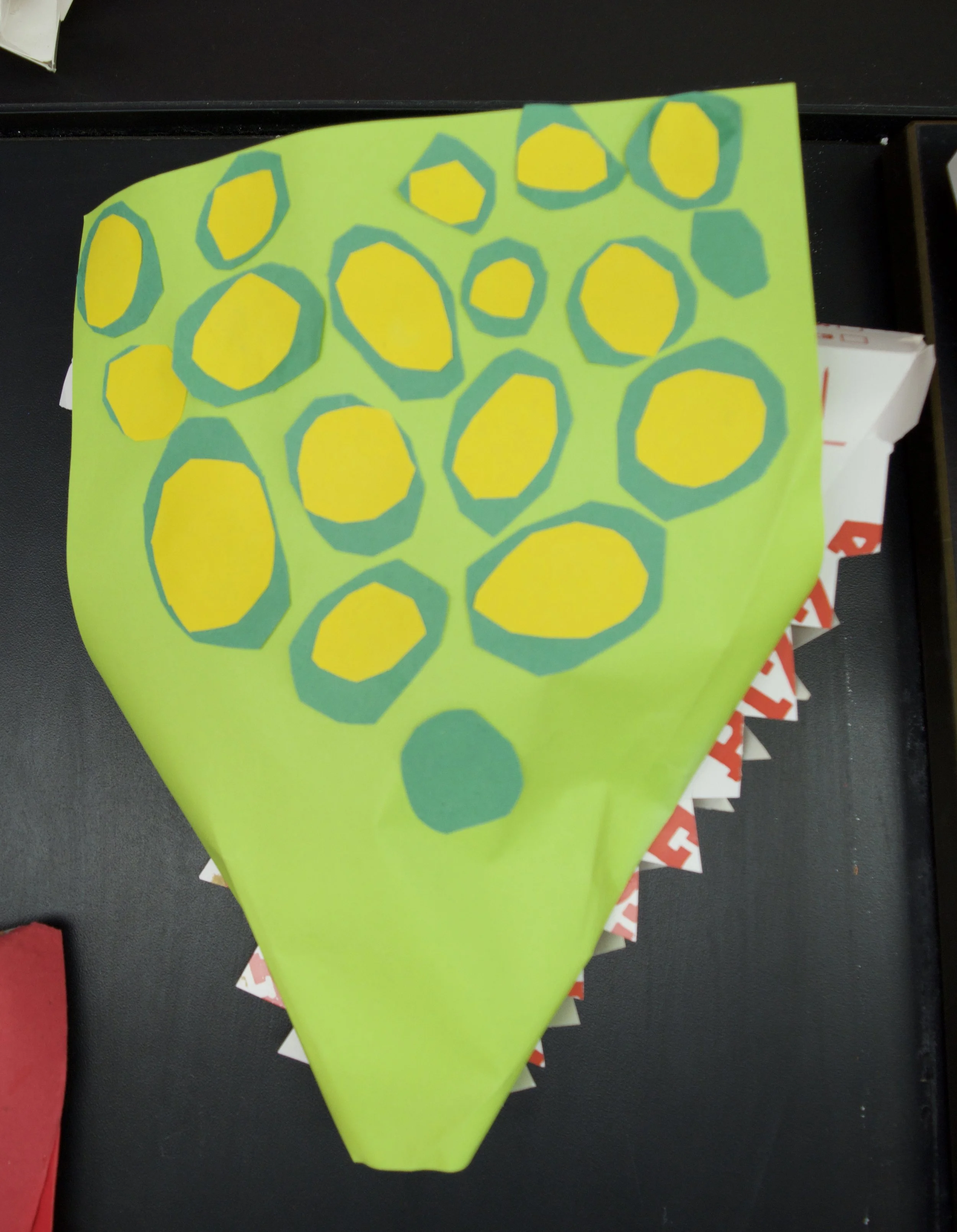
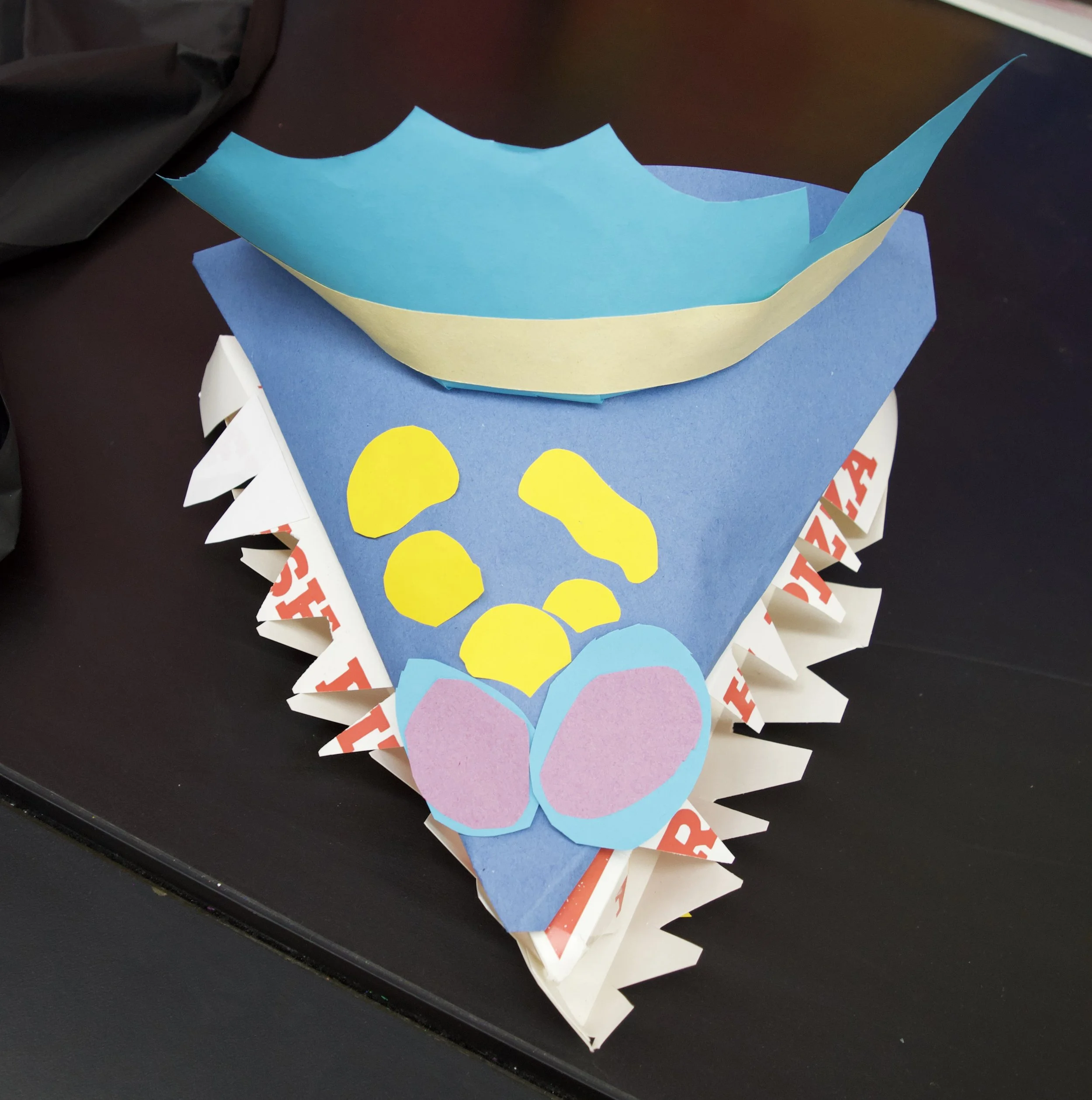
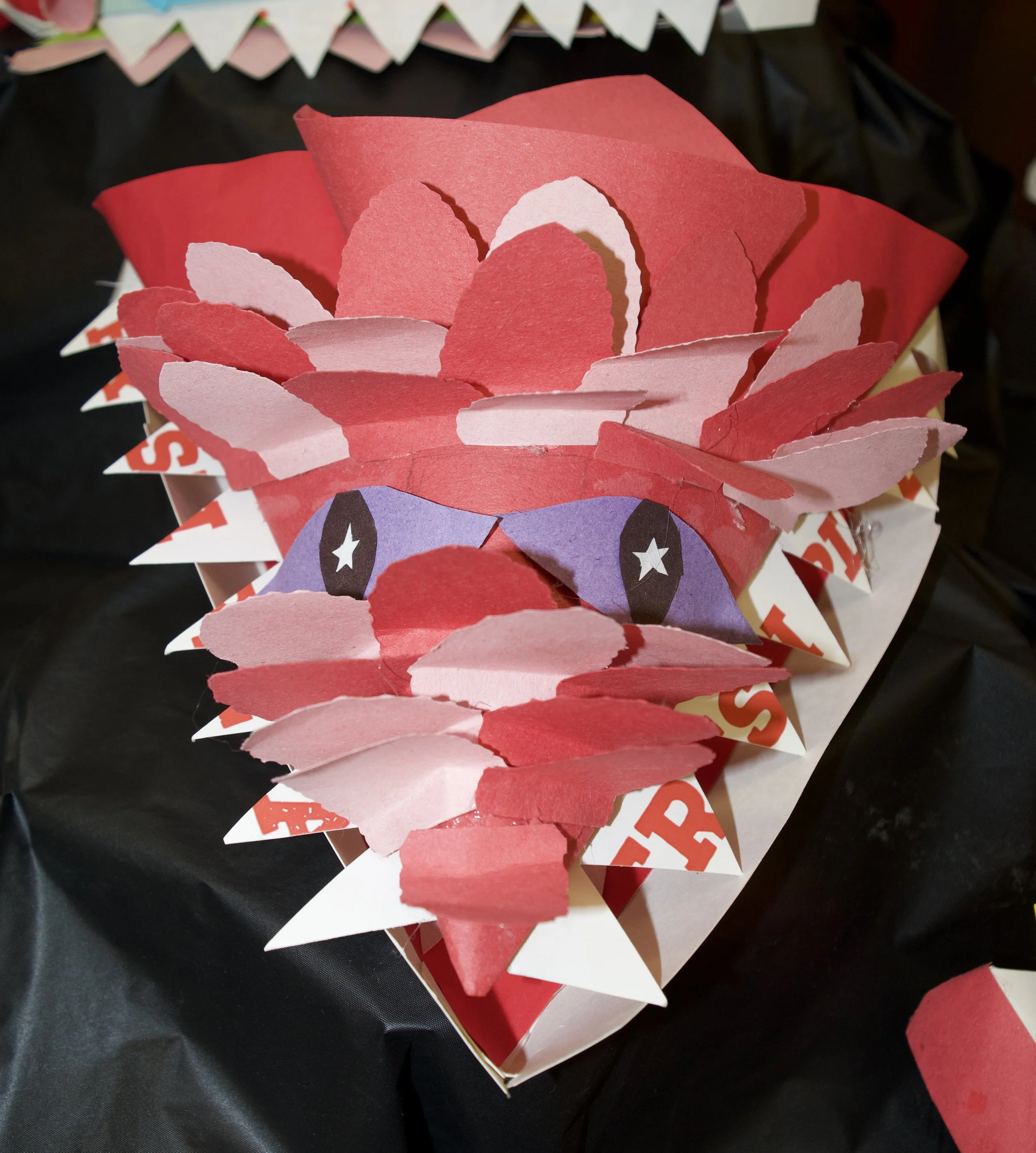
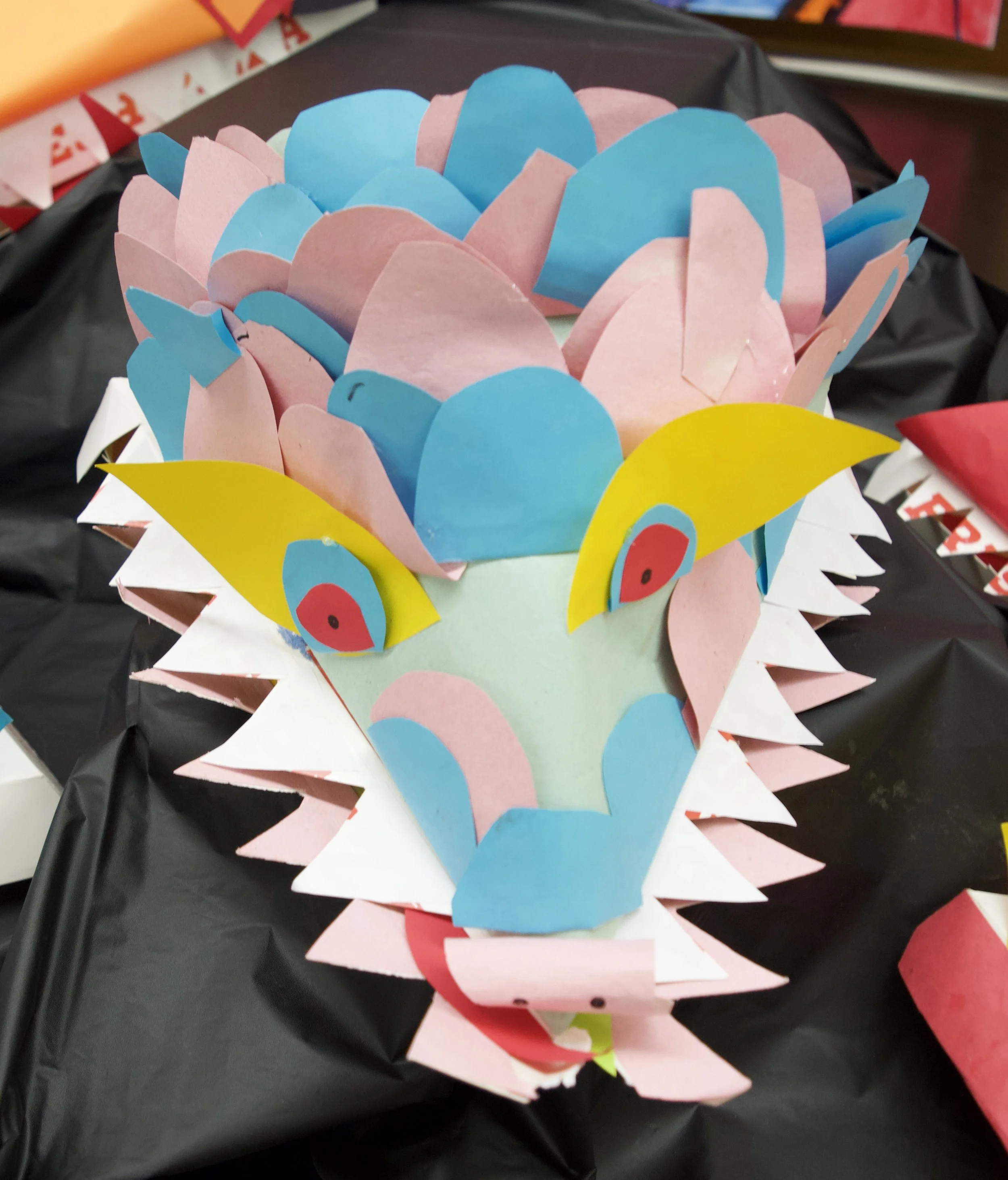
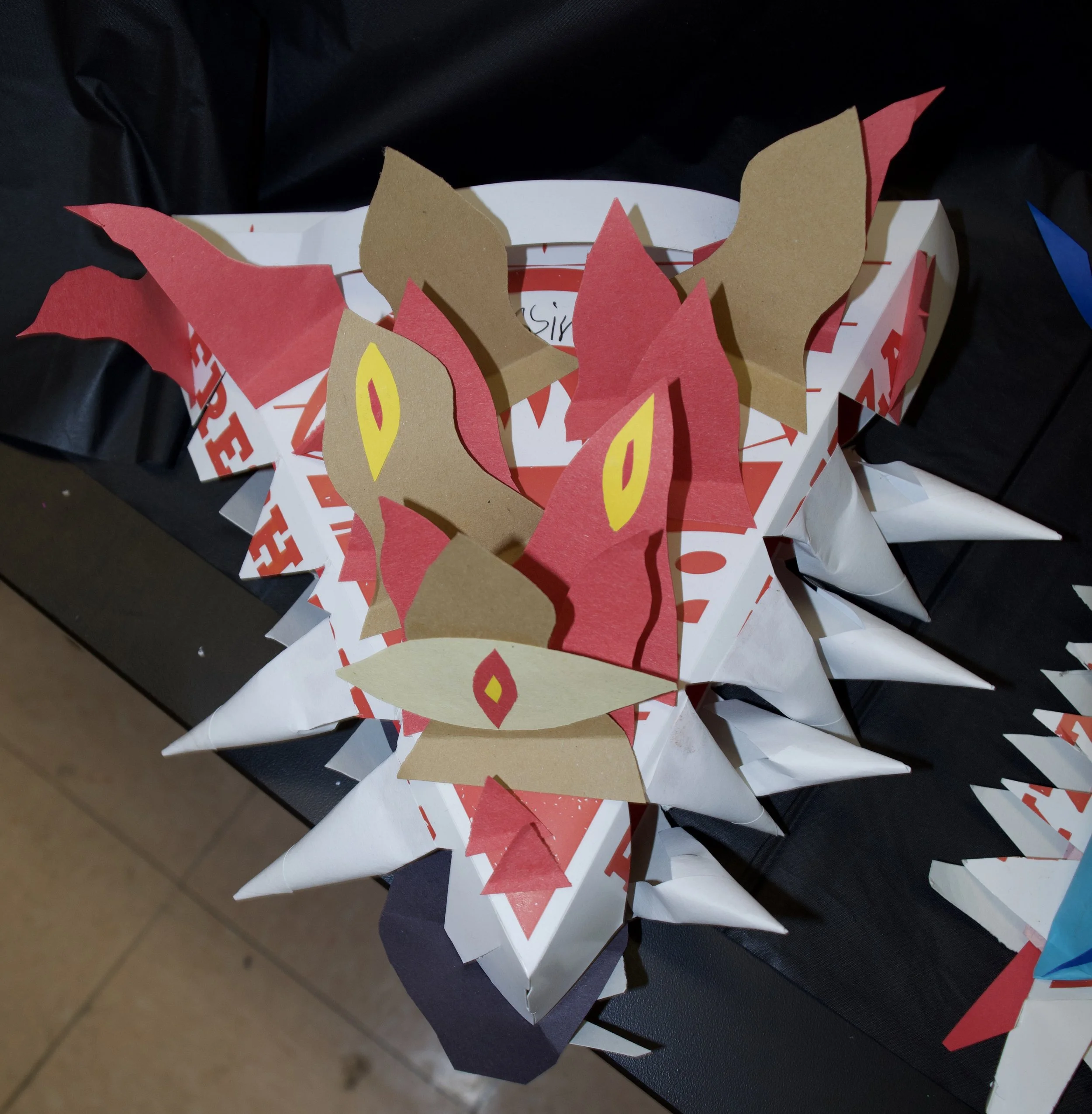
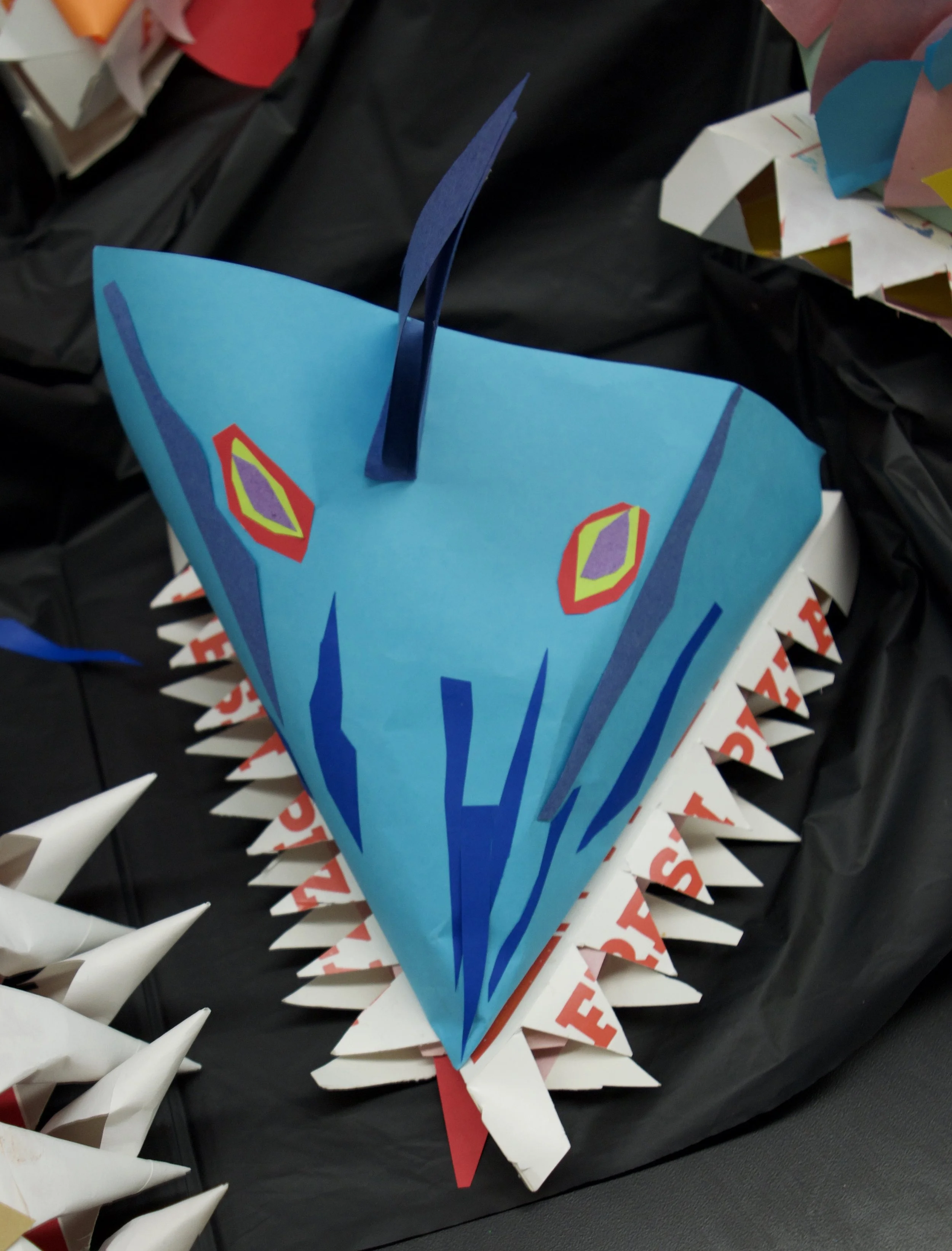
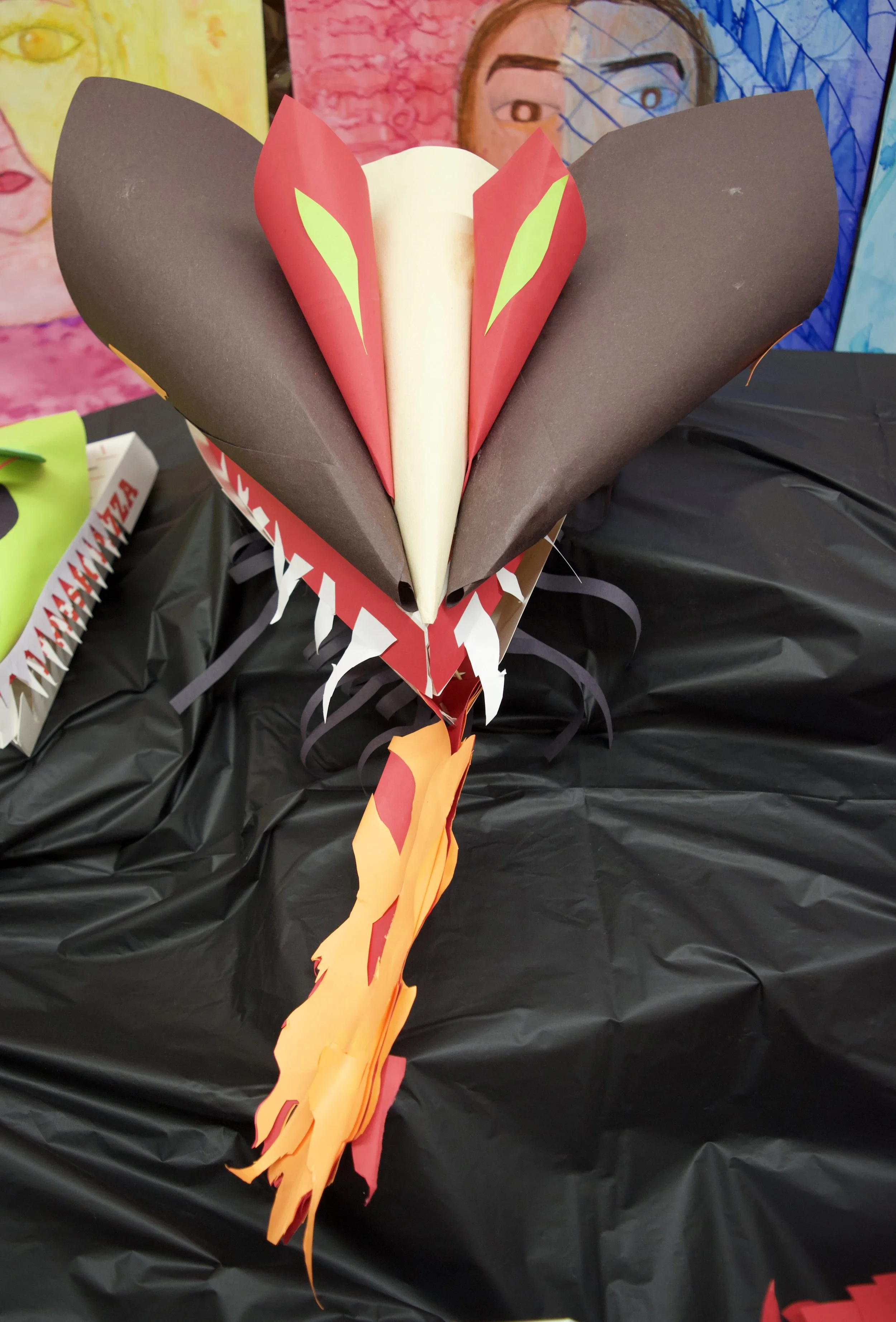
Pizza Box Dragon Puppets: For this project, every student was given an individual-slice-pizza box to serve as the jaws of their dragon. Other materials included cardstock, construction paper, acrylic paint, hot glue guns, glue dots, brass fasteners, and tape. While they all started with the same materials, the end results were as varied and imaginative as the individual students.
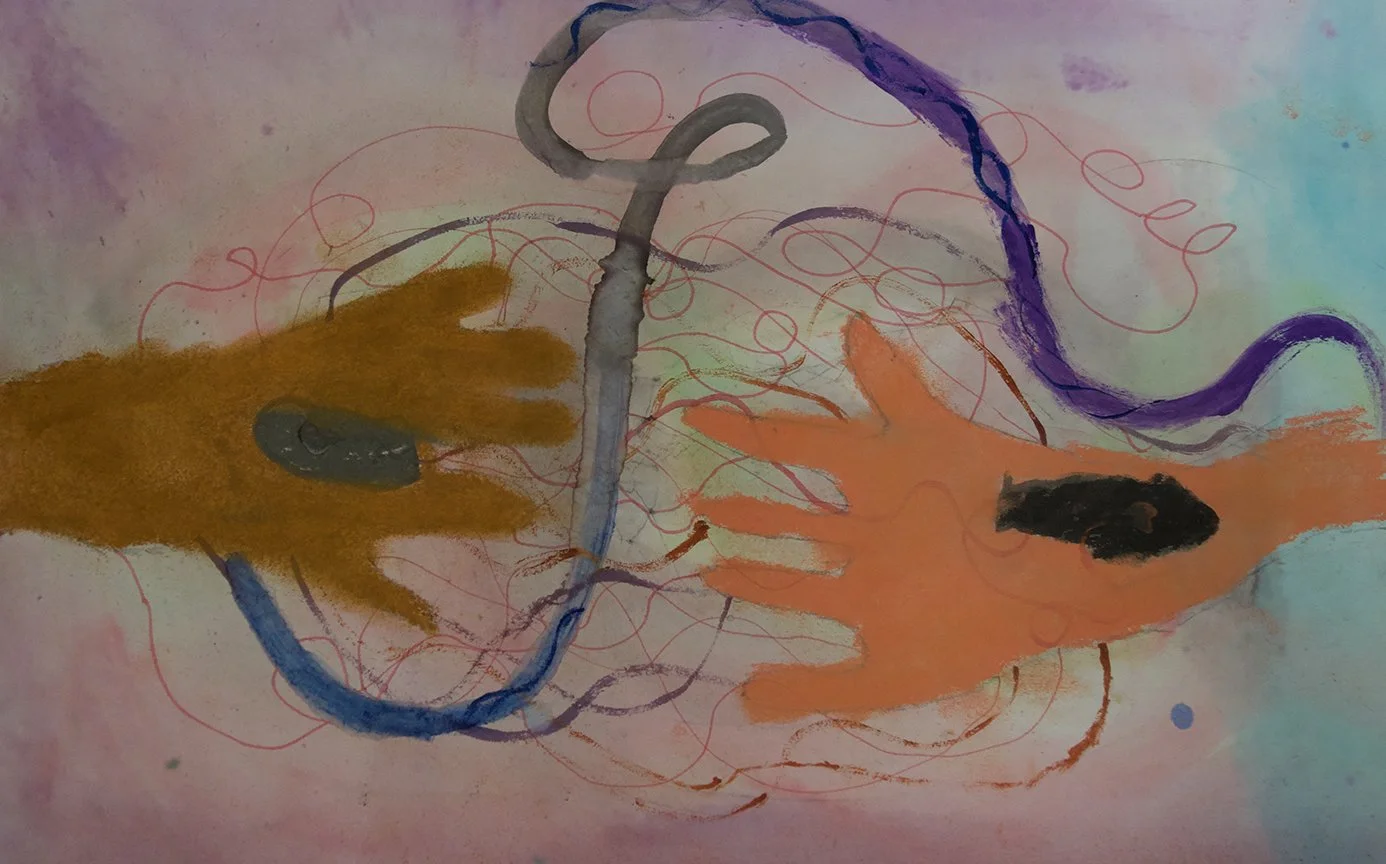
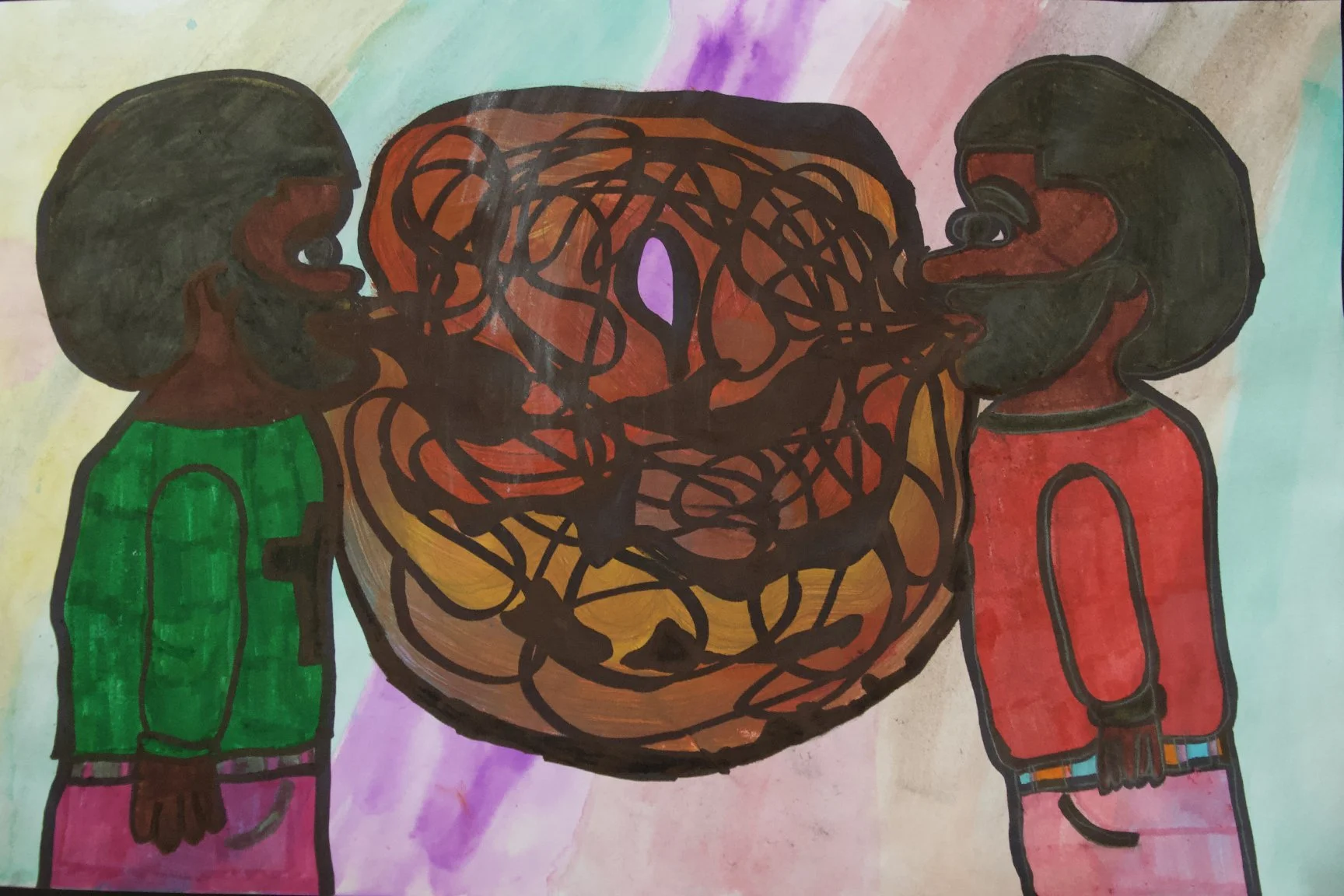
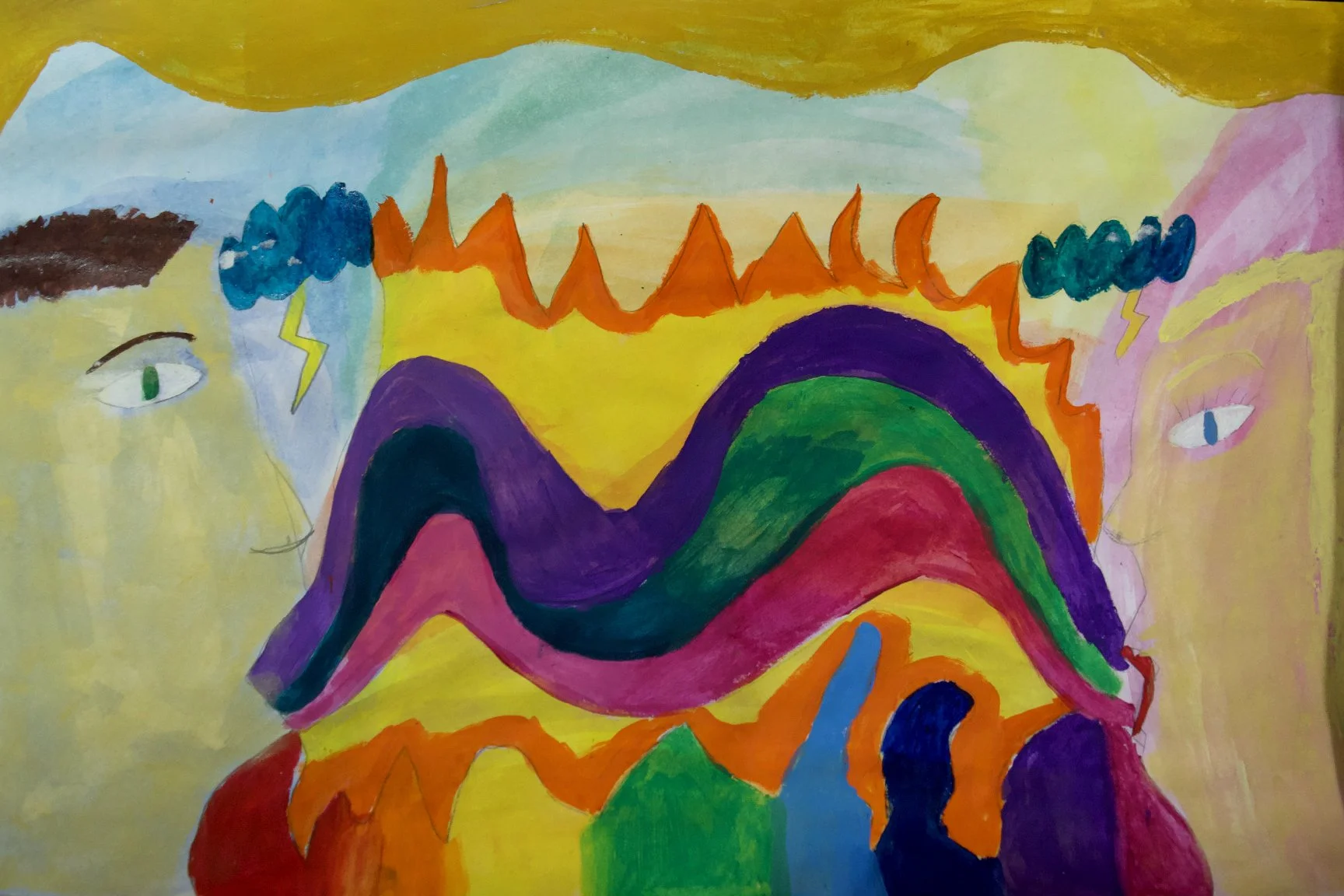
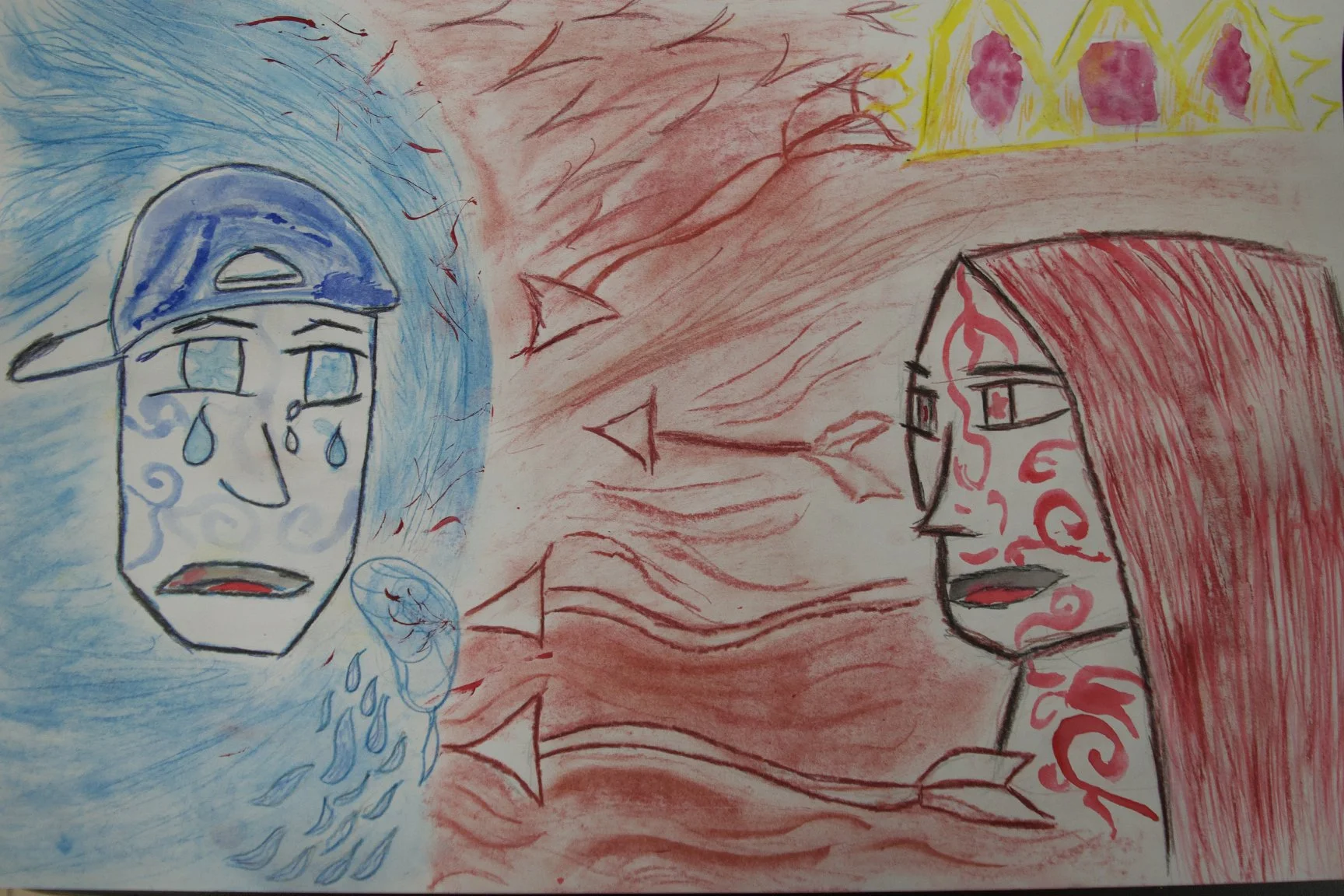
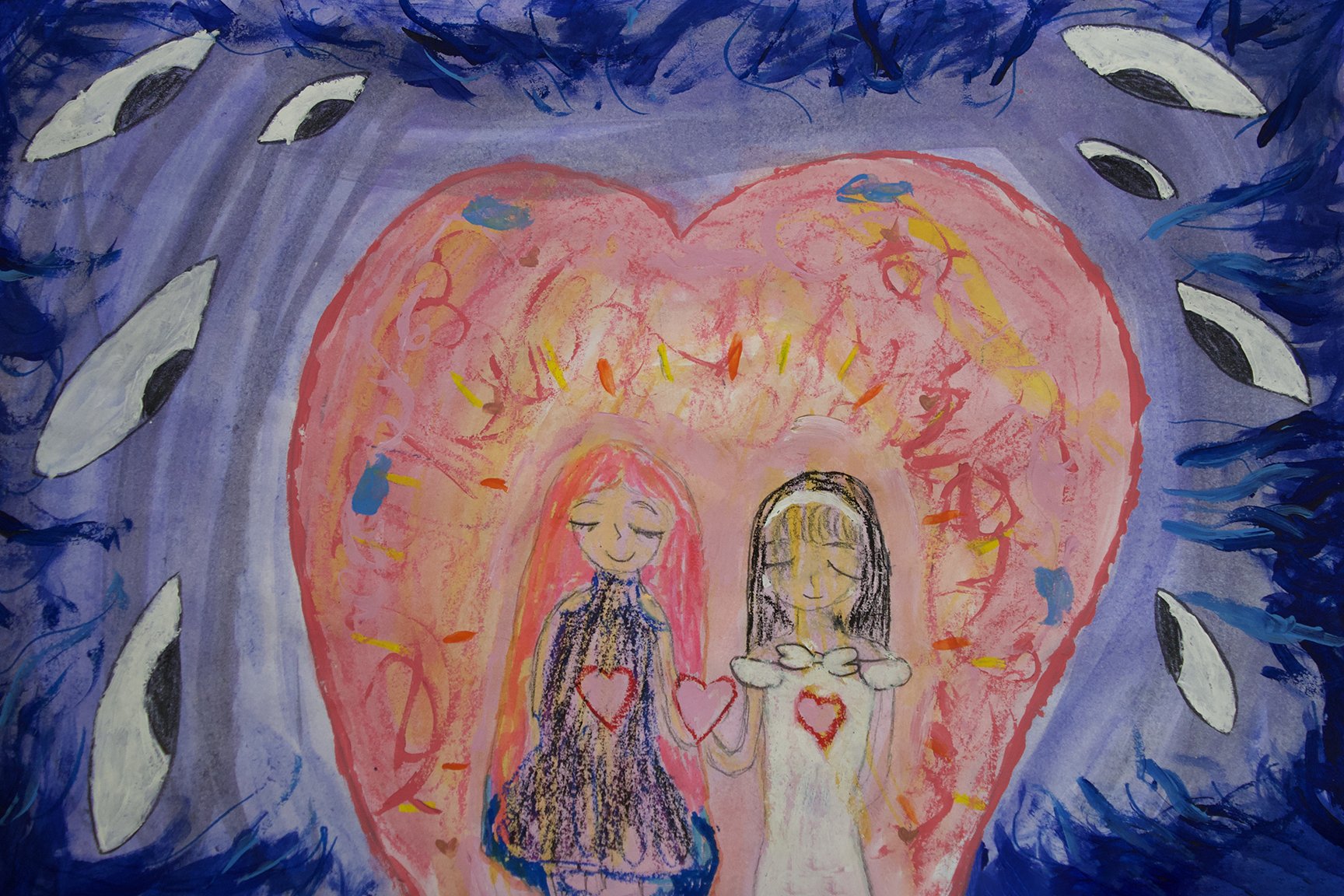
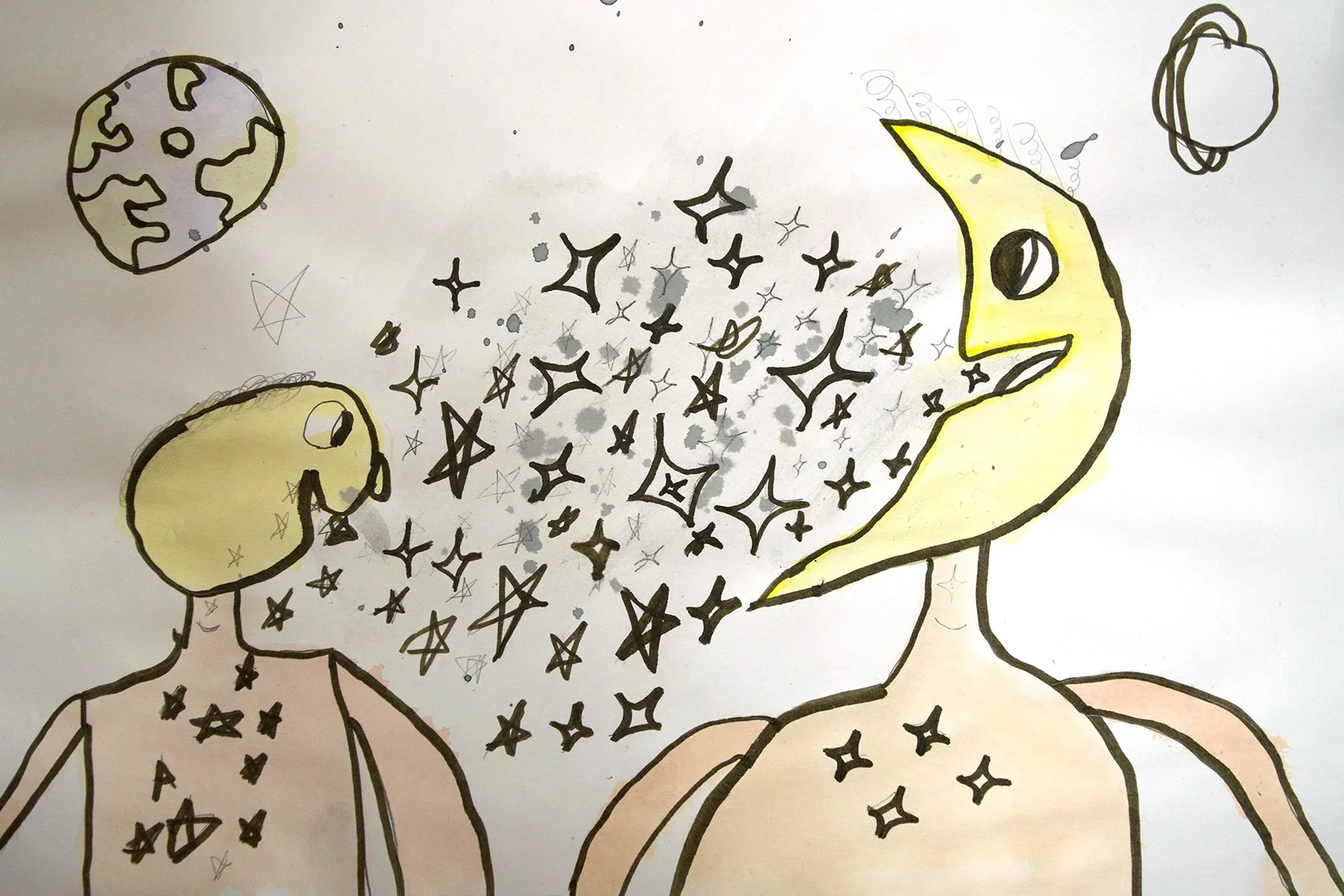
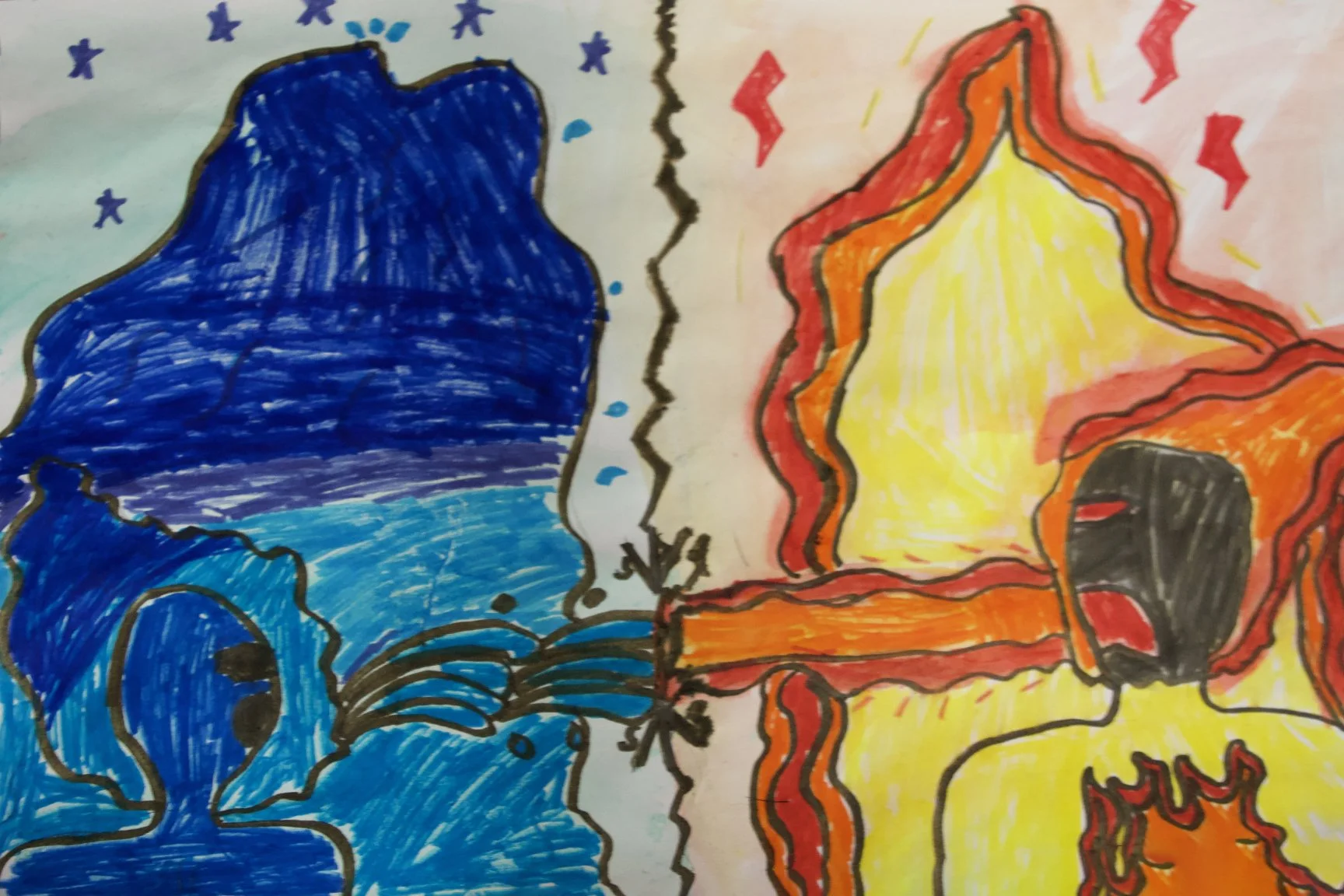
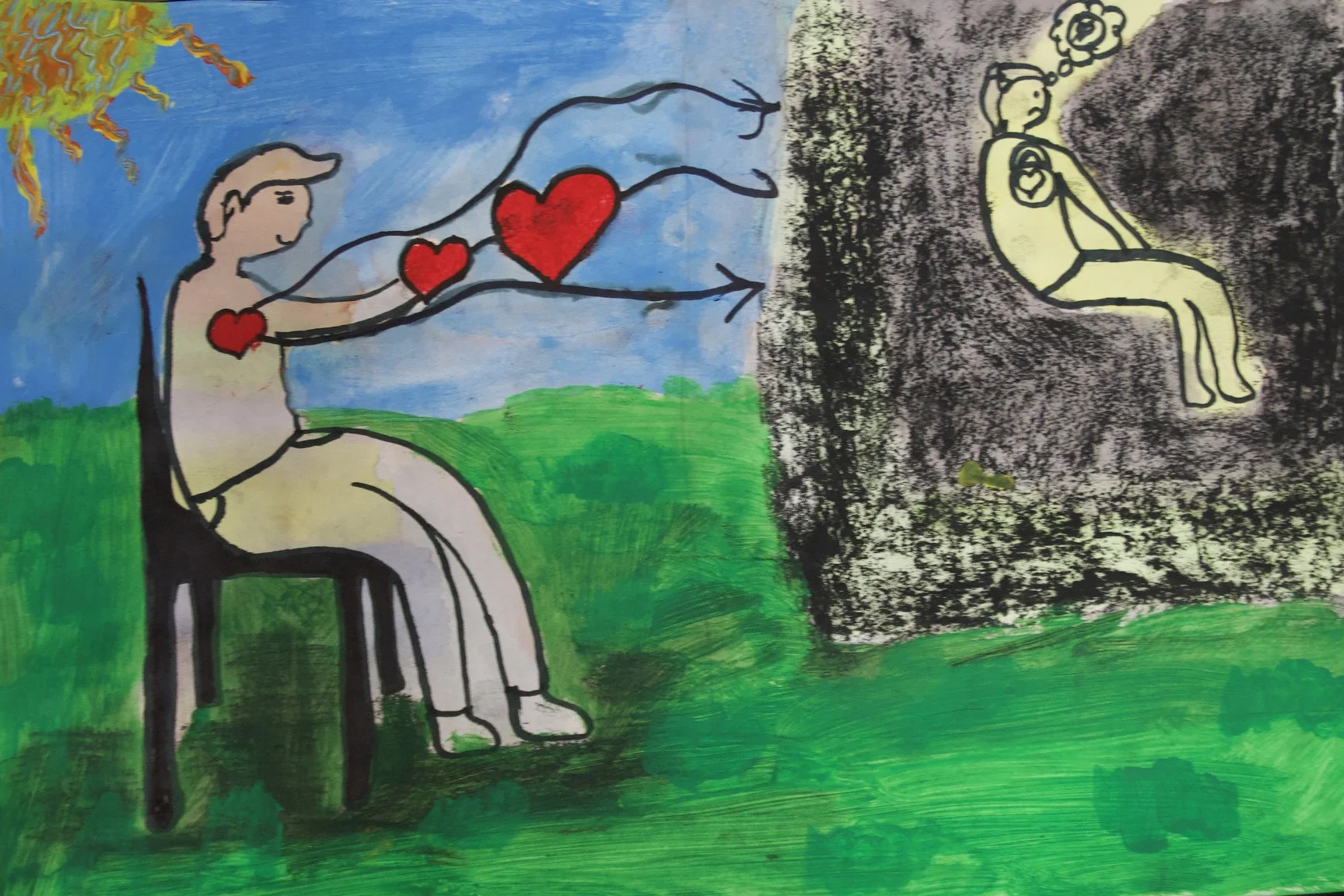
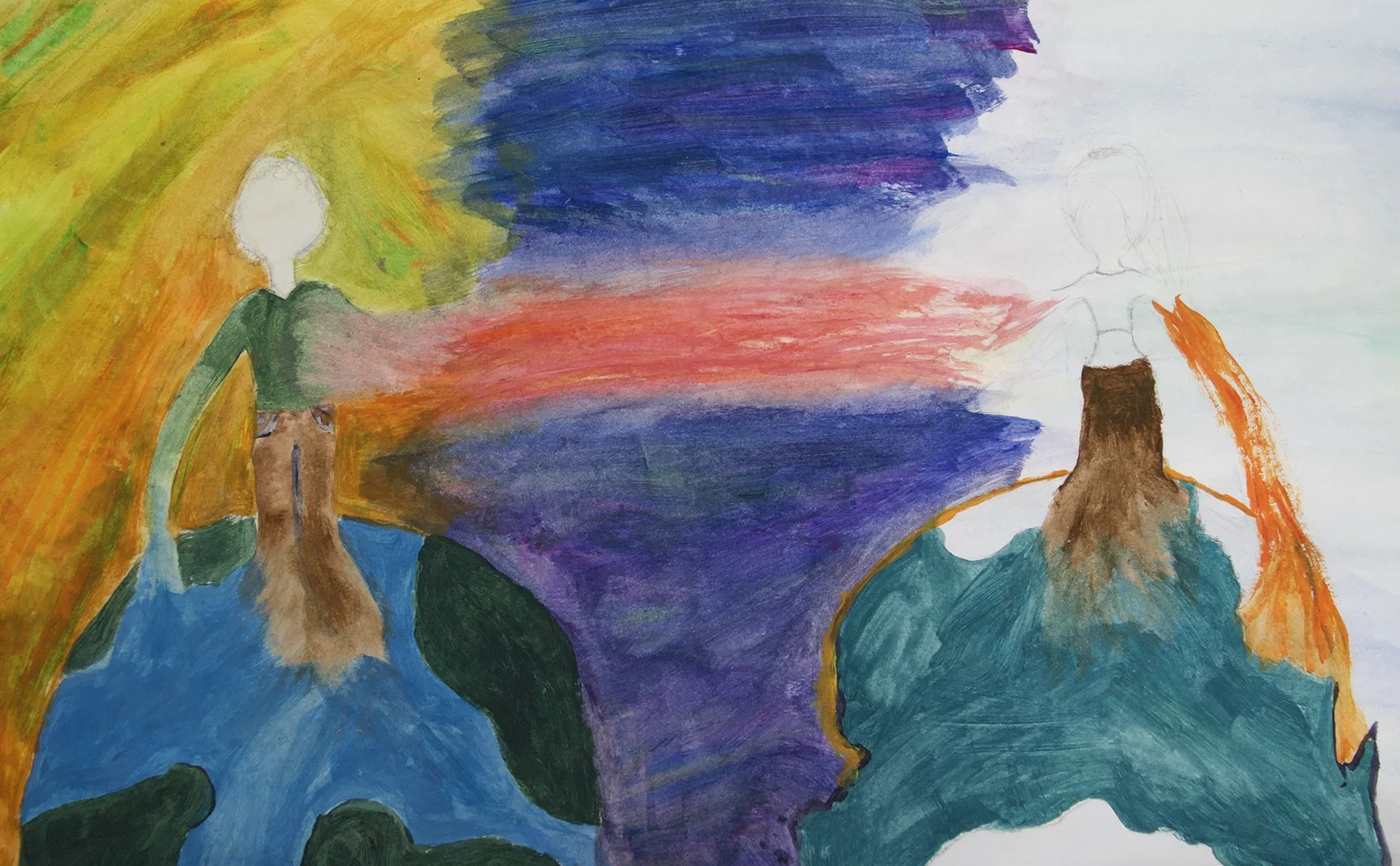
Conversation Pieces: Students were challenged to convey an emotional interaction between two people using images alone. They layered water color, markers, and oil pastels to tell their stories.
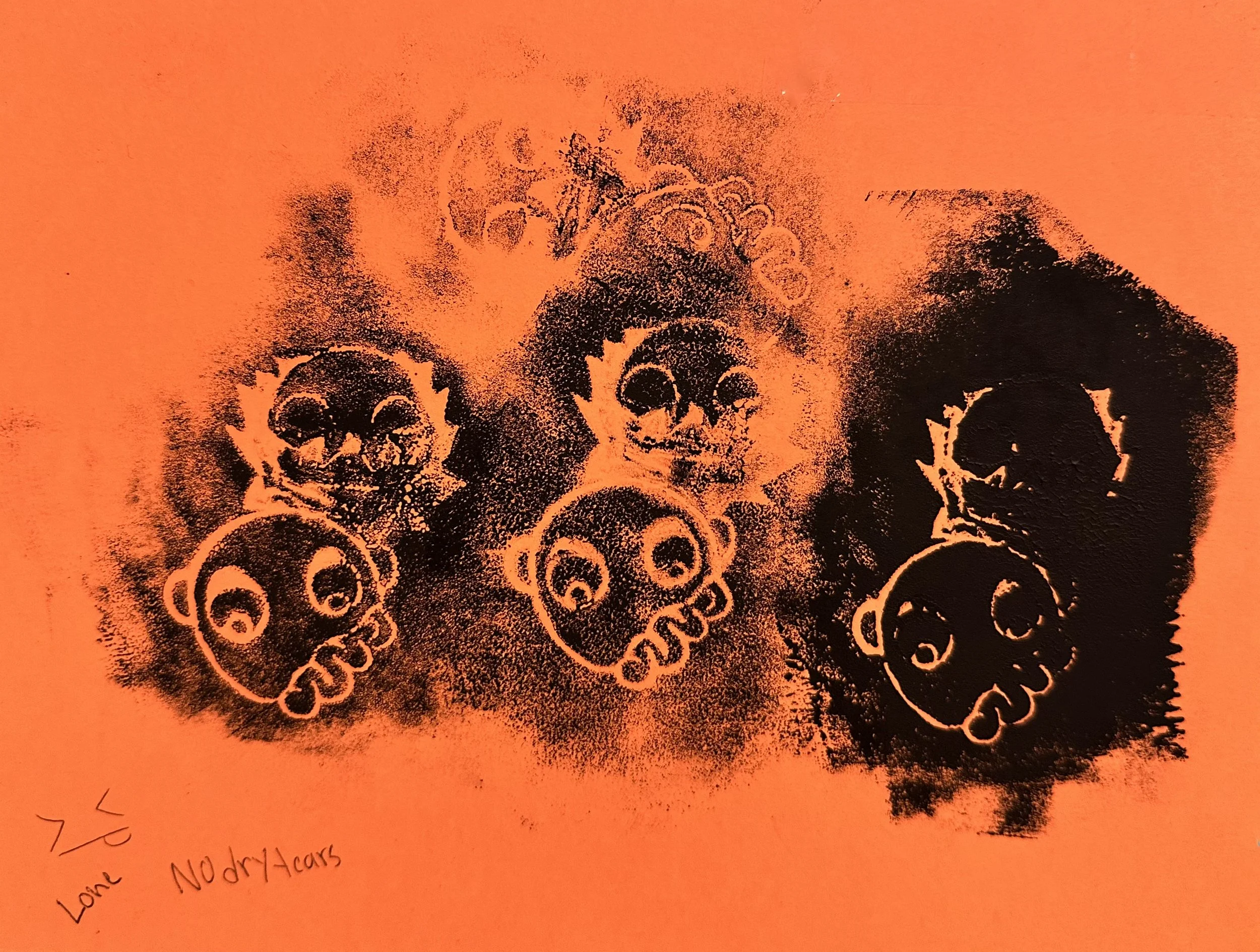
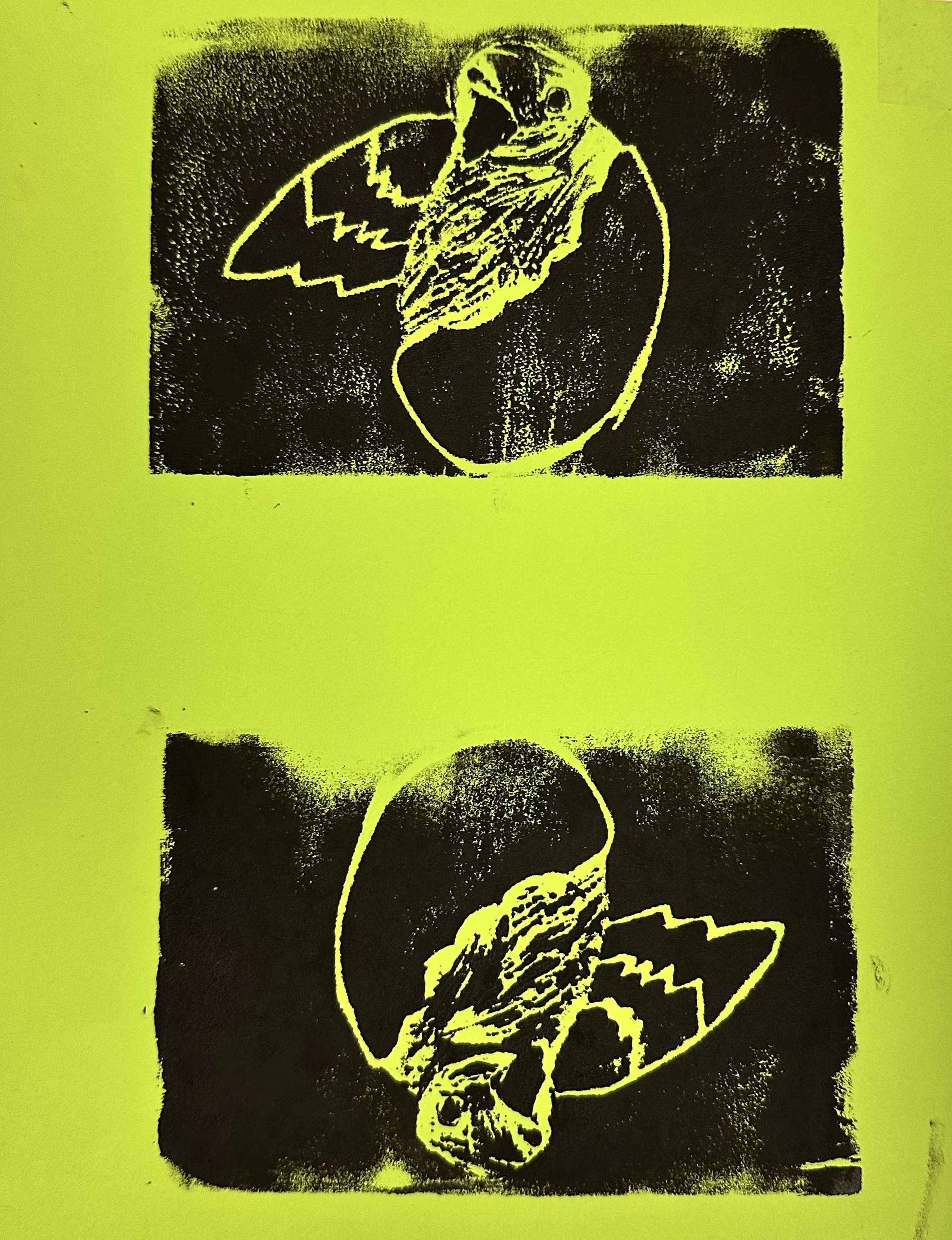
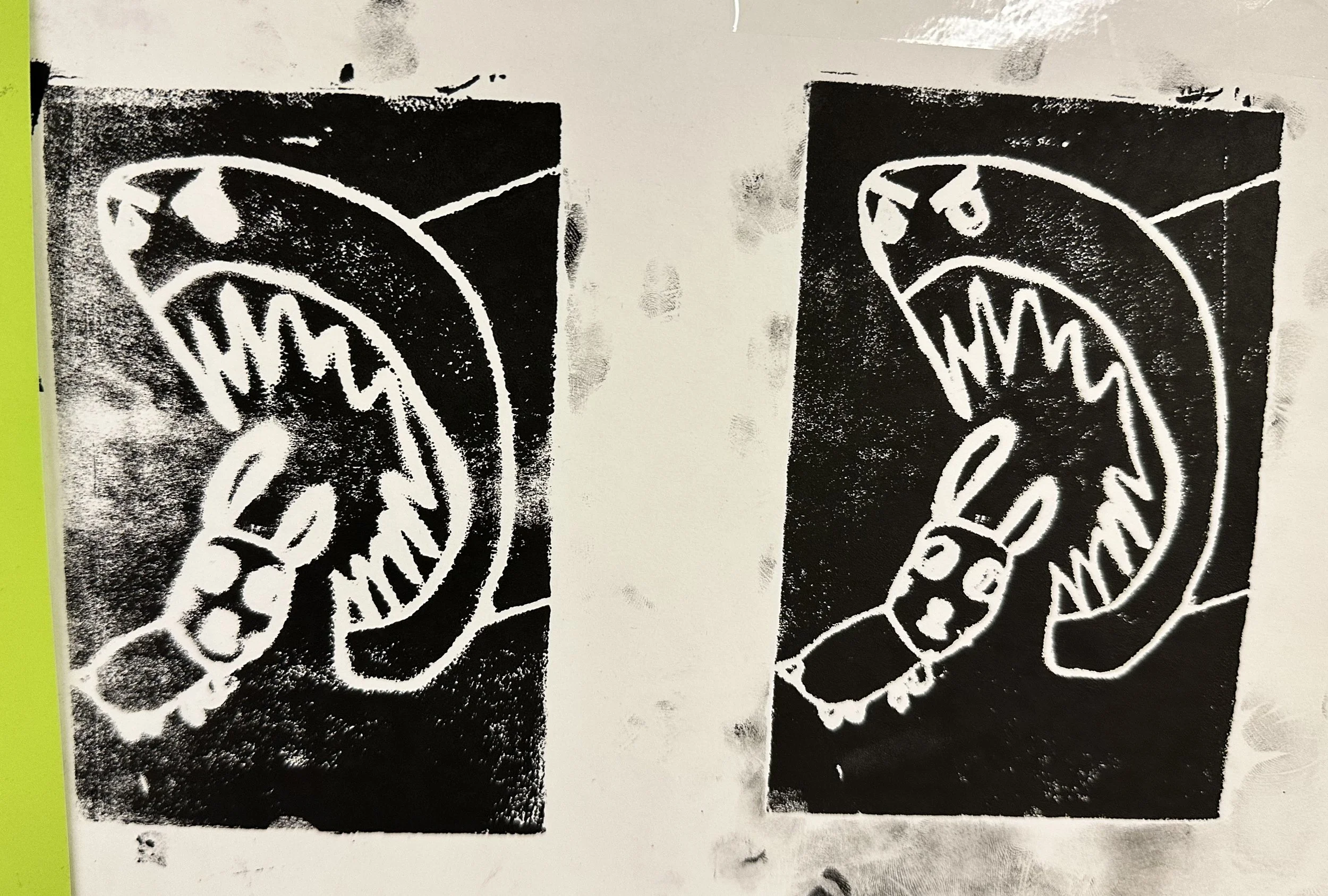
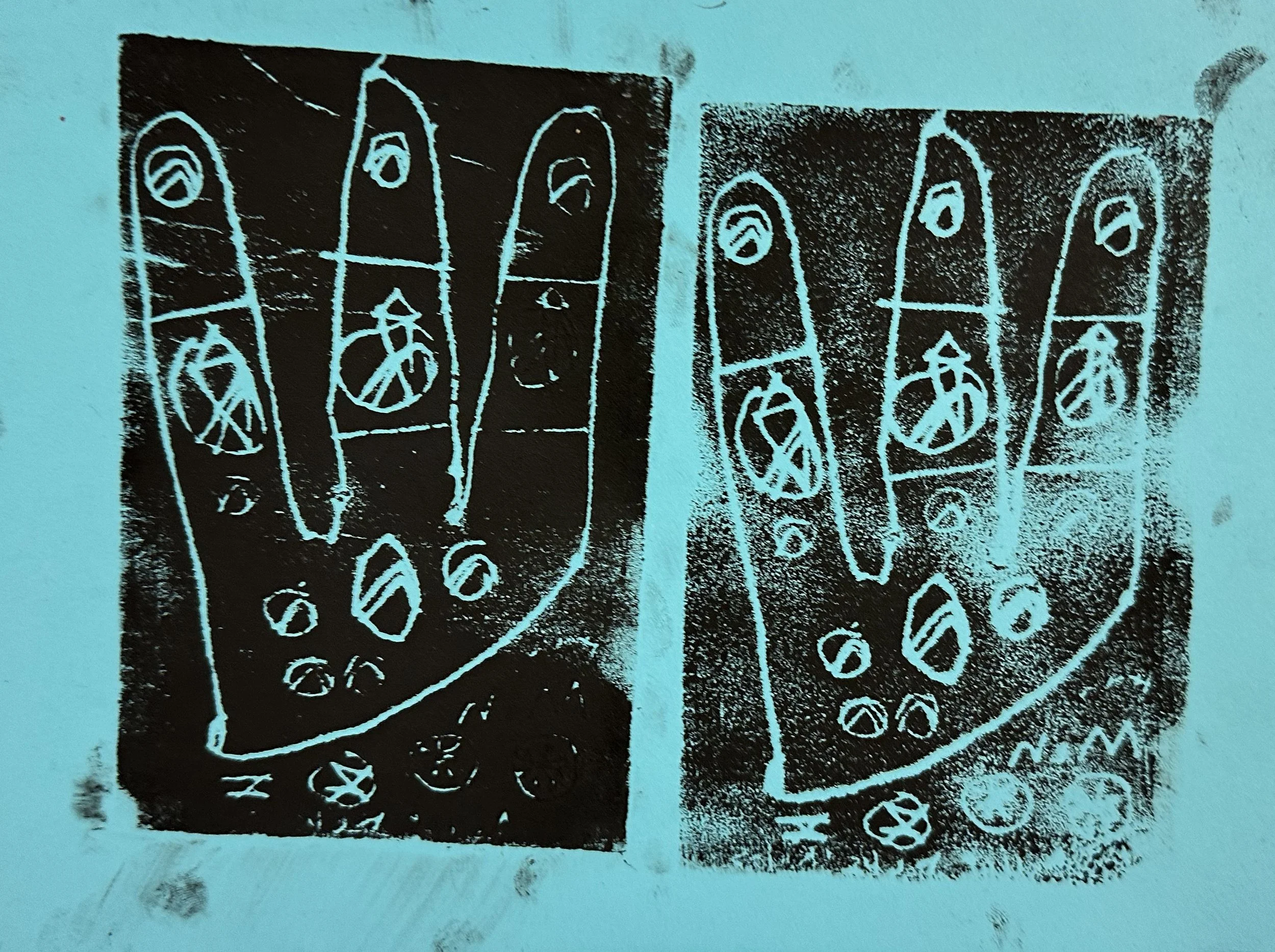
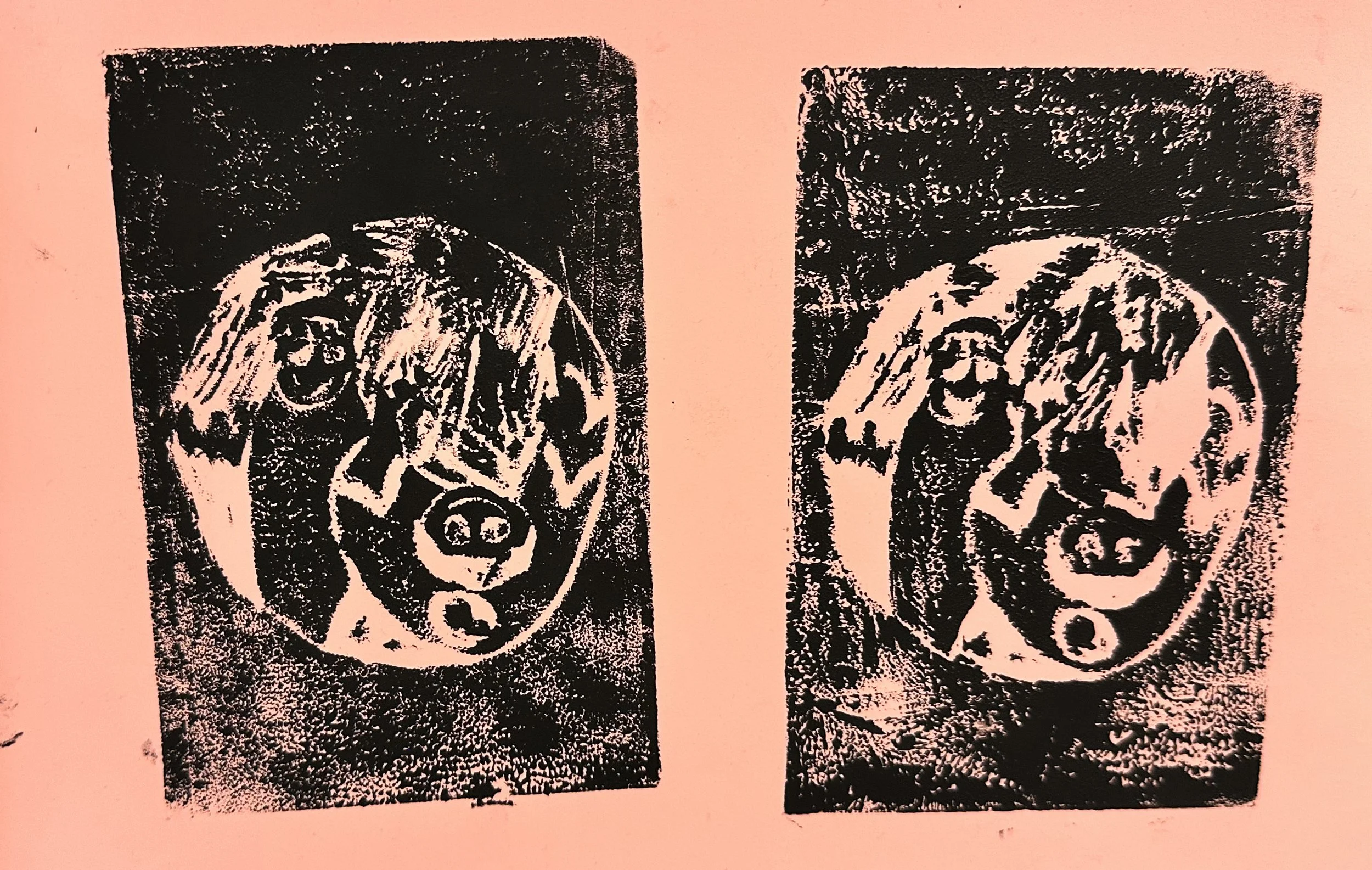
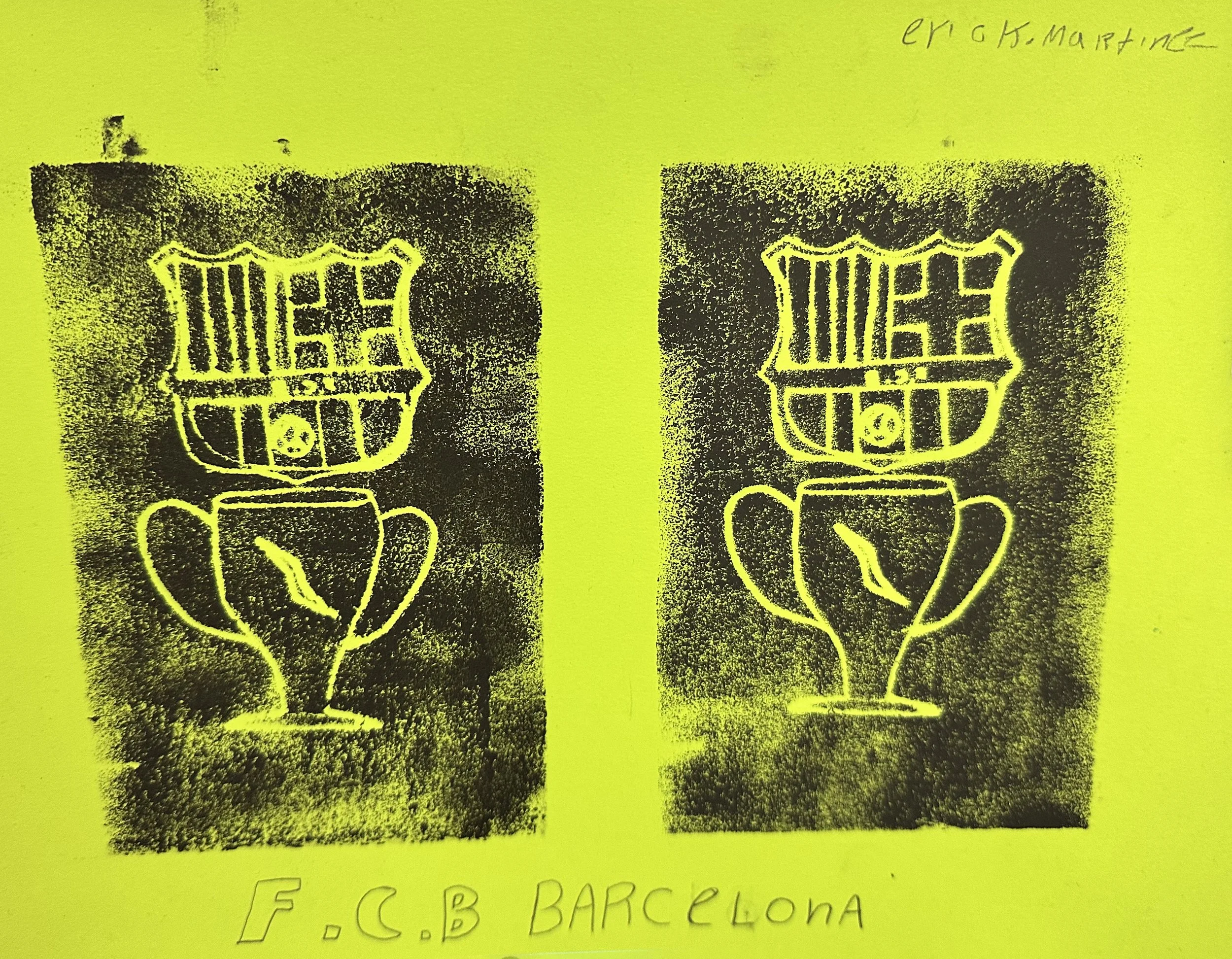
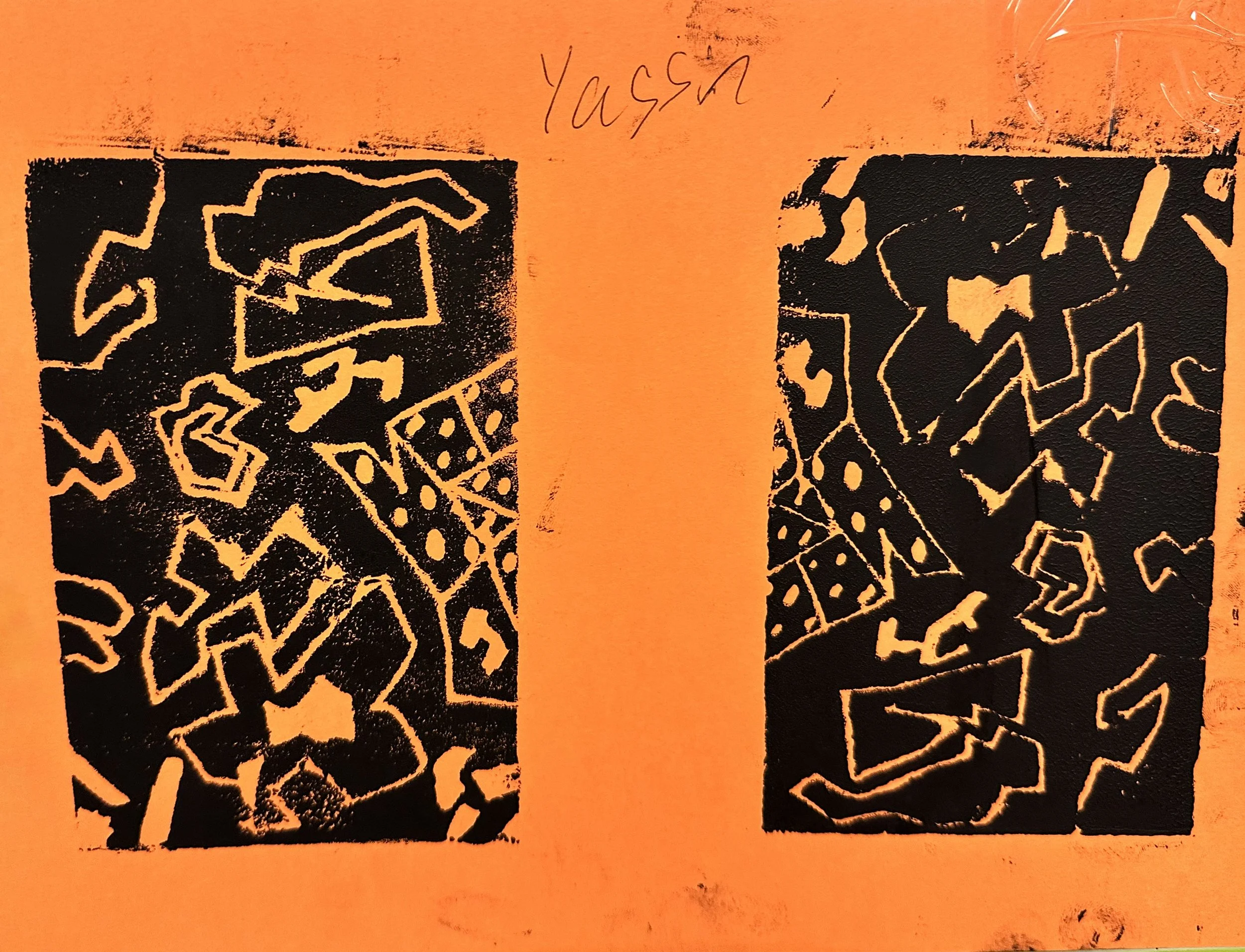
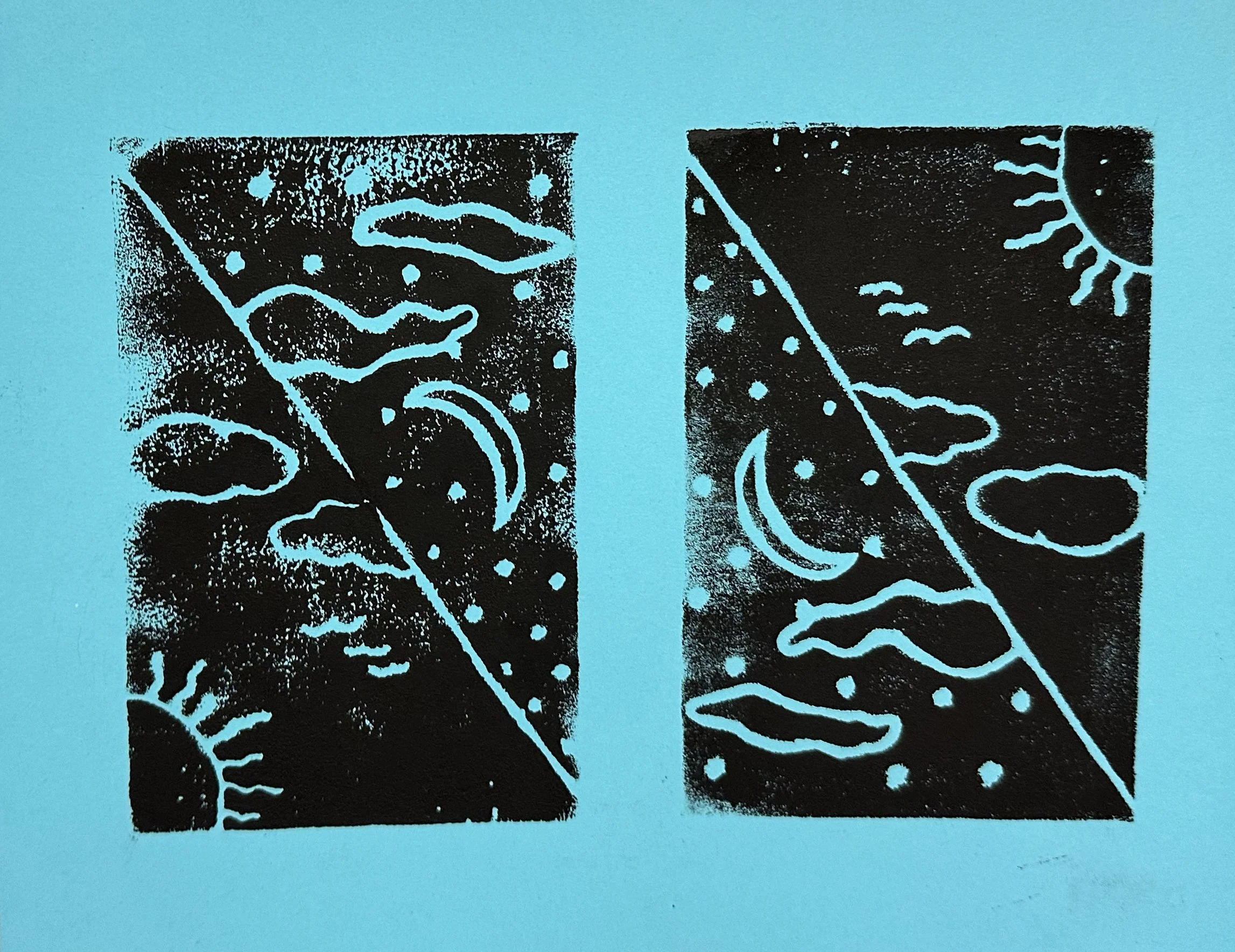
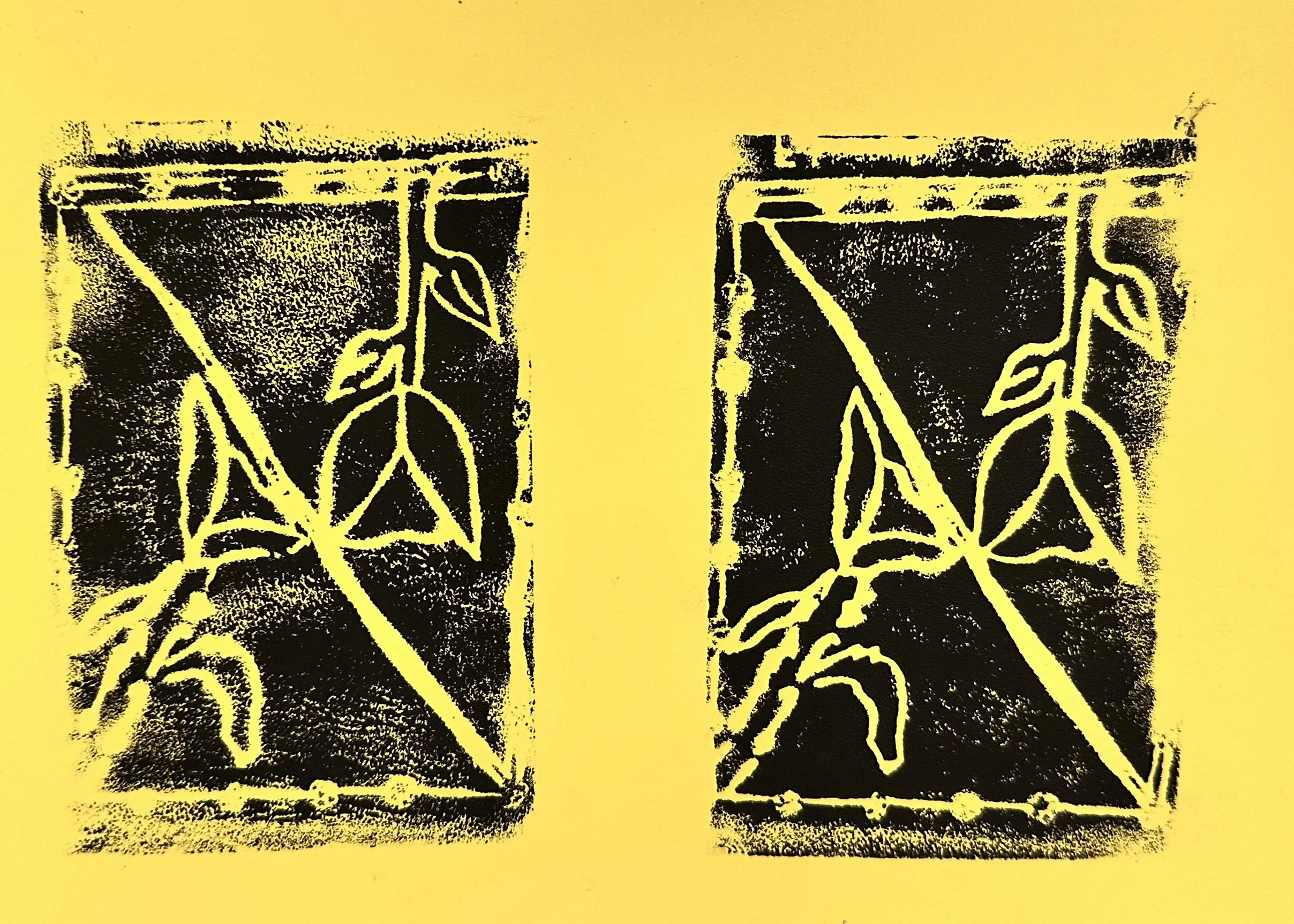
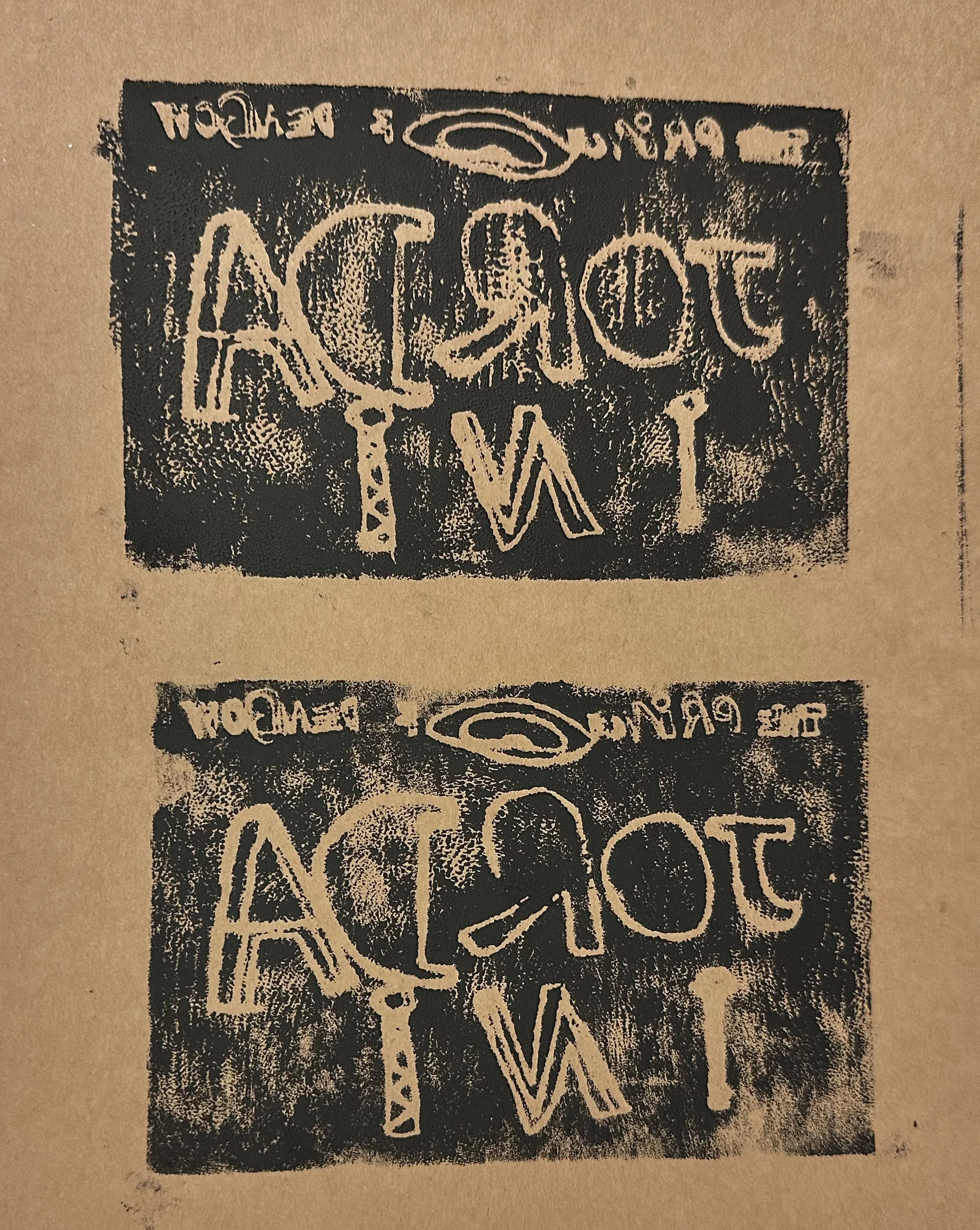
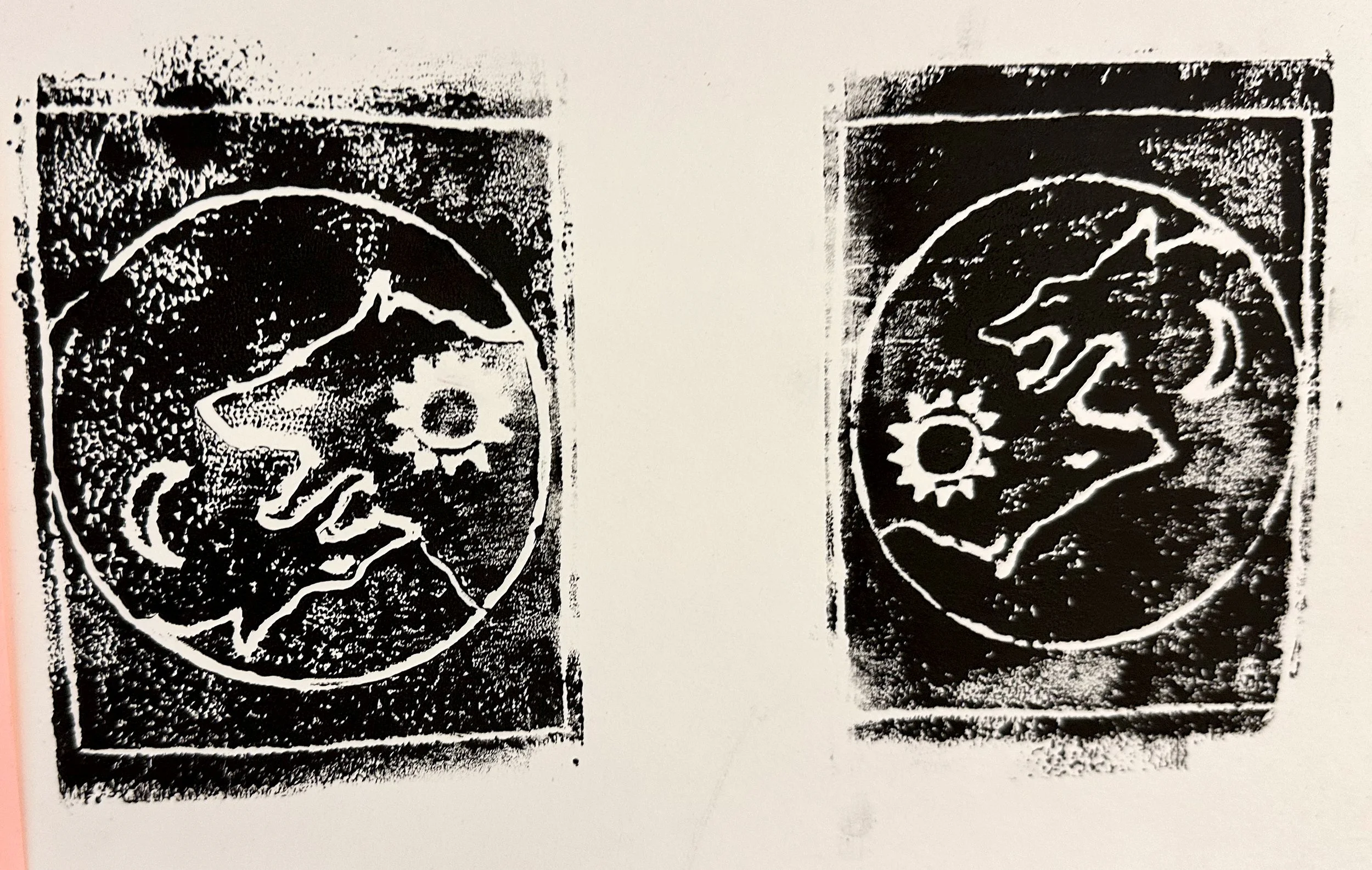
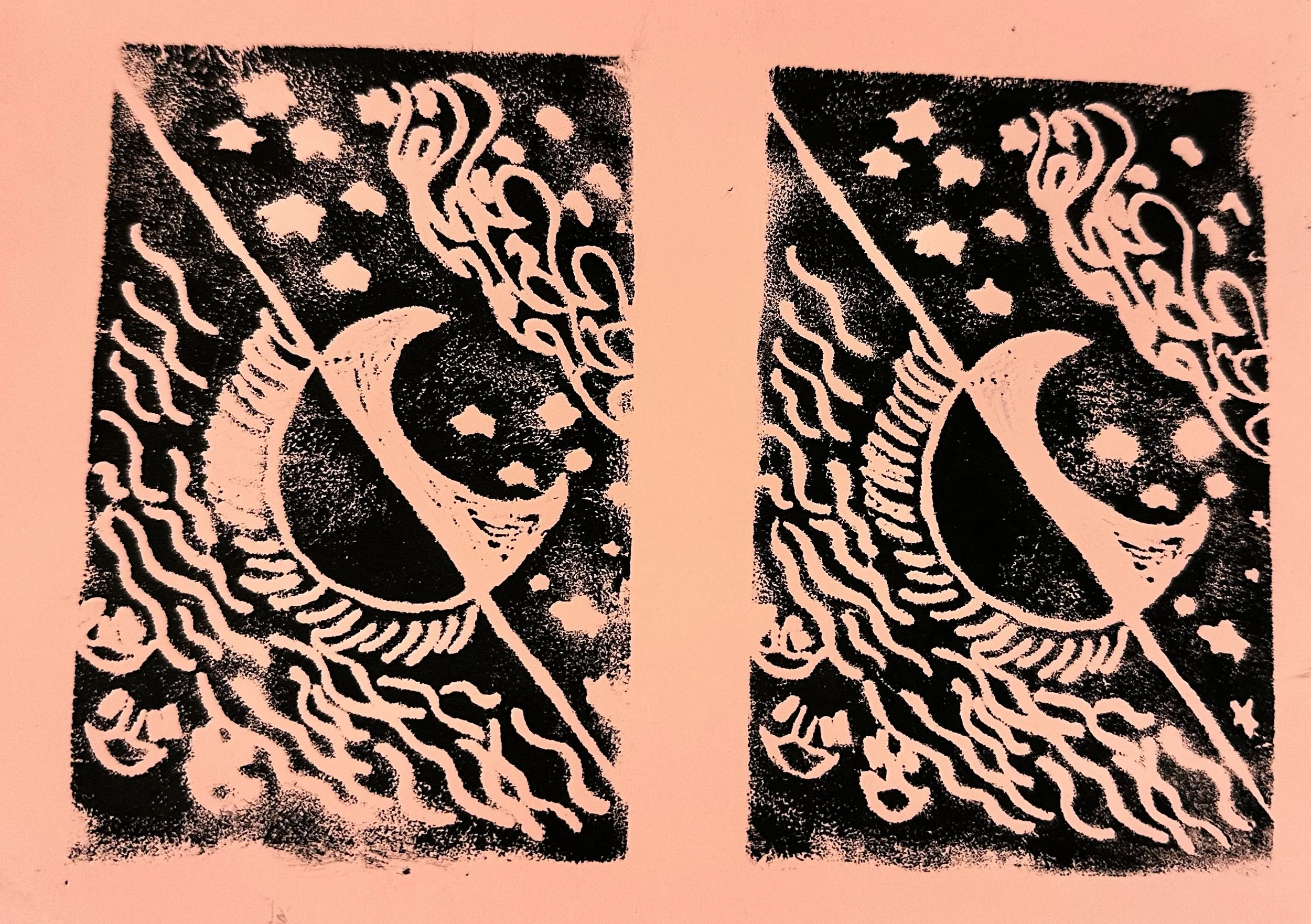
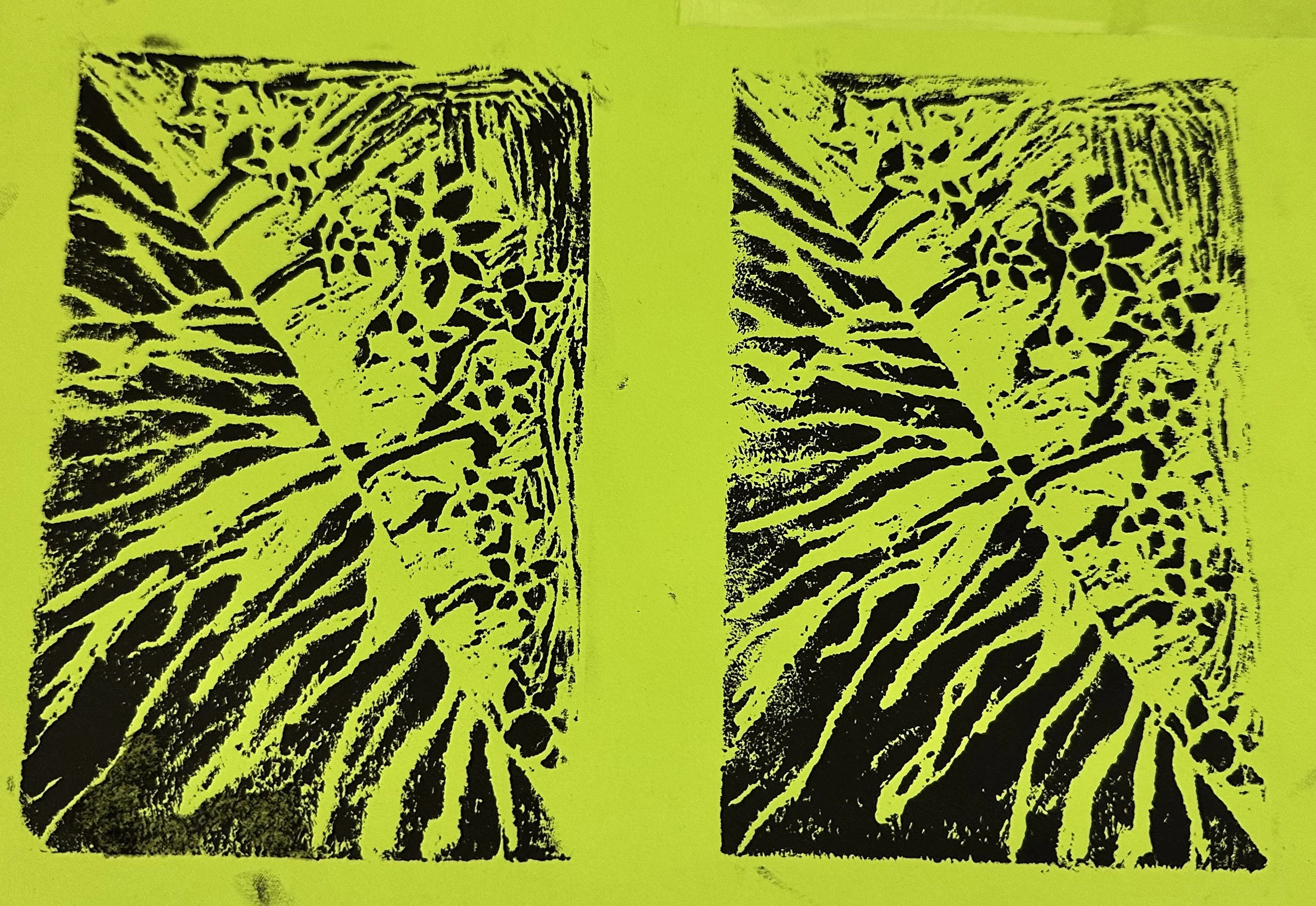
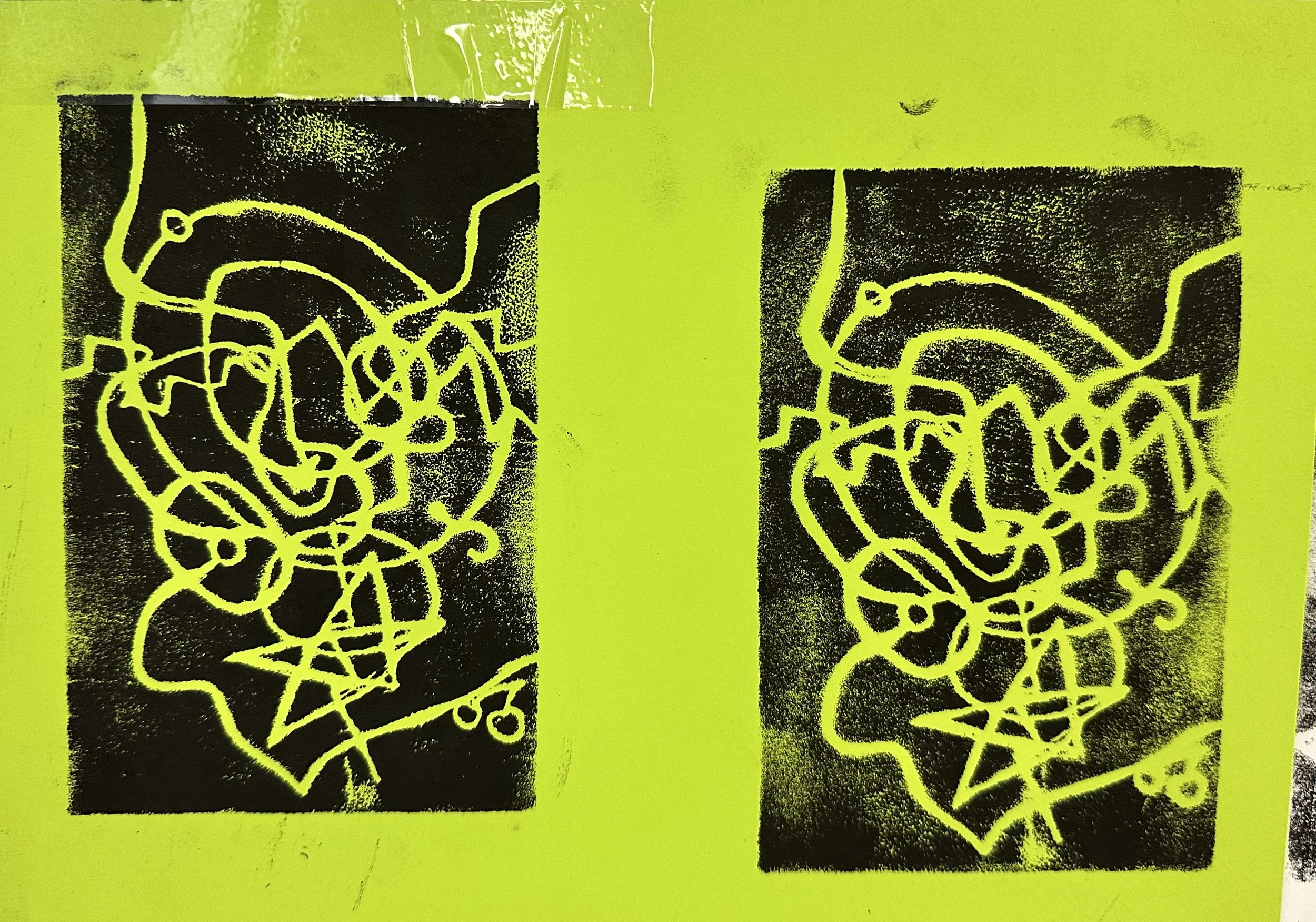
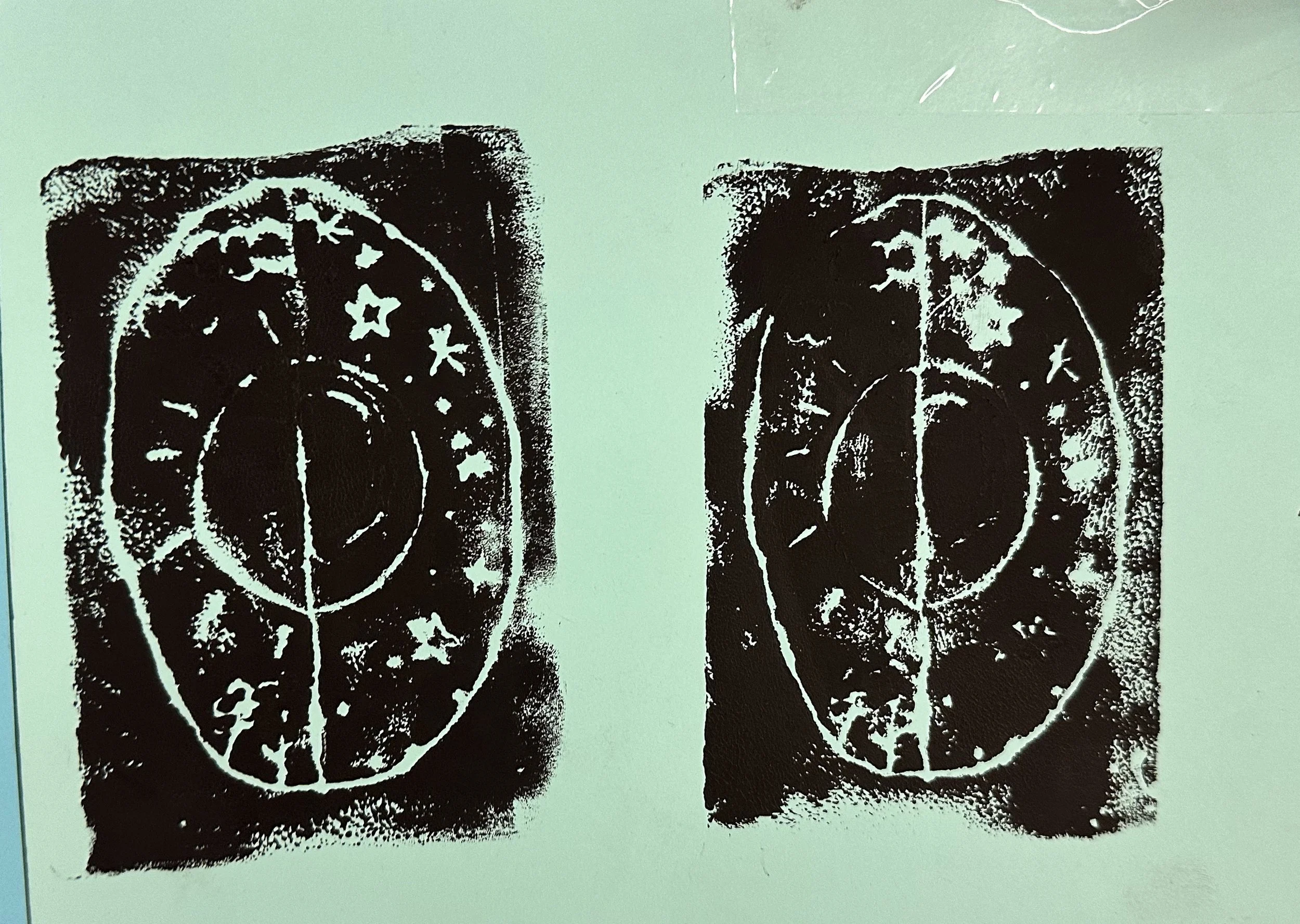
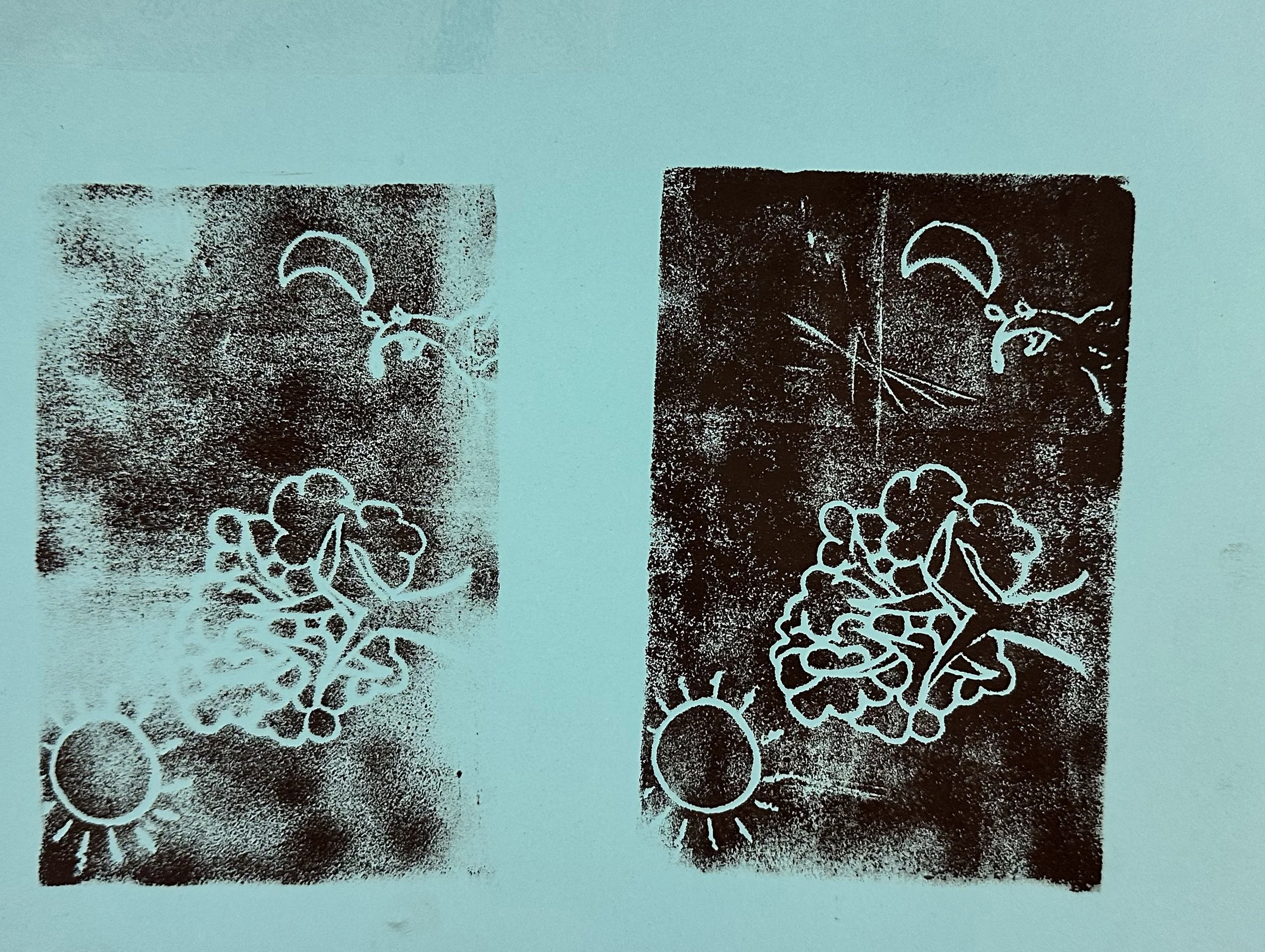
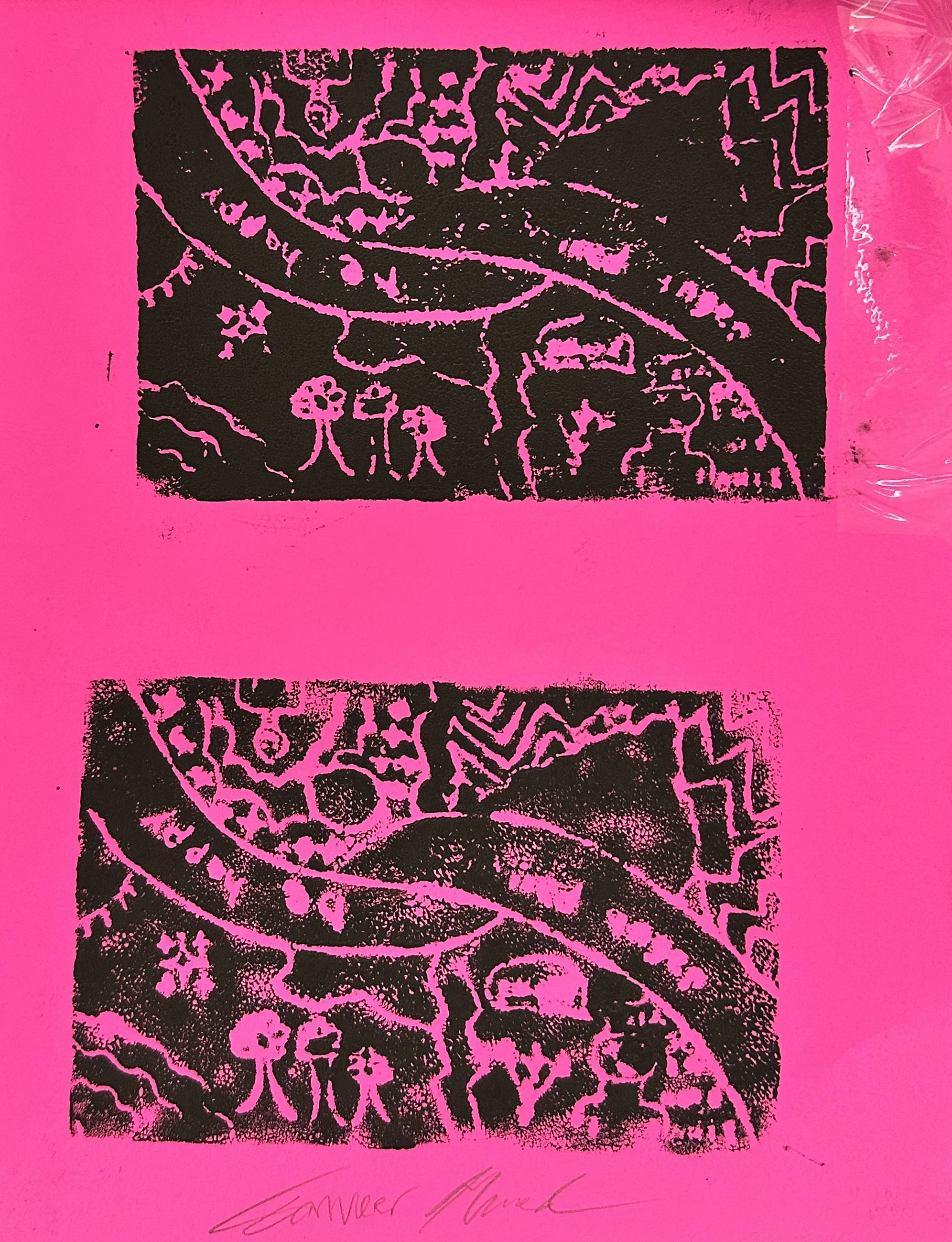
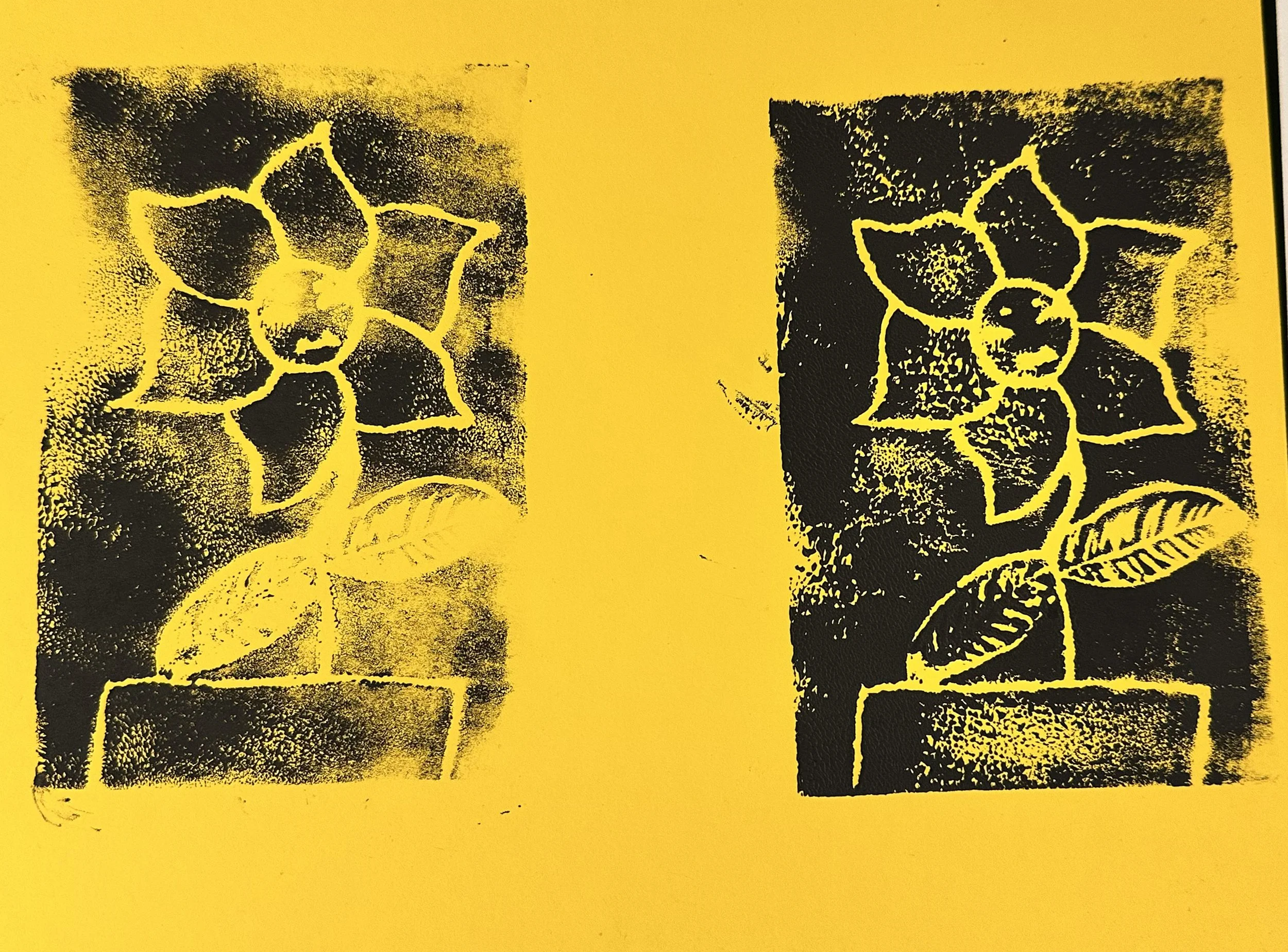
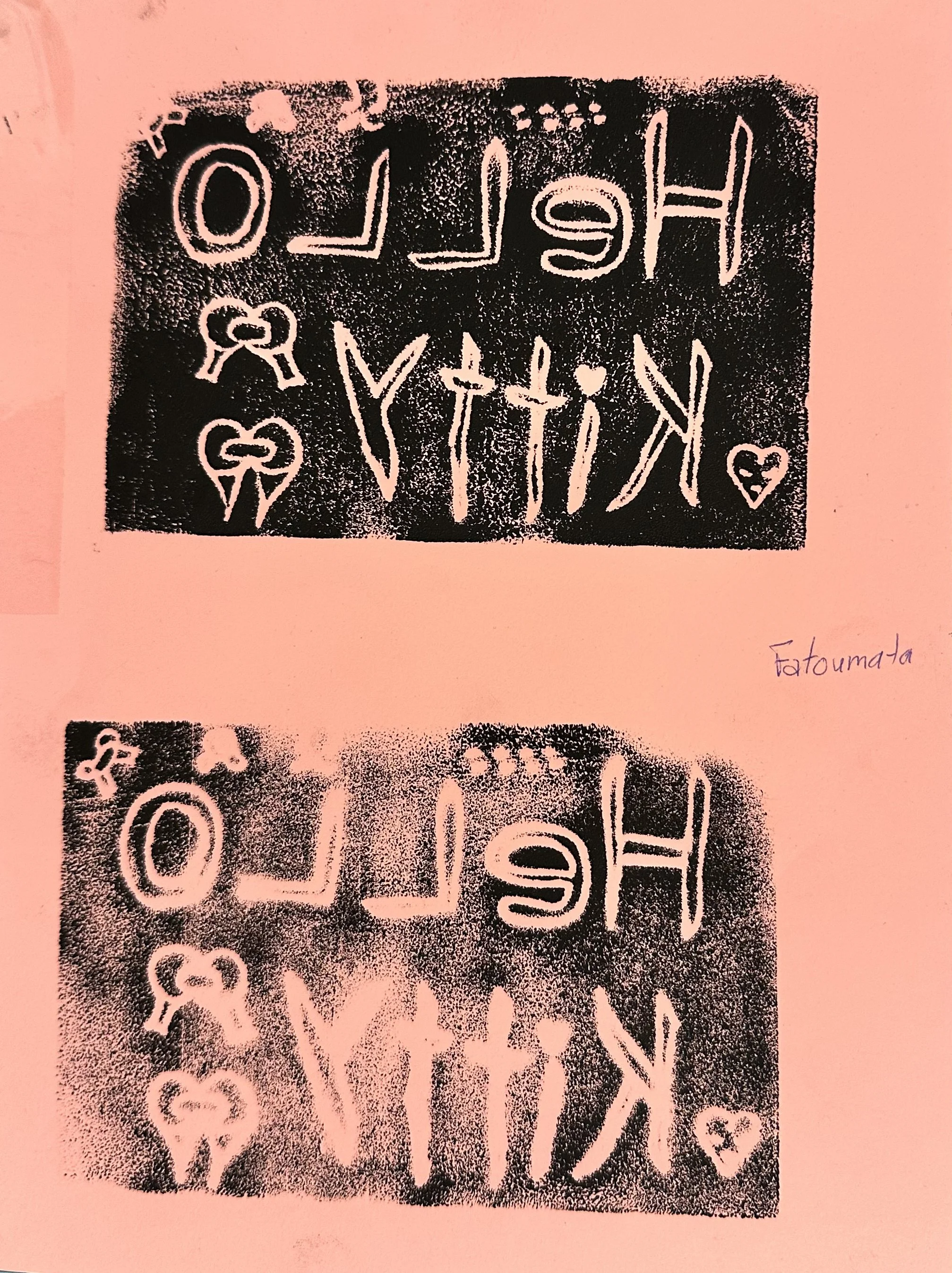
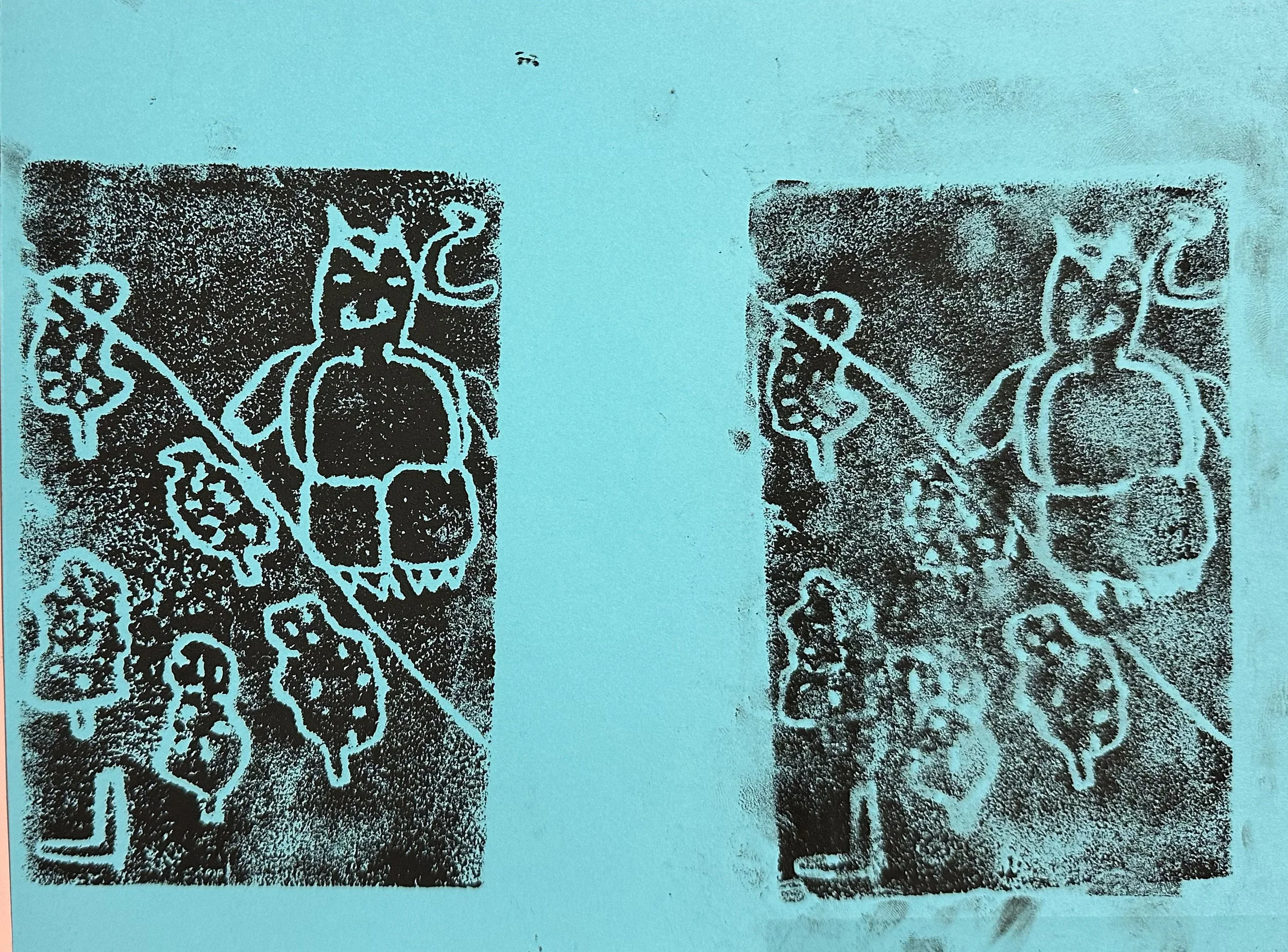
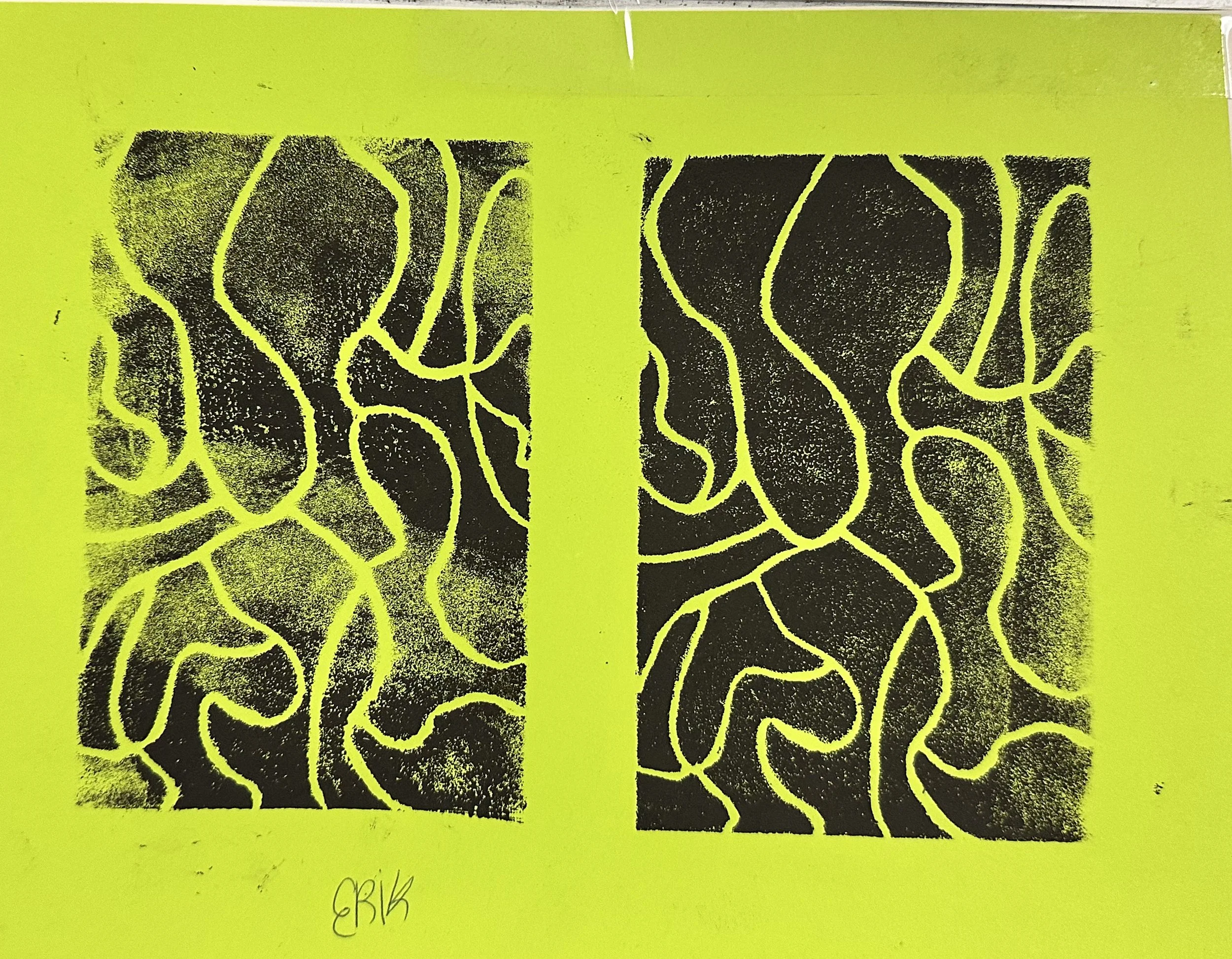
Foam Plate Prints: Students chose two contrasting elements to explore. Some choose contrasting symbols or subjects, such as day vs. night or life vs. death, or a bunny vs. a shark. Others found ways to show opposition through design elements, such as symmetry or composition.
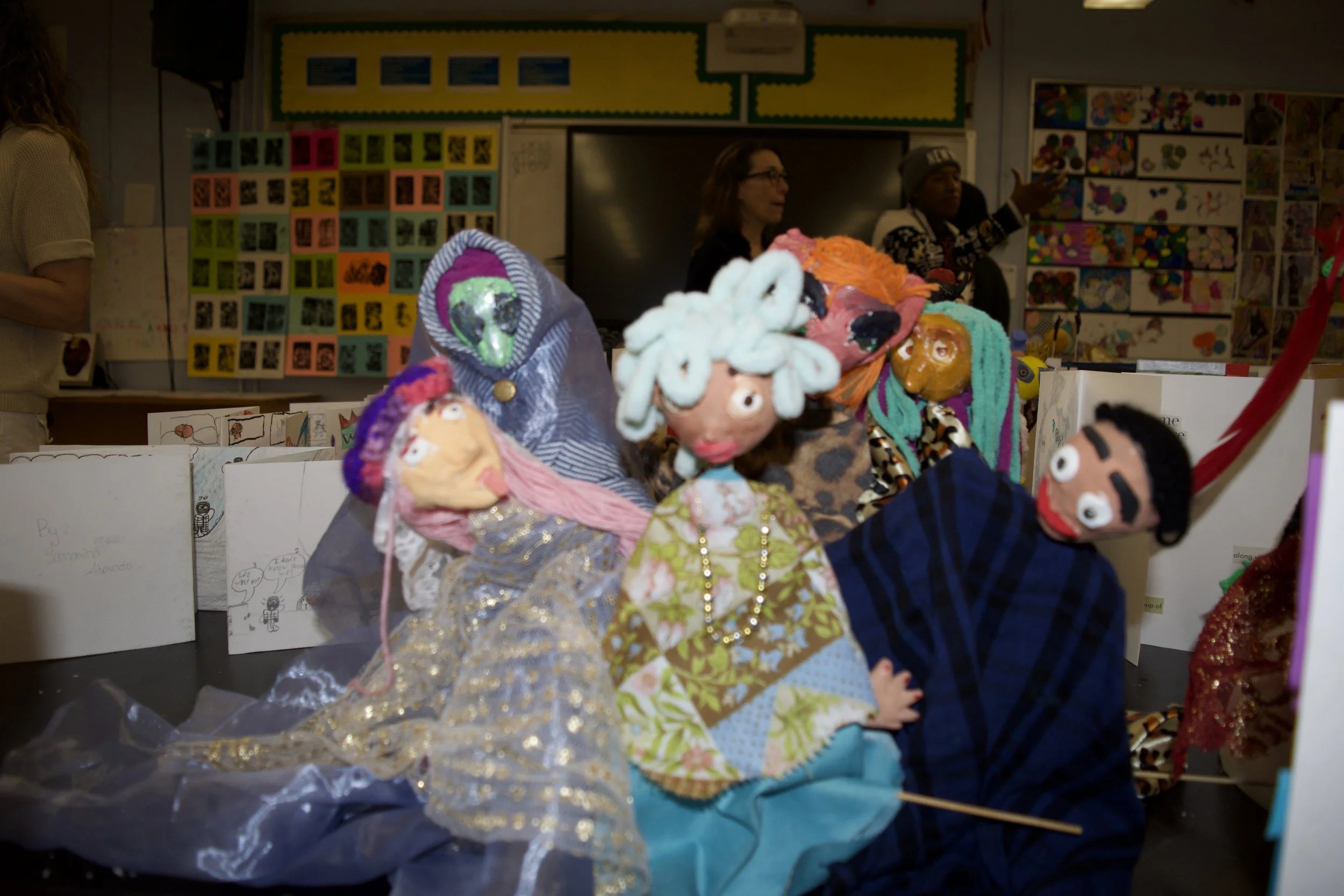
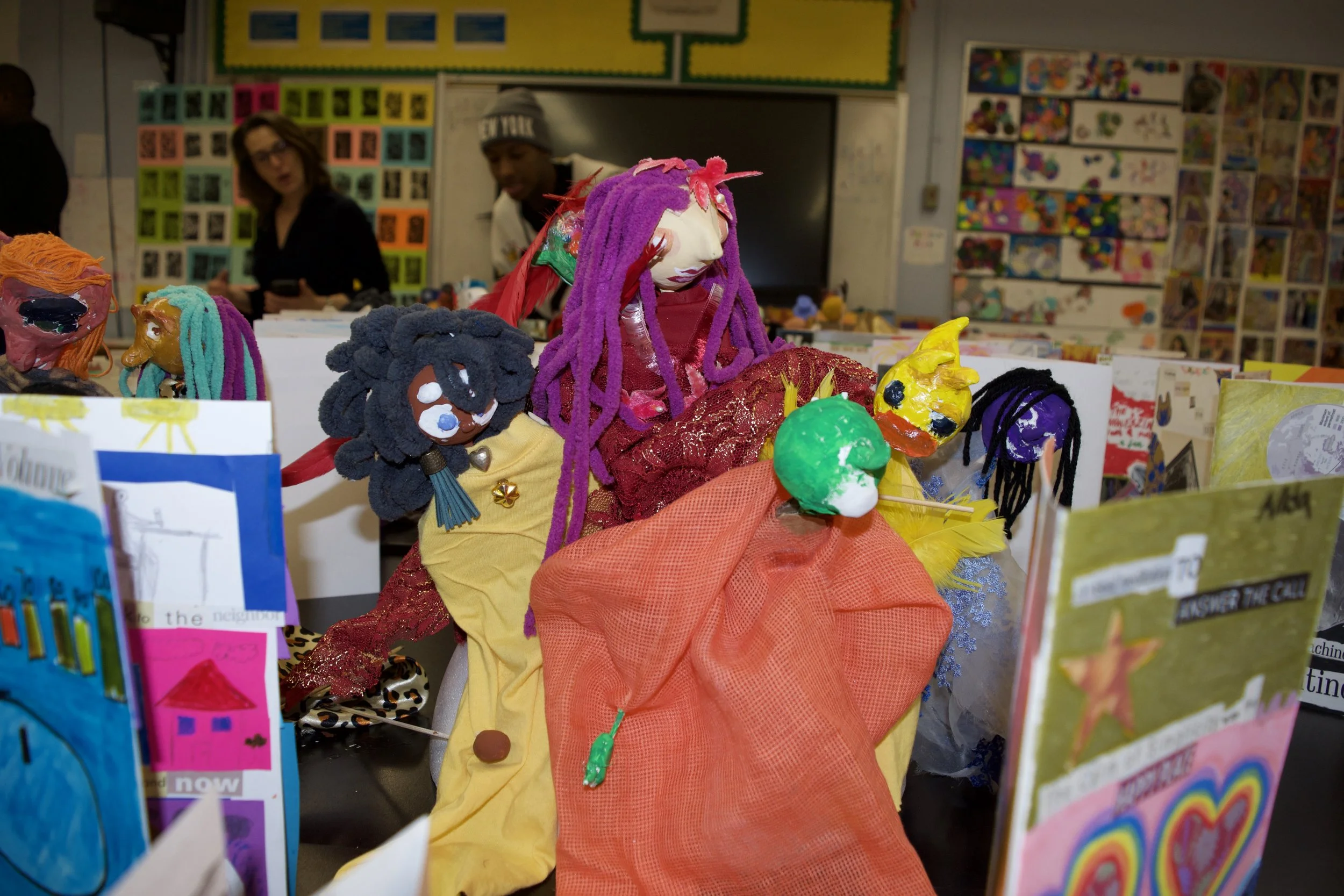
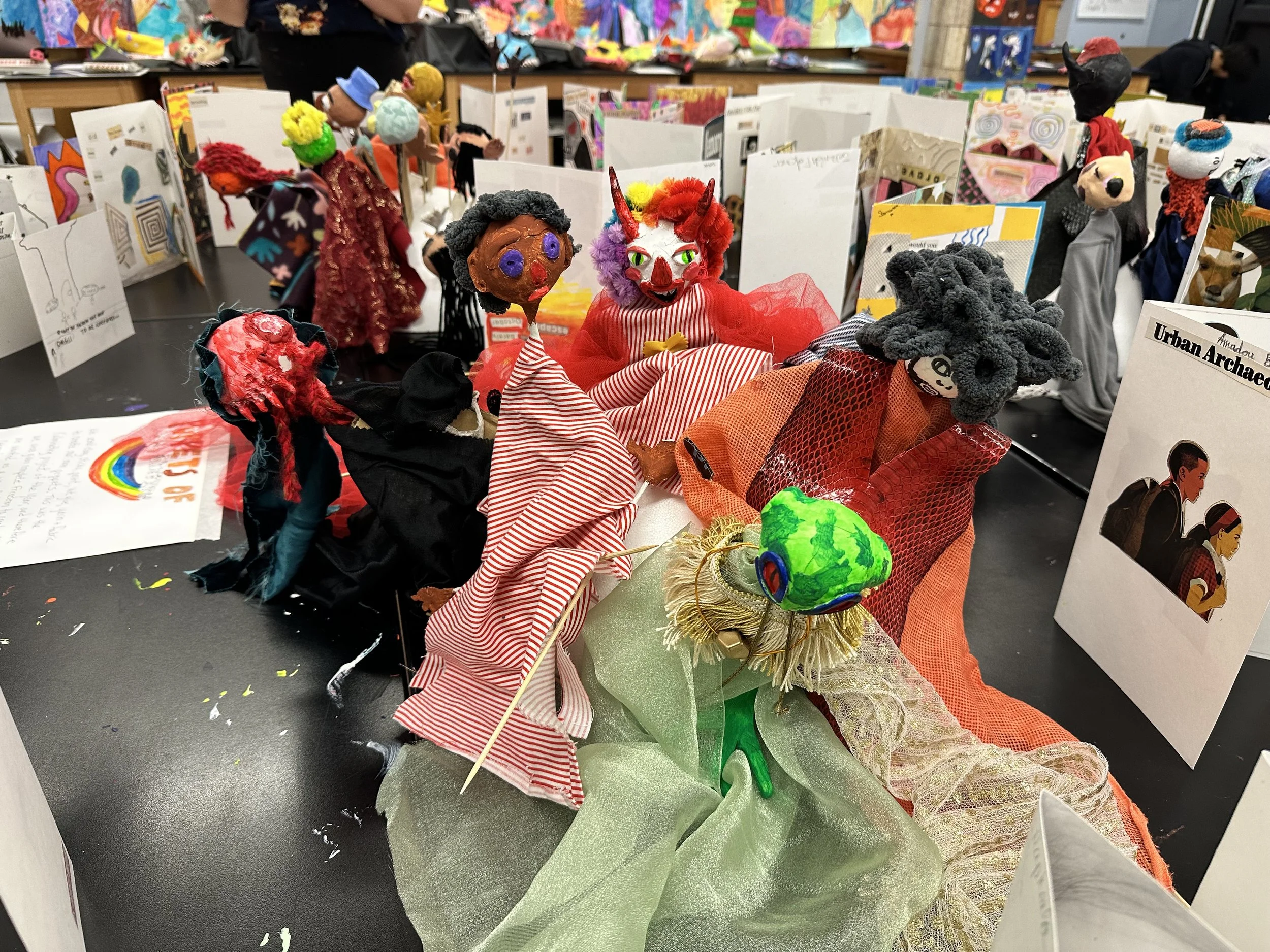
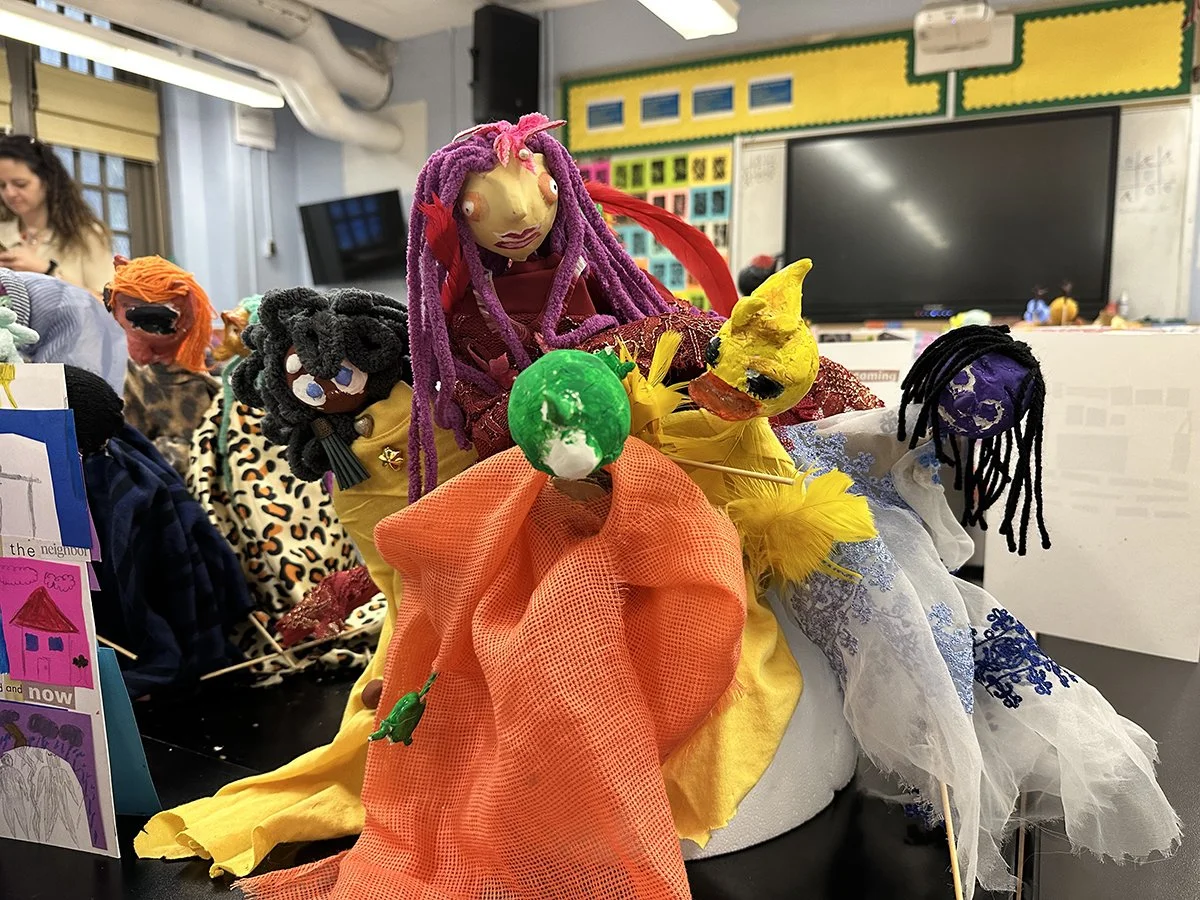
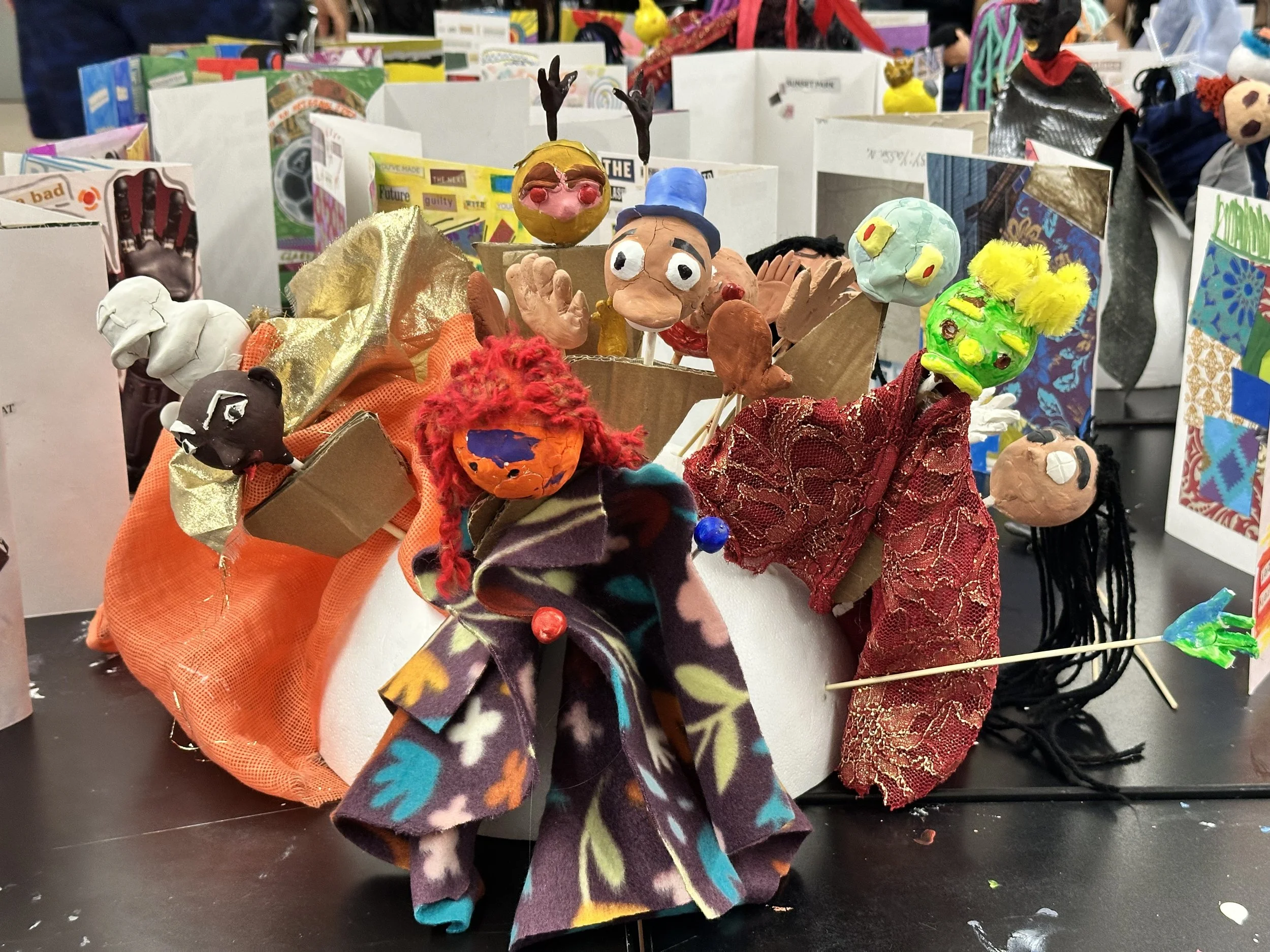
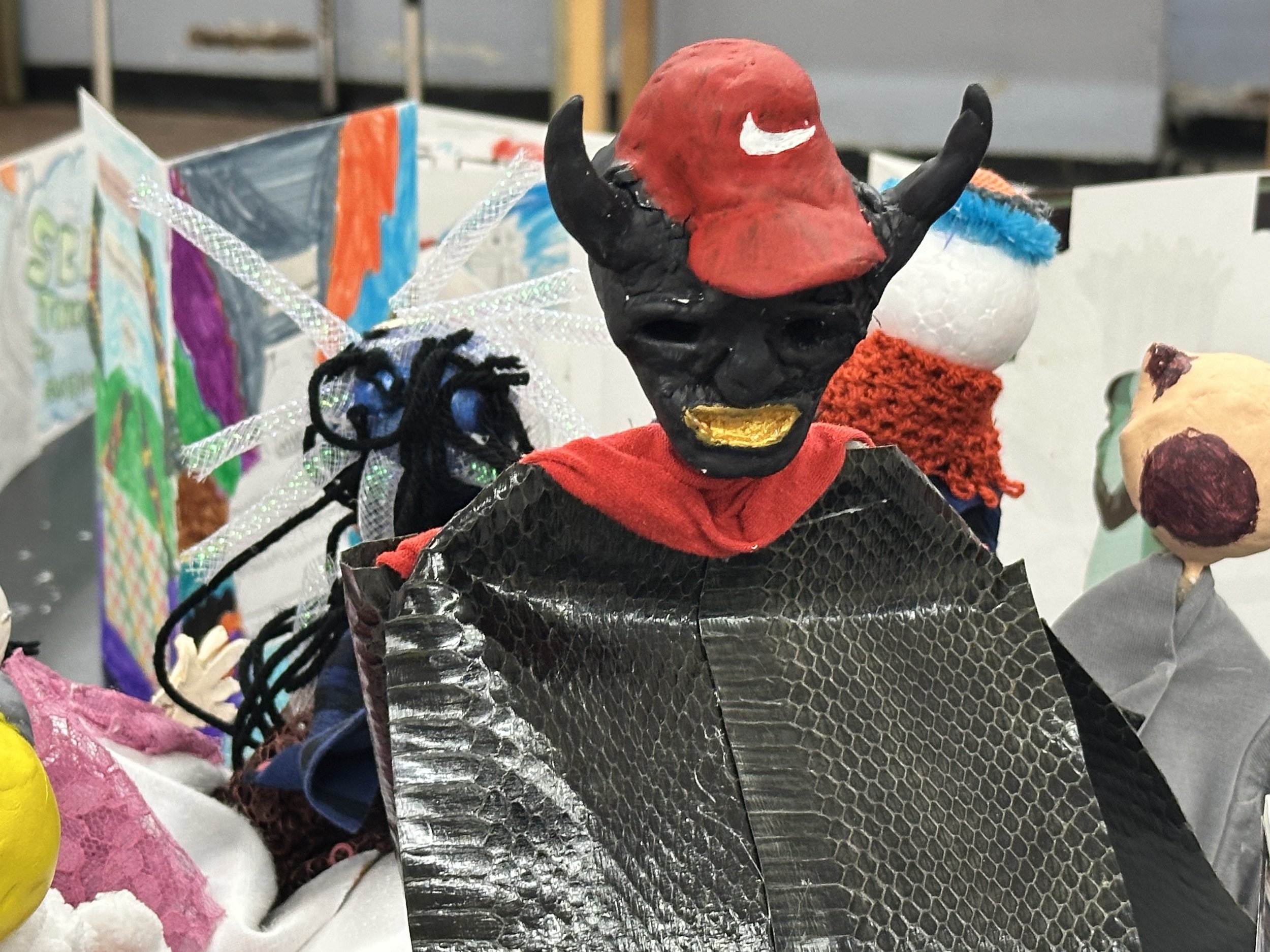
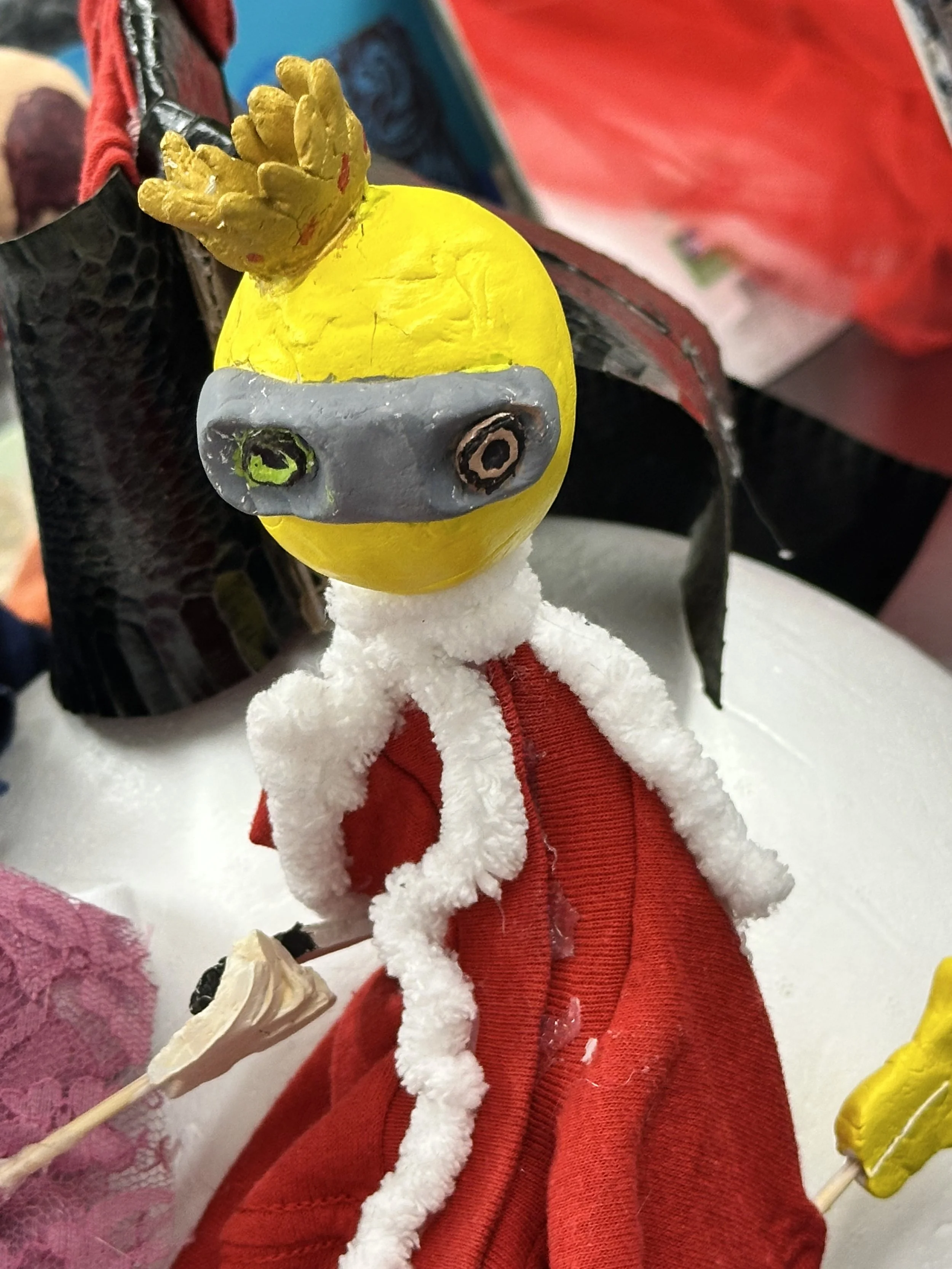
Puppets of Imagination: As the culminating project of the year, students were given complete artistic freedom to make whatever character they chose using any of the techniques they had explored in the previous two semesters. Materials included clay, sticks, fabric, yarn, hot glue and paint. The cast of characters included devils, divas and ducks. Kings, clowns, and cats. The end result was a tour-de-force of creativity.
Teaching Staff
Abby Walsh
CAW Teaching Artist
Riki Sabel
Senior Manager of Teaching and Learning

Creative Art Works’ school-based programs are made possible by the New York State Council on the Arts with the support of the Office of the Governor and the New York State Legislature. Creative Art Works’ in-school programs also receive support from the Cornelia T. Bailey Foundation.